

Key Takeaways
- Explore dental schools and community health centers for cost-effective implant procedures.
- Consider alternative implant options, such as mini implants and implant-supported bridges.
- Investigate financing plans and dental savings programs to manage expenses.
- Research dental tourism carefully if considering treatment abroad.
Dental implants are widely regarded as one of the best solutions for replacing missing teeth, offering unmatched durability and a natural appearance. Despite these advantages, one of the most common concerns among patients is the high price tag associated with dental implant procedures. Fortunately, there are several ways to access quality dental implants at reduced rates, whether through local options or innovative alternatives like full mouth dental implant cost Dallas, TX. These solutions focus on lowering costs without sacrificing the quality or longevity of your smile.
From selecting the right type of implant to exploring payment options and utilizing available resources, understanding how to minimize your dental implant expenses is crucial to achieving a healthy and confident smile. By researching dental schools, community health centers, and various financing plans, as well as considering options like dental tourism, almost anyone can find a budget-friendly path to dental implants.
Understanding Dental Implant Costs
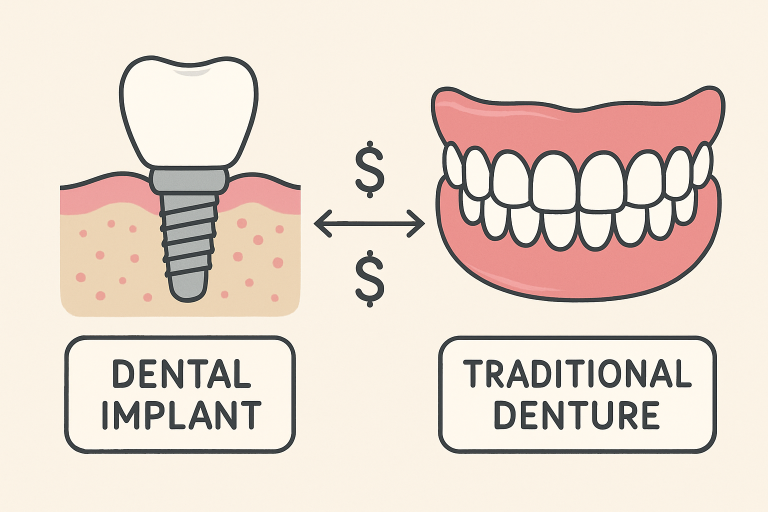
The price of dental implants varies significantly by location, type of procedure, and the specific materials used. In the U.S., a single tooth implant can range from $3,000 to $6,000, while more comprehensive options such as the “All-on-4” full arch replacement can exceed $15,000 to $30,000 per arch. These amounts may make implants seem out of reach for many, but knowing what drives these costs can help you find savings opportunities.
It’s essential to note that the total cost encompasses the implant post, abutment, crown, diagnostic work, and occasionally, bone grafting or extractions.
Exploring Affordable Alternatives
Several options can reduce dental implant costs and still provide strong, lasting results:
- Mini Dental Implants (MDIs): These smaller implants are ideal for patients with limited bone density or for stabilizing dentures. Their less invasive placement often means faster healing and lower costs, making them a popular, budget-conscious choice.
- Implant-Supported Bridges: Instead of using an implant for every missing tooth, a bridge can be anchored by fewer implants, thereby replacing multiple teeth at a reduced cost per tooth.
- Snap-In Dentures: Combining the affordability of traditional dentures with the security of implants, snap-in dentures offer an appealing option for those seeking enhanced comfort without the high price tag of full-arch implants.
Leveraging Dental Schools and Community Health Centers
One practical way to reduce costs is to seek treatment at dental schools, where supervised students provide care at a fraction of standard rates. These clinics offer high-quality work overseen by licensed instructors, ensuring safety and efficacy. Community health centers and nonprofit dental clinics are also valuable resources, frequently providing sliding-scale fees based on your income.
For people in need of ongoing or emergency dental care, these clinics help make implant procedures and general oral health significantly more affordable.
Financing and Savings Plans
When upfront payments aren’t an option, many dental offices partner with third-party financing companies to offer affordable payment plans, sometimes with little or no interest. Popular providers let patients finance their dental procedures and repay the costs over manageable periods.
Dental savings plans are another cost-effective alternative to traditional insurance. For an annual membership fee, these programs offer reduced rates on various dental procedures, including implants, from a network of participating dentists. This can offer considerable long-term savings and easier access to complex treatments.
Considering Dental Tourism
Dental tourism – traveling abroad for dental procedures – is gaining popularity due to significant cost differences. Countries such as Mexico, Costa Rica, and Thailand provide high-quality dental care at a fraction of U.S. prices. However, if you consider this route, thoroughly research the clinic’s credentials, surgeon qualifications, reviews, and post-care requirements. Factor in travel costs and the necessity for future adjustments or follow-up care when evaluating overall savings.
Utilizing Tax-Advantaged Accounts
Another strategy for managing out-of-pocket expenses is to utilize Health Savings Accounts (HSAs) or Flexible Spending Accounts (FSAs). These accounts enable you to pay for qualified medical costs, including dental implants, using pre-tax dollars. Contributing to an HSA or FSA helps you save on taxes while setting aside funds for dental care, stretching your budget even further.
Final Thoughts
Dental implants offer more than cosmetic improvement—they are essential for health, function, and quality of life. While they require a significant investment, a wealth of strategies makes them accessible to a broader range of budgets. Exploring cost-effective alternatives, leveraging community resources, utilizing flexible financing options, and researching treatment abroad can help you restore your smile without financial strain. Speak with a qualified dental professional to determine the best, most cost-efficient approach tailored to your needs and goals.