

Key Takeaways
- Understand the educational and licensure requirements for becoming a Family Nurse Practitioner (FNP).
- Recognize the challenges and rewards associated with the FNP role.
- Explore the diverse career opportunities available to FNPs.
Educational Pathway to Becoming an FNP
Embarking on the journey to become a Family Nurse Practitioner (FNP) begins with obtaining a Bachelor of Science in Nursing (BSN) from an accredited institution. This foundational step prepares future FNPs with essential nursing skills and clinical experience. Afterward, passing the National Council Licensure Examination (NCLEX) is required to become a licensed Registered Nurse (RN). Gaining clinical experience as an RN enables aspiring FNPs to develop practical insights and patient care competencies before pursuing advanced roles and enrolling in online nurse practitioner programs in Florida.
The path to becoming a Family Nurse Practitioner (FNP) involves obtaining a Master of Science in Nursing (MSN) or a Doctor of Nursing Practice (DNP) degree, with a focus on family practice, typically spanning two to three years. Programs integrate advanced coursework with clinical practicum hours, culminating in a national certification exam that leads to licensure. The curriculum, such as the one at St. Thomas University (STU), enhances critical thinking, leadership, and evidence-based skills, covering pharmacology and patient management to ensure high-quality care across diverse populations. Graduate students participate in clinical rotations, gaining exposure to various healthcare settings and mentorship opportunities, addressing the growing demand for advanced practice registered nurses amid complex patient care needs.
Challenges Faced by Aspiring FNPs
Pursuing the FNP career pathway brings significant rewards but also presents notable challenges:
- Educational Investment: Advanced nursing degrees represent a considerable investment of time and financial resources. Many FNP students must balance demanding academic schedules with work and personal responsibilities.
- Emotional Demands: FNPs routinely encounter patients with complex medical needs, often requiring sensitive communication and emotional resilience. Developing coping skills and seeking peer support or professional guidance is essential for maintaining long-term well-being.
- State Practice Restrictions: The Scope of practice for FNPs is regulated at the state level and can vary significantly. In some states, FNPs enjoy full practice authority, while others require physician oversight or limit their prescribing power, which can impact autonomy and practice settings.
Rewards and Opportunities in the FNP Role
Despite the challenges, the FNP profession is gratifying and offers abundant opportunities for personal and professional fulfillment:
- High Earning Potential: FNPs command higher salaries compared to RNs, reflecting their specialized education and extended clinical duties. Their advanced skills are in high demand, offering financial stability and career growth opportunities.
- Career Flexibility: FNPs can work in diverse settings, including hospitals, private practices, community health centers, and telehealth platforms, allowing them to align their careers with their personal and professional goals.
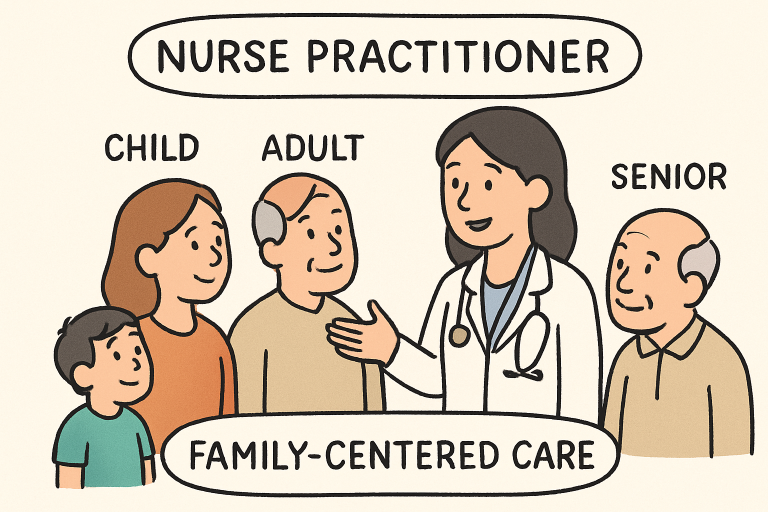
- Meaningful Patient Relationships: Caring for patients across the lifespan enables FNPs to develop long-standing, trust-based relationships with individuals and families, significantly impacting community health outcomes.
Career Opportunities for FNPs
The U.S. faces rising demand for primary and preventive care, intensified by physician shortages and an aging population. FNPs are uniquely positioned to bridge these gaps and provide critical services in various roles:
- Primary Care Providers: FNPs often serve as primary healthcare providers, diagnosing illnesses, managing treatment plans, promoting wellness, and educating patients.
- Specialty Clinics: Opportunities in pediatrics, geriatrics, women’s health, and chronic disease management allow FNPs to develop expertise in specific patient populations or conditions.
- Leadership Roles: With experience, FNPs can advance into leadership by managing clinical teams, developing healthcare policies, or contributing to nursing education and research.
As public health challenges evolve, FNPs also play vital roles in policy development and healthcare innovation. Their holistic approach to care makes them valuable assets across many sectors of the healthcare system.
Continuing Education and Professional Development
Continuing education is essential for FNP practitioners to maintain licensure and stay current with advances in medical research and practice. Requirements typically include completing a specified number of continuing education units (CEUs) every renewal period. Involvement in professional organizations, mentorship, and conferences helps FNPs stay informed about evolving best practices and legislative changes that may affect their scope of practice.
Networking with peers and engaging with nursing associations not only offers professional development but also enhances access to career resources, industry insights, and support systems throughout an FNP’s career.
Conclusion
Becoming a Family Nurse Practitioner is a challenging yet deeply gratifying career path, offering the chance to shape lives, contribute to community health, and thrive within a dynamic healthcare landscape. By understanding the journey—from educational prerequisites to ongoing professional growth—future FNPs can confidently advance their careers and elevate patient care for generations to come.