

Key Takeaways
- Artificial grass requires minimal upkeep compared to natural lawns.
- Modern synthetic turf is durable and suitable for a wide range of applications.
- It provides a consistent, green appearance year-round.
Table of Contents
- Low Maintenance
- Durability and Longevity
- Aesthetic Appeal
- Environmental Benefits
- Versatile Applications
- Health and Safety Advantages
- Conclusion
The evolution of artificial grass has transformed the way homeowners and businesses approach landscaping. With realistic textures and superior durability, modern synthetic turf offers more than just a green lawn—it delivers practical benefits that extend to convenience, sustainability, and visual appeal. Property owners considering a lawn upgrade can explore innovative solutions, such as ForeverLawn, to create vibrant outdoor spaces with minimal hassle. As expectations for landscaping shift toward environmental stewardship and efficiency, artificial grass is increasingly popular as an alternative.
The choice of artificial turf versus natural sod isn’t just about aesthetics—it’s about long-term value, reduced maintenance, and a healthier ecosystem. Modern synthetic lawns offer a wide range of benefits, making them suitable for diverse applications, from suburban backyards to bustling public parks.
Low Maintenance
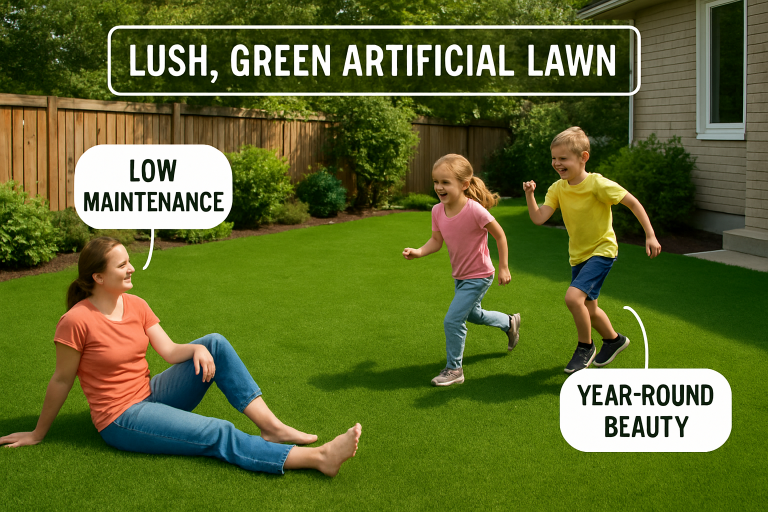
One of the defining strengths of artificial grass is its exceptionally low maintenance. Unlike natural lawns, synthetic turf does not require weekly mowing, seasonal fertilization, or regular reseeding. These routine tasks, which can consume significant time and money, are eliminated. According to Better Homes & Gardens, artificial turf stays lush and vibrant year-round with minimal care, making it an appealing option for both homeowners and commercial spaces. Instead, property owners get more leisure and fewer chores, as artificial lawns retain their tidy appearance with just occasional brushing and rinsing to clear away leaves or debris.
Using synthetic grass also eliminates the need for harsh pesticides or herbicides. This not only cuts costs but also reduces chemical exposure for pets, children, and nearby wildlife, supporting a safer environment for everyone who enjoys the lawn.
Durability and Longevity
Artificial grass is engineered for resilience. Today’s high-quality synthetic turf is built to withstand everything from playful children and active pets to harsh weather conditions that would quickly damage a natural lawn. Many premium products feature UV-resistant fibers, ensuring the grass stays green and upright without fading or wearing thin from sunlight or repeated use.
With a lifespan of 15 to 25 years, modern artificial turf is a long-term investment that pays off by remaining attractive and functional in nearly any setting. This longevity saves thousands in regular lawn renovation and grass replacement costs.
Aesthetic Appeal
A significant reason artificial grass has become so popular is its year-round curb appeal. Synthetic lawns never go patchy, muddy, or brown, no matter the season or how harsh the weather gets. According to House Beautiful, today’s turf innovations include realistic variations in blade shape, length, and color, which replicate the softness and natural motion of real grass.
This dependable beauty does more than just boost pride of ownership or local property values; it gives homeowners and businesses the freedom to design outdoor spaces that remain vibrant and welcoming year-round with minimal effort.
Environmental Benefits
Besides significant water conservation, artificial grass offers numerous environmental advantages. It eliminates the need for gas-powered mowers, which decreases noise pollution, CO₂, and emissions from typical lawn care tools. Additionally, since it doesn’t require fertilizers or pesticides, it prevents runoff that can harm groundwater and local wildlife. This makes artificial grass a crucial component of many sustainable landscaping approaches.
Versatile Applications
Artificial turf has many uses beyond residential lawns. Businesses use it for easy-care commercial landscapes, while cities opt for it in playgrounds, dog parks, and sports fields. Synthetic grass is ideal for areas where natural grass struggles to grow, like shaded courtyards, balconies, rooftops, and indoor venues. Its versatility allows it to deliver durable, attractive, and consistent surfaces wherever a lush, green look is wanted.
Health and Safety Advantages
Artificial grass brings added comfort and safety to outdoor spaces. The even surface reduces the risk of trips and falls, making synthetic turf ideal for playgrounds, athletic fields, and pet zones. Modern infill technologies provide gentle cushioning that mimics the softness of real soil while improving drainage to prevent puddles and mud. Additionally, synthetic turf produces no pollen, helping allergy sufferers enjoy outdoor time more freely and reducing the prevalence of common lawn pests.
Conclusion
Modern artificial grass stands at the intersection of sustainability, convenience, and visual appeal. Its benefits, from dramatically lower maintenance and water use to long-term durability and consistently beautiful appearance, make it the smart landscaping choice for the future. Whether it’s a cozy backyard, a community park, or a high traffic commercial property, synthetic turf offers a valuable, green solution for any environment.