
Key Takeaways
- Adjust the pressure settings according to the surface being cleaned.
- Select the appropriate nozzle to optimize efficiency and minimize risk.
- Maintain attention to technique, including distance and angle, for safer, better cleaning.
- Don’t skip personal protective equipment (PPE) for your own safety.
- Follow environmentally responsible practices and comply with local regulations.
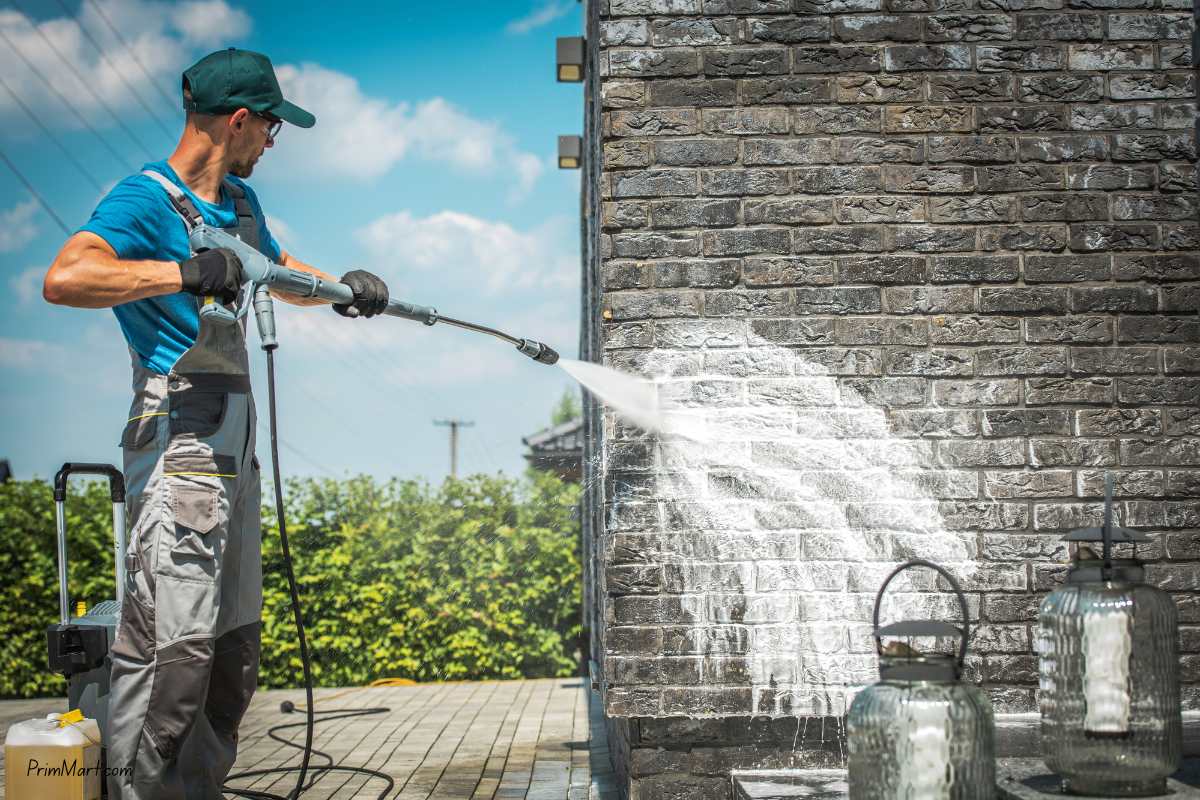
Pressure washing is a powerful and efficient way to revitalize your property’s surfaces, but it demands careful attention to technique and safety. Whether you’re cleaning a driveway, siding, or patio furniture, adhering to best practices helps you achieve sparkling results without unnecessary risks. To ensure professional-grade results with peace of mind, consider pressure washing with satisfaction guarantee. This guide explores the most effective and safe strategies for pressure washing a variety of surfaces, protecting both your property and the environment.
Misusing a pressure washer can lead to costly surface damage and even personal injury. Successfully cleaning outdoor surfaces isn’t just about power—it’s about precision, preparation, and understanding the appropriate tools for the job. With growing concerns about environmental impact, adopting responsible practices is essential for both homeowners and professionals.
Understanding Pressure Settings
Different surfaces require tailored pressure levels. Using the correct pressure prevents costly damage and ensures a thorough, even clean. For hard, durable materials like concrete and brick, pressure levels between 2,500 and 3,000 PSI are typically safe. These surfaces can withstand high force, making them ideal for removing stubborn grime, oil stains, and mildew.
Conversely, softer materials such as wood decks or vinyl siding are much more susceptible to splintering, denting, or warping. For these, staying at a lower pressure range—usually between 1,200 and 1,500 PSI—protects the integrity of the material. For delicate items and vehicles, it’s best never to exceed 1,500 PSI, as paint chipping, stripping, or deformation can occur easily.
Always begin with a lower pressure and increase gradually only if necessary. Testing a small, hidden area is an excellent precaution before committing to larger visible surfaces.
Mastering pressure settings not only preserves your home’s exterior but also prevents avoidable repair costs.

Selecting the Right Nozzle
The pressure washer nozzle you use has a significant impact on your cleaning outcome. Nozzles are designed with varying spray angles that determine the concentration or dispersion of the water stream. Each color-coded nozzle serves a specific function:
- 0-Degree (Red): The most concentrated, suitable only for tough stains on harsh surfaces. Never use this nozzle on wood, vehicles, or siding as it can etch or gouge the material.
- 15-Degree (Yellow): A narrow fan for heavy-duty cleaning on resilient surfaces like concrete and brick.
- 25-Degree (Green): A more general-purpose nozzle, well-suited to patios, decks, and outdoor furniture.
- 40-Degree (White): The gentlest fan spray, ideal for fragile materials, windows, and painted surfaces.
Using the wrong nozzle can easily damage surfaces or leave them inadequately cleaned. Make it a habit to check and swap nozzles according to the task at hand.
Maintaining Safe Distance and Angle
How you handle the pressure washer wand is vital to safety and effectiveness. A minimum distance of 12 inches from the surface generally prevents erosion or unintended marks, but this may need to be greater for delicate surfaces. Spraying at a gentle downward angle prevents water from being forced under lap siding or into structural crevices, which can lead to mold growth or hidden damage.
Always start each cleaning session on a discreet patch to ensure your chosen settings, angles, and nozzles don’t harm the material or lead to streaking. Adapt as necessary if you observe any adverse effects during your test.
Personal Protective Equipment (PPE)
Pressure washing projects should never be undertaken without proper PPE. The force generated by these machines can cause severe injuries or propel debris at high velocities. The essential items include:
- Eye Protection: Goggles or safety glasses block hazardous debris and water splash-back.
- Gloves: Nonslip, chemical-resistant gloves shield your hands from harsh cleaners and improve grip.
- Footwear: Closed-toe, non-slip shoes or boots are crucial to prevent slips and protect your feet from jets and falling debris.
- Clothing: Long pants and sleeves minimize skin exposure to powerful water sprays and cleaning solutions.
Environmental Considerations
Responsible pressure washing includes protecting the surrounding environment. Whenever possible, use biodegradable cleaners that break down safely and avoid formulas containing phosphates or bleach, as these can harm landscaping and wildlife habitats. Ensure wastewater runs into your lawn or garden, not storm drains, as untreated water often ends up in rivers and streams, threatening aquatic life.
Be aware of your municipality’s policies for water and chemical usage. Some locales have restrictions to prevent nonpoint source pollution, especially from pressure washing large areas.
Common Mistakes to Avoid
Even seasoned DIYers can fall into common traps. Most frequently, using excessive pressure or the wrong nozzle for a material leads to irreversible damage. Ignoring PPE is a leading cause of preventable injuries such as lacerations or eye trauma. Failing to consider environmental responsibility, particularly in wastewater management, puts ecosystems at unnecessary risk and may result in fines.
- Using Too Much Pressure: High levels can cause scarring, stripping, or even breaking of surfaces, especially wood and siding.
- Incorrect Nozzle Selection: Selecting the wrong nozzle often leads to subpar cleaning or damaged material.
- Ignoring Safety Precautions: Failing to use basic PPE and safeguards increases the risk of injury.
- Overlooking Environmental Impact: Bad disposal practices cause ecological harm and often breach local law.
Following these pressure washing best practices keeps your property in top condition, protects your family and community, and ensures a cleaner, greener future.