
Key Takeaways
- Pressure testing identifies leaks and weaknesses in water main systems before commissioning.
- Thorough preparation, including air removal and correct equipment setup, is necessary for accurate test results.
- Strict adherence to procedural and safety standards minimizes risk and ensures compliance.
Maintaining the integrity of water distribution systems is critical for public health and reliable utility service. Before a new or repaired water main is put into service, pressure testing verifies that the pipeline can withstand regular operating stresses and remains leak-proof. Employing a properly calibrated hydrostatic test pump and following best practices not only ensures system reliability but also upholds safety standards and regulatory compliance.

Pressure testing is required by both local utility codes and industry guidelines to prevent failures that can lead to water loss, property damage, and costly repairs. Preparing adequately, using the correct equipment, and documenting each step of the process are fundamental to a successful test. Understanding this process and its significance helps maintain sound infrastructure and avoid future issues.
Understanding Water Main Pressure Testing
Water main pressure testing applies a specific pressure to a pipeline to simulate demanding service conditions. The process determines whether the installation is robust enough to withstand both the intended operating pressure and surges, helping prevent system failures down the line. According to standards from organizations like the American Water Works Association (AWWA), this is an indispensable part of water main commissioning and repair.
Preparation Steps
Success in water main pressure testing begins before water enters the pipe. Preparation steps include:
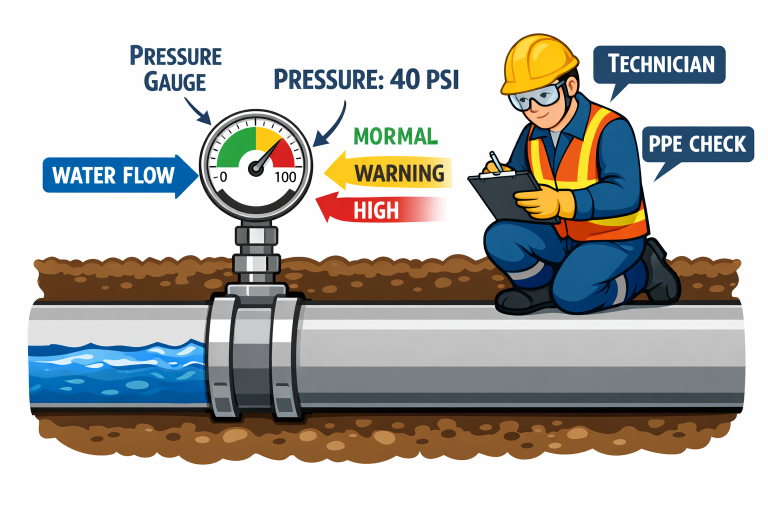
- System Isolation: Clearly isolate the section of the pipeline to be tested. Use valves, plugs, or end caps to block water from unintended areas. Inadvertent exposure of adjacent lines can result in inaccurate readings and pose potential hazards to the greater water distribution network.
- Air Removal: Air left in the pipeline can compress and mimic water loss, producing false failure indicators. To avoid this, completely purge air from the system by opening vents or high-point relief valves as the test section is filled.
- Equipment Calibration: Carefully inspect and calibrate all test equipment, including pressure gauges and relief valves, to ensure accurate pressure readings. Using professionally approved instruments, such as a reliable gauge certified for use in public water systems, is vital for data integrity.
Conducting the Pressure Test
Once the water main section is ready and air-free, you can proceed through a sequence of steps to properly apply and measure pressure:
- Filling the Pipeline: Introduce water slowly into the isolated section, allowing any lingering air to escape through open vents. Rapid filling can cause surges or leave pockets of trapped air, skewing results and damaging infrastructure.
- Applying Test Pressure: Gradually increase the pressure within the pipe to the predetermined value, typically 150 psi or 50 psi above the design pressure, as applicable. This step simulates the highest anticipated system loads. The pressure must be held steady for at least two hours per industry guidelines.
- Monitoring: Throughout the test, maintain a steady observation of all gauges. A drop of more than 5 psi during the testing period typically signals a leak or a weak area in the system, requiring repairs and a subsequent retest to confirm integrity.
Safety Considerations
Given the high pressures involved, safety should always be prioritized during the testing phase:
- Exclusion Zones: Set up clear physical boundaries around the test area to keep unauthorized personnel at a safe distance and reduce the risk of injury in the event of sudden pressure release.
- Emergency Procedures: Have well-established action plans in place for valve failure, pipeline bursts, or other hazards. Training staff in emergency response reduces risks during abnormal events.
- Personal Protective Equipment (PPE): Equip all workers on site with appropriate safety gear, including gloves, hard hats, and safety goggles. This minimizes risk from flying debris or sudden leaks during testing.
Common Challenges and Solutions
Even well-prepared projects can encounter issues during pressure testing. Some of the most common include:
- Air Entrapment: Incomplete purging of air often leads to inaccurate readings. Double-check all vents and high points before starting the test to ensure no air pockets remain.
- Temperature Fluctuations: Ambient temperature changes can cause pressure variations unrelated to leaks. To minimize this effect, conduct tests in stable conditions and account for temperature in your measurements.
- Equipment Malfunctions: Out-of-calibration or damaged gauges and test pumps can yield false data. Regular inspection and preventive maintenance of all testing tools help ensure reliable results every time.
Documentation and Compliance
Accurate record-keeping is integral to both regulatory compliance and long-term system maintenance. Thoroughly documenting every aspect of the pressure test serves as a reference for future repairs and demonstrates compliance with regulatory authorities.
- Record the test pressure applied and the total duration of the test.
- Carefully note any pressure drops, including their extent and timing.
- If repairs are required, document the steps taken and the results of any subsequent retesting.
Following standardized procedures and maintaining detailed paperwork ensures each test’s results are accepted for legal and operational purposes, providing peace of mind to utilities and their customers.
Final Thoughts
Systematic, well-documented pressure testing is a critical step in water main management. This process, using the right equipment and adhering to industry best practices, uncovers potential systemic weaknesses before the water main goes into full operation. Thorough preparation, consistent monitoring, and meticulous record-keeping ultimately protect public health, save on future repair costs, and contribute to the safe and sustainable delivery of water services.