
The Hierarchy of Home Improvement ROI: Exterior vs. Interior Projects
Our homes are often our most significant investments. So, when we consider making improvements, we want to ensure those efforts not only improve our living space but also add real value. This is where understanding Home Improvement ROI – or Return on Investment – becomes crucial.
It’s not just about spending money; it’s about making smart choices that pay off. We’ll explore which renovations offer the biggest bang for our buck, whether we’re planning to sell soon or simply want to boost our long-term equity.
In this guide, we will dive into the projects that consistently deliver high returns, differentiate between exterior and interior upgrades, and highlight how factors like market conditions and quality of work play a vital role. We’ll also help you steer common pitfalls and prioritize your renovation plans to maximize both comfort and financial gain. For example, considering options like a kitchen refresh rather than a full gut can offer a surprising return. Getting an Honest kitchen refacing ROI estimate can be a great first step in understanding the potential financial benefits of targeted kitchen updates.
To truly understand the financial impact of our renovation efforts, we first need to grasp the core concept of ROI. It’s a straightforward calculation that helps us quantify the financial gain (or loss) relative to the cost of an investment. For home improvements, it tells us how much of our project cost we can expect to recoup in increased home value.

This formula is our compass, guiding us toward decisions that not only improve our daily lives but also strengthen our financial position as homeowners.
When we talk about home improvement ROI, a clear pattern emerges: exterior projects often lead the pack. This isn’t just anecdotal; annual reports consistently show that upgrades to a home’s façade and structural elements offer a superior return on investment compared to many interior renovations.
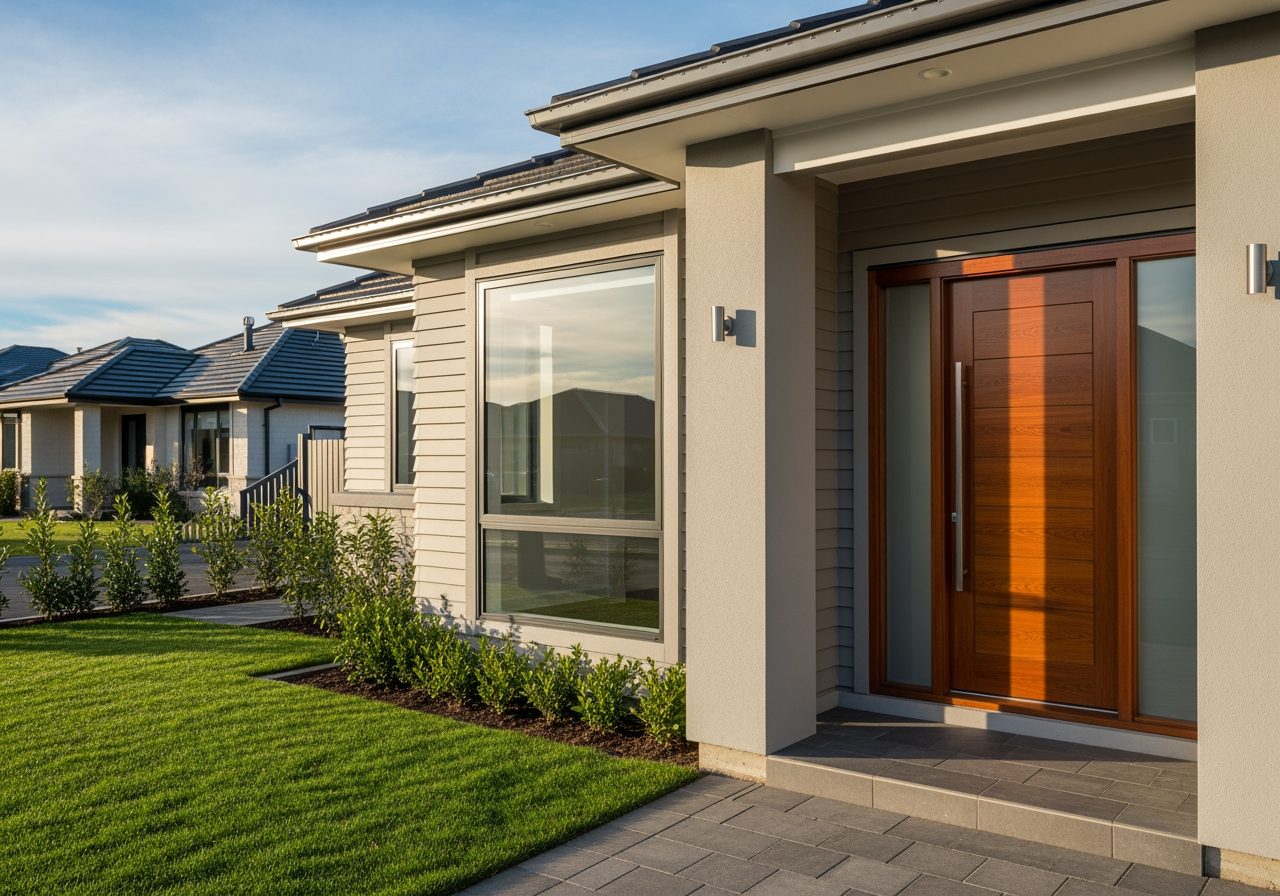
Why is this the case? It largely comes down to curb appeal, first impressions, and the perceived health and longevity of the home. Buyers often form their initial opinion of a property before even stepping inside. A well-maintained exterior signals a well-cared-for home, reducing perceived risks and potential future expenses for the buyer. Furthermore, essential exterior components like roofs, siding, and windows contribute significantly to a home’s structural integrity and energy efficiency – two highly valued aspects by today’s discerning buyers.
The latest Cost vs. Value report reaffirms this trend, with exterior projects consistently offering a high return. For instance, garage door replacements frequently top the charts for ROI, demonstrating that even seemingly small exterior updates can have a powerful financial impact. Understanding the Good Golly garage door ROI highlights why this affordable upgrade is so powerful; it’s a prominent feature that improves both aesthetics and functionality.
Why Exterior Upgrades Win for Resale Value
The psychological impact of a strong first impression cannot be overstated. When a potential buyer pulls up to a home, the exterior is the first thing they see, and it sets the tone for their entire viewing experience. A fresh coat of paint, updated siding, or a new front door instantly communicates that the home is well-maintained and modern.
Beyond aesthetics, exterior upgrades often address fundamental aspects of a home’s health. A new roof offers peace of mind regarding weather protection, while energy-efficient windows and improved insulation contribute to lower utility bills – a significant draw for any homeowner. These elements translate into a low maintenance appeal, as buyers are less likely to anticipate immediate, costly repairs. A well-cared-for exterior suggests a well-cared-for interior, fostering a positive overall perception of the home’s value.
The Value of Interior Renovations for Livability and Sale
While exterior projects often boast higher ROIs, interior renovations hold immense value for our daily comfort and functionality. These are the spaces we live in, entertain in, and create memories in. Therefore, the return on investment here isn’t purely financial; it’s also about personal enjoyment and an improved quality of life.
However, interior renovations also play a crucial role when it comes time to sell. Modern, functional kitchens and bathrooms are often deal-makers. The kitchen, frequently the heart of the home, is where families gather, and a well-designed space can significantly improve a home’s appeal. Similarly, bathrooms have evolved from purely utilitarian spaces into personal retreats, and updated fixtures, finishes, and layouts can make a home feel move-in ready and luxurious. Buyers are often willing to pay a premium for homes that don’t require immediate, extensive interior work, making strategic interior updates a smart investment for both current enjoyment and future resale.
Top-Tier Renovations: Where to Invest for Maximum Return
When we consider where to invest our hard-earned money in home improvements, we’re looking for projects that strike a balance between enhancing our living experience and offering a solid financial return. This strategic investment approach means prioritizing projects with proven resale value, understanding that not all renovations are created equal in the eyes of a potential buyer.

The key is to focus on high-impact projects that appeal to a broad audience and address common buyer desires. This often means functional upgrades, aesthetic refreshes that make a home feel modern and well-maintained, and improvements that contribute to a home’s overall efficiency and structural integrity.
High-Impact Exterior Upgrades
As we’ve discussed, exterior projects consistently deliver some of the highest ROIs, making them excellent choices for maximizing return. Here are some of the top performers:
- Garage Door Replacement (ROI: 194%+): This often overlooked upgrade dramatically boosts curb appeal and offers an impressive return, making the home look newer and more inviting.
- Steel Entry Door (ROI: 188%+): A new, secure, and aesthetically pleasing front door significantly improves a home’s first impression and perceived security, providing an exceptional return.
- Manufactured Stone Veneer (ROI: 153%+): Adding stone veneer to a portion of the home’s exterior can lift its aesthetic, giving it a more upscale and custom look without the cost of full stone cladding.
- Siding & Roof Replacement (ROI: 70-90%): These essential structural updates protect the home, improve energy efficiency, and refresh its appearance. Buyers value the peace of mind that comes with a new, durable roof or siding.
- Landscaping & Deck Addition (ROI: 65-100%): Thoughtful landscaping and a well-maintained deck create inviting outdoor living spaces, which are highly desirable and can significantly improve a home’s overall appeal and value.
Maximizing Interior Home Improvement ROI
While exterior projects often lead in raw ROI percentages, certain interior renovations are crucial for livability and can still offer excellent returns, especially if done strategically.
- Kitchens: The kitchen remains a focal point for buyers. However, the key to maximizing ROI here is often a minor remodel rather than a full-scale gut job. A minor kitchen remodel focuses on updating surfaces, fixtures, and appliances without altering the layout. This could include cabinet refacing, new countertops, a modern backsplash, and energy-efficient appliances. For kitchens, focusing on a refresh instead of a full gut is key, and getting an Honest kitchen refacing ROI estimate can clarify the financial benefits. A minor remodel can yield 70-100% ROI, whereas a major, high-end remodel might only return 30-50%.
- Bathrooms: Similar to kitchens, strategic bathroom updates offer strong returns (60-75% ROI for a remodel). We should focus on clean, modern aesthetics: new vanity, updated fixtures, fresh tile, and good lighting. Prioritizing functionality and a spa-like feel over excessive personalization is key.
- Basements: Finishing a basement adds valuable living space, which can significantly increase a home’s square footage and functionality. This can be a versatile space for an extra bedroom, family room, or home office, typically offering 50-75% ROI. The potential for a legal secondary suite can further boost this return.
The Role of Energy Efficiency in Home Improvement ROI
Energy efficiency is no longer just a buzzword; it’s a significant factor for homebuyers and a smart investment for homeowners. Projects that reduce energy consumption not only save money on utility bills but also appeal to an increasingly eco-conscious market.
- Window Replacement: Upgrading to energy-efficient windows (especially ENERGY STAR® certified) can significantly reduce heating and cooling costs and improve indoor comfort. This project typically yields 65-80% ROI, and the ongoing savings are an added bonus.
- Insulation and Air Sealing: Improving insulation in attics, walls, and basements, along with sealing air leaks, is a highly effective way to improve a home’s energy performance. This often provides one of the highest ROIs, sometimes exceeding 100% (80-120%), due to substantial energy savings and potential government incentives.
- HVAC Systems: Replacing an old, inefficient heating, ventilation, and air conditioning (HVAC) system with a modern, high-efficiency unit is a major draw for buyers. It ensures comfort, reduces energy costs, and signals a well-maintained home. Upgrading to a modern HVAC system is a key part of this, and the Smart Climate ROI is boosted by long-term energy savings and buyer appeal. Many regions also offer tax credits or rebates for these types of energy-efficient upgrades, further sweetening the deal.
Strategic Renovation: Planning for Profit and Broad Appeal
Undertaking home renovations without a clear strategy is akin to sailing without a compass – we might end up somewhere, but it might not be where we intended. To maximize ROI and ensure broad buyer appeal, we need a thoughtful approach to project prioritization, budgeting, and market alignment. This means understanding not just what to renovate, but when and how.
A well-planned renovation strategy considers the home’s current condition, its market value, the neighborhood’s expectations, and our ultimate goals (e.g., immediate sale vs. long-term living). It also involves anticipating potential pitfalls and making informed decisions to avoid costly mistakes that diminish value rather than improve it.
The Smartest Order for Tackling Renovations
To ensure our renovation efforts build upon each other efficiently and effectively, a strategic order is paramount. We generally recommend a phased approach:
- Structural & Systems (Foundation First): Address any fundamental issues first. This includes foundation repairs, roof replacement, major plumbing or electrical overhauls, and HVAC system upgrades. These are the “bones” and “nervous system” of the house; ensuring their integrity is non-negotiable and provides a stable base for all subsequent work.
- Exterior Envelope (Siding, Windows, Doors): Once the structural elements are sound, focus on the exterior. This phase involves replacing or repairing siding, upgrading to energy-efficient windows, and installing new entry and garage doors. These projects protect the interior, improve curb appeal, and improve energy efficiency, offering excellent ROI.
- Major Interiors (Kitchens, Bathrooms): With the exterior secure, we can turn our attention to the high-impact interior spaces. As discussed, minor remodels in kitchens and bathrooms tend to offer the best ROI. Focus on modernizing fixtures, surfaces, and appliances without expensive layout changes.
- Finishing Touches (Paint, Fixtures, Landscaping): The final phase involves cosmetic updates that tie everything together. This includes interior and exterior painting, updating light fixtures, new flooring, and enhancing landscaping and curb appeal. These relatively inexpensive projects can significantly lift the home’s perceived value and make it feel truly “move-in ready.”
Common Pitfalls: Renovations with Poor ROI to Avoid
Not all renovations are created equal, and some projects, while personally satisfying, offer a notoriously poor return on investment, especially if we’re planning to sell. We should be wary of:
- Over-personalization: Highly specific design choices, bold colors, or unique architectural elements might appeal to us, but they can alienate a broad base of potential buyers. Neutral, classic designs tend to have wider appeal.
- Luxury Upgrades in Modest Neighborhoods: Installing a $100,000 gourmet kitchen in a neighborhood where homes average $300,000 is a classic example of “over-improving.” Buyers in that price range won’t pay for the excessive luxury, and we’ll likely recoup only a fraction of the cost.
- Swimming Pools: While a pool can be a personal luxury, for many buyers, it represents a significant maintenance burden, safety concern, and insurance cost. In many climates, pools can actually decrease a home’s value or extend its time on the market.
- Garage Conversions: Converting a garage into additional living space often reduces valuable storage and parking, which many buyers prioritize. The ROI is typically low (50-60% at best), as buyers may factor in the cost of converting it back.
- Sunroom Additions: While they add square footage, sunrooms can be expensive to build and often lack proper insulation, making them unusable during extreme weather. Their specialized nature often results in a poor ROI (40-50%).
- DIY Electrical or Plumbing: While tempting to save money, improperly executed DIY electrical or plumbing work is a significant safety hazard, can lead to costly repairs, and may even decrease a home’s value. Unpermitted or shoddy work will be flagged during inspection and can deter buyers or lead to legal issues.
Key Factors That Influence Your Renovation’s Return
The ROI of a home improvement project isn’t solely determined by the type of renovation. Several external and internal factors can significantly sway whether our investment pays off or falls short. Understanding these elements is crucial for making informed decisions and maximizing our financial gains.
Market Conditions: A hot seller’s market, where demand outstrips supply, often allows for a higher recoup of renovation costs. In contrast, a buyer’s market might see lower ROIs, as buyers have more leverage and are less willing to pay a premium for upgrades. Timing our renovations with favorable market conditions can make a substantial difference.
Geographic Location: ROI can vary dramatically from one region to another, and even within different neighborhoods of the same city. What’s a high-return project in a suburban family-oriented area might not be in an urban downtown core. Local real estate agents and appraisers can provide invaluable insights into what buyers in our specific area value most.
Quality of Workmanship and Professional Installation: This is a non-negotiable factor. Shoddy workmanship or DIY projects that look unprofessional can actually decrease a home’s value. Professional installation, using skilled tradespeople, ensures the project is completed to a high standard, enhancing durability and aesthetic appeal. This quality signals to buyers that the home is well-maintained and free from hidden issues.
Permits and Code Compliance: For any structural, electrical, plumbing, or major renovation, obtaining the necessary permits and ensuring code compliance is essential. Unpermitted work can create significant legal and financial headaches down the line, potentially forcing us to tear down and redo work, or even making it difficult to sell the home. Always verify permit requirements with local authorities.
Material Choices: While it’s tempting to opt for the cheapest materials to save money upfront, quality materials often offer a better long-term ROI. They are more durable, require less maintenance, and present a more appealing aesthetic. Conversely, ultra-luxury materials in a mid-range home can lead to over-improving and a poor return.
Financing Options: How we finance our home improvements also impacts the net ROI. High-interest loans can eat into our profits. Understanding various financing avenues, such as home equity lines of credit (HELOCs), home equity loans, or personal loans, and choosing the one with the most favorable terms, is a critical part of managing costs effectively.
Financing Option Typical Interest Rate Best For Pros Cons HELOC 7.5-8.5% Multiple, ongoing projects Flexible, draw as needed, interest-only payments possible during draw Variable interest rate, requires home equity, home as collateral Home Equity Loan 7.0-8.0% Single, large project with fixed cost Fixed interest rate, predictable payments, lump sum Requires home equity, home as collateral, less flexible once disbursed Personal Loan 8-18% Smaller projects, no home equity needed Unsecured (no collateral), quick approval, fixed payments Higher interest rates, shorter repayment terms, lower loan amounts Frequently Asked Questions about Home Improvement ROI
What single home improvement has the best ROI?
Based on recent data, exterior replacement projects consistently offer the highest ROI. Specifically, garage door replacement and steel entry door replacement often top the charts, with ROIs frequently exceeding 100% of the cost recouped. These projects make a significant impact on curb appeal, are relatively affordable, and immediately signal a well-maintained home to potential buyers.
Should I do a major kitchen remodel before selling?
Generally, no. A major, gut-job kitchen remodel often has a low ROI (sometimes under 50%). While kitchens are crucial, extensive overhauls are expensive and highly personalized, making it difficult to recoup the full cost. A minor kitchen remodel—focusing on refacing cabinets, installing new countertops and hardware, updating appliances, and refreshing fixtures—offers a much better return (70-100%+) and is a smarter pre-sale investment. It provides a fresh, modern look without the prohibitive cost or risk of over-personalization.
How much should I budget for renovations to ensure a good ROI?
A good guideline is the 5-15% rule: avoid spending more than 5-15% of your home’s total value on a single renovation project. For example, if your home is valued at $400,000, keep a single project’s budget between $20,000 and $60,000. This helps prevent over-improving for your neighborhood and ensures the investment aligns with the property’s market value, making it more likely to appeal to a broad range of buyers in your price point.
Conclusion
Navigating home improvements can be exciting, offering us the chance to personalize our spaces and improve our daily lives. However, for those of us also keen on making smart financial decisions, understanding Home Improvement ROI is paramount. We’ve seen that strategic renovations offer dual benefits: they improve our lifestyle while simultaneously boosting our property’s value.
The key takeaway is that not all renovations are created equal. Exterior projects, like replacing a garage door or an entry door, consistently deliver outstanding returns, largely due to their impact on curb appeal and perceived home health. Interior updates, particularly minor kitchen and bathroom remodels, also offer strong value when executed with broad buyer appeal in mind. Furthermore, investments in energy efficiency not only save us money in the long run but also attract environmentally conscious buyers.
By prioritizing projects with broad appeal and proven returns, we can confidently invest in our homes, knowing that our efforts will lead to both increased comfort and a stronger financial position. Smart planning, informed choices, and a focus on quality are our best allies in successfully boosting our home’s value and our enjoyment of it.