

Key Takeaways
- Sustainable Building Practices: Eco-friendly materials and net-zero energy designs are becoming the norm for long-term savings and reduced environmental impact.
- Smart Home Integration: Advanced technologies are now standard, enhancing convenience, security, and energy efficiency.
- Modular and Prefabricated Construction: Off-site building methods accelerate timelines and reduce waste, making homebuilding more efficient and flexible.
- Resilient Design: Construction that withstands extreme weather and natural disasters is increasingly essential for safety and value.
- Innovative Materials: New materials are boosting durability, efficiency, and comfort across construction projects.
As residential construction evolves, both homeowners and industry professionals must keep pace with the latest trends redefining the building landscape. In recent years, home construction has shifted from traditional practices to a more holistic, technology-driven approach, shaping how communities grow and flourish. From eco-conscious designs that emphasize sustainability to next-generation smart home features that offer safety and comfort, today’s housing landscape is shaped by remarkable innovation and a strong demand for efficiency. For anyone considering a new build or renovation, understanding these trends—and the skilled guidance of custom home builders NC—is key to making informed decisions that deliver lasting value and exceptional quality. With homeownership often representing one of the largest personal investments most people will make, incorporating future-focused building methods can affect not only initial costs but also comfort, maintenance requirements, and resale value for years to come.
Modern home construction is driven by three powerful forces: sustainability, resilience, and technological integration. This shift reflects a larger commitment to environmental responsibility and the ever-increasing expectations homeowners have for comfort, safety, and long-term savings. Learning from these best practices helps future-proof homes, ensuring lasting satisfaction as families’ needs evolve in the coming years. Forward-thinking builders focus not only on outward appearance but also on operational efficiency, environmental stewardship, and adaptability. As a result, homes built today are more in tune with nature and the changing demands of modern households, offering both practical benefits and enhanced lifestyle experiences.
Sustainable Building Practices
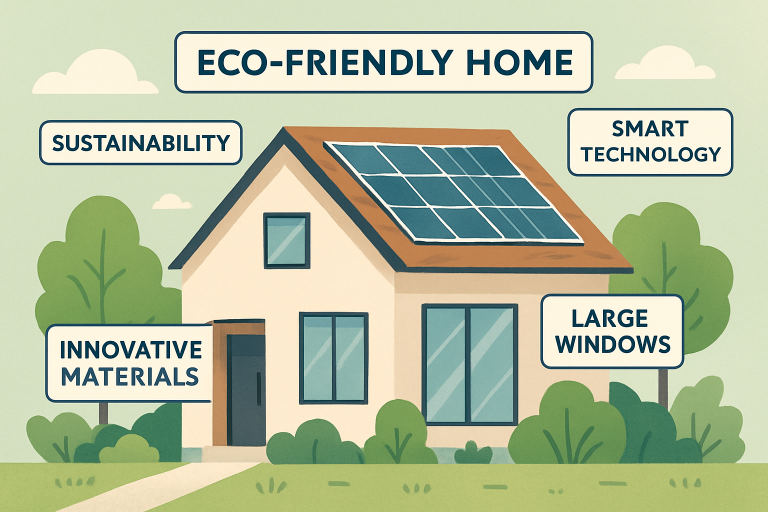
The future of home construction is rooted in sustainability. Builders are prioritizing eco-friendly materials—such as reclaimed wood, recycled steel, bamboo, and low-VOC paints—to create healthier living spaces and reduce the environmental footprint of each project. Smart site planning also plays a role, incorporating methods such as orienting homes to maximize natural light and utilizing drought-resistant landscaping. Enhanced insulation, energy-efficient windows, and upgraded mechanical systems play a crucial part in reducing dependence on nonrenewable energy. The use of renewable resources, such as solar panels, geothermal heating and cooling, and rainwater harvesting systems, all contribute to net-zero energy homes that produce as much energy as they consume. According to Architectural Digest, these sustainable strategies not only help protect the environment but also deliver impressive long-term savings for homeowners through reduced utility costs and lower maintenance expenses. In many communities, local building codes are evolving to encourage or even mandate green building methods, further accelerating the shift toward sustainable development practices in the housing market.
Smart Home Integration
Technology is transforming how we interact with our homes, making them easier to control, more secure, and tailored to fit our unique lifestyles. From AI-powered lighting and voice-controlled assistants to energy-efficient appliances and comprehensive security systems, modern homes are becoming highly interactive and increasingly personalized. Smart thermostats and multi-zone HVAC systems adapt to occupants’ routines, optimizing energy use while maximizing comfort and savings. Home automation encompasses smart locks, doorbell cameras, and leak detectors, providing peace of mind even when no one is home. As 5G internet continues to expand, it enables real-time monitoring, remote control, and automation of countless home functions accessible from anywhere in the world, paving the way for a more convenient and efficient living experience. Homeowners can also integrate health-monitoring gadgets for air quality or smart kitchens that track grocery needs. Builders and architects are now designing spaces with tech infrastructure in mind, future-proofing homes for new advancements and ensuring adaptability for years to come.
Modular and Prefabricated Construction
With the ongoing need for affordable, high-quality housing, modular and prefabricated construction methods are gaining rapid traction in both urban and rural settings. These approaches involve fabricating substantial portions of the home—including walls, floors, and even complete rooms—in a controlled factory setting, then assembling them quickly onsite. Not only does this minimize construction waste and lower costs, but it also significantly reduces build times, resulting in less disruption to neighborhoods and faster occupancy for owners. Modular homes can often be completed in just a matter of weeks, compared to the many months it takes for traditional builds, offering crucial relief in tight housing markets or after natural disasters when rapid reconstruction is needed. Factory settings also promote higher precision, consistent quality, and safer working conditions compared to unpredictable weather at job sites. These benefits are prompting more prospective homeowners to consider off-site building for faster, greener results, especially as design options have grown in variety and sophistication over the years.
Understanding contract structures is crucial for any build, especially as modular and custom projects become increasingly popular. Exploring a cost plus construction guide can help clarify pricing models and ensure transparency throughout your project. Proper understanding of how labor, materials, and overhead are calculated helps keep budgets on track, reducing the likelihood of unexpected expenses and fostering trust between homeowners and contractors. This understanding is a crucial step for anyone seeking to strike a balance between innovation and affordability in their home projects.
Resilient Design
As climate change leads to more frequent and severe weather events, resilient home design is more critical than ever for communities seeking ongoing safety and stability. Builders are incorporating features such as hurricane-resistant windows and doors, reinforced roofing, and elevated foundations to mitigate risks associated with storms, wildfires, or flooding. Innovations in disaster-resistant materials such as impact-rated siding, fireproof composite cladding, and water-resistant barriers help homes last longer and provide greater peace of mind for families. Enhanced emergency systems, including battery backups, sump pumps, and structural bracing, offer additional layers of protection to withstand whatever nature may bring, ensuring that homes not only survive but thrive in changing environmental conditions.
Innovative Materials
Material science is opening new horizons in construction and reshaping the possibilities for durability, comfort, and creativity in home design. Today’s homes benefit from products like self-healing concrete, which autonomously repairs small cracks and extends building longevity, and vacuum-insulated panels that deliver superior energy efficiency within compact wall assemblies. Smart glass windows now automatically adapt their tint to changing sunlight conditions, reducing glare and heat gain. Engineered wood products, such as cross-laminated timber (CLT), deliver exceptional strength while using less water and fewer natural resources than traditional choices. Recycled content surfaces, advanced composite roofing, and thermal mass materials are also becoming increasingly common, offering unique solutions that enhance both home performance and sustainability. As builders adopt these advancements, homes become more durable, efficient, and comfortable across a range of climates and lifestyles, reflecting the continuous evolution of the construction sector toward smarter, more responsible practices.
Conclusion
The modern homeowner and builder face a rapidly changing industry defined by sustainability, innovation, and resilience. Embracing key trends—such as sustainable practices, smart technology, modular methods, resilient design, and advanced materials—lays the foundation for homes that are not only functional and beautiful but also equipped for the future. Informed choices throughout the design and construction process ensure homes that truly stand the test of time, meeting the unique needs of families today and in the future. This commitment to better building practices promises not just improved homes, but a stronger, greener, and more vibrant future for everyone involved in the homebuilding journey.