

Key Takeaways
- Regular chimney inspections are essential for home safety and efficiency.
- Both the exterior and interior of the chimney require detailed attention.
- A certified professional inspection should be conducted annually for the best results.
Table of Contents
- Introduction
- Exterior Inspection
- Interior Inspection
- Functional Components
- Common Issues and Solutions
- When to Call a Professional
- Maintenance Tips
Proper chimney care begins with regular inspection, playing a key role in home safety and energy efficiency. Chimneys that aren’t routinely checked can present significant hazards, including fire risk and carbon monoxide exposure. To help homeowners maintain peace of mind and avoid costly repairs, this comprehensive guide provides a step-by-step checklist for conducting a practical chimney assessment. If you’re unsure where to start, it’s wise to refer to professional resources and services, such as Atlanta chimney inspection for expert help.
Neglected chimneys are a leading cause of residential fires each year, making timely inspections essential, even if your fireplace is used only seasonally. By paying attention to both exterior and interior components, you can safeguard your family while ensuring the longevity of your chimney structure. This checklist empowers homeowners to balance what can be handled independently with when to call in certified professionals. Chimney inspection is a crucial but often overlooked aspect of overall house maintenance, especially for older or heavily used homes.
Checking for clear signs of wear, obstructions, and structural problems is a proactive measure that not only protects your investment but also enhances indoor air quality. Following this guide will help homeowners approach chimney care with confidence and systematization, reducing future risks and costly damage. A smart homeowner constantly invests time in prevention, as most chimney issues can be identified early and remedied affordably when part of a yearly routine.
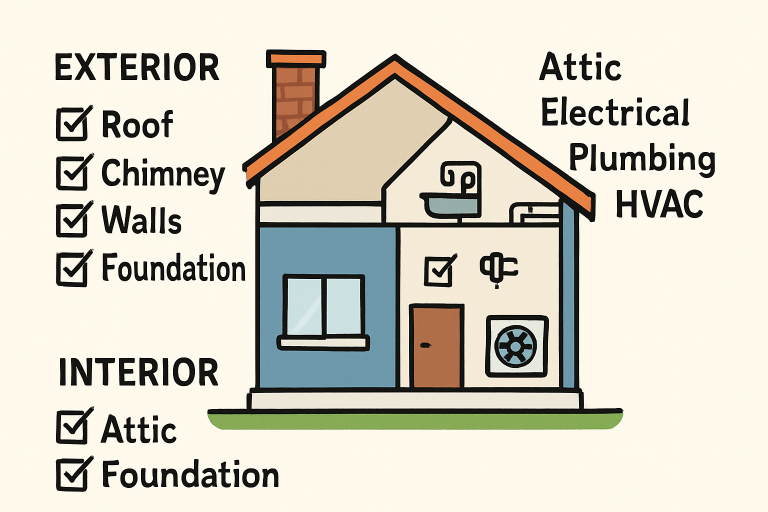
Exterior Inspection
Begin your inspection by examining the exterior of your chimney—the first line of defense against weather and wildlife. Focus on:
- Structural Integrity: Inspect the bricks or masonry for visible cracks, loose or spalling bricks, and missing mortar. These can be early signs of weakening that could jeopardize the entire chimney stack.
- Chimney Cap: Ensure the cap is firmly in place and free from holes or rust. An intact cap prevents animals, debris, and rain from entering, which protects internal components and improves airflow.
- Flashing: Closely inspect the metal flashing where the chimney meets your roof. Improper or deteriorated flashing is a leading cause of roof leaks and water damage around the chimney base.
Interior Inspection
Inside inspections reveal issues that you might overlook from the exterior—problems that, over time, can turn hazardous. Pay attention to:
- Creosote Buildup: Look for a black, tar-like residue along the flue walls, especially if you burn wood. Excessive creosote is highly flammable and a leading cause of chimney fires. A professional sweep best removes it.
- Obstructions: Check for soot, debris, or signs of nesting animals. These blockages constrict airflow and increase the risks of smoke backing up into your home.
- Damper Functionality: Test the damper at the base of the flue. It should open and close smoothly, allowing you to control ventilation and prevent drafts when the fireplace is not in use.
Functional Components
Operational parts of your chimney are critical for safe, effective performance:
- Flue Liner: Inspect for visible cracks, chips, or separation. A compromised liner exposes your home to heat, flame, and gases, and should be repaired or relined immediately if damaged.
- Smoke Chamber: The area above the firebox, where smoke funnels toward the flue, should be free of soot buildup and masonry defects. Misaligned bricks in this area can create turbulence and restrict airflow.
- Firebox: Examine the walls and floor of the firebox for cracks or deteriorated mortar joints. Weak spots here can allow heat to attack surrounding combustibles, posing a serious fire hazard.
Common Issues and Solutions
Chimneys are exposed to weather, wildlife, and high temperatures, leading to several common problems:
- Water Damage: Signs include efflorescence (white staining), water marks, or rusty chimney components. Even small leaks can have significant consequences. Prompt action, such as repointing or waterproofing, is essential.
- Animal Intrusion: Birds, squirrels, and raccoons frequently nest in uncapped or poorly capped chimneys. Besides causing obstructions, these animals can introduce pests and odors into your home. Installing a screened cap is an inexpensive long-term solution.
- Efflorescence: White salt deposits on brickwork are a sign of longstanding moisture penetration. Not only is this unsightly, but it also signals a deeper moisture problem that should be addressed before structural elements begin to fail.
When to Call a Professional
While visual inspections are a great routine, some chimney conditions demand expert attention:
- Annual Inspections: The National Fire Protection Association (NFPA) strongly recommends yearly professional chimney inspections, even if you use your fireplace sparingly. Certified inspectors possess the necessary tools and training to identify hidden vulnerabilities that could compromise your home’s safety.
- After Severe Weather: High winds, hailstorms, or earthquakes can damage even a well-maintained chimney. If your area has experienced such events, book a post-storm checkup to identify and repair damage early.
- Before Major Use: If your firebox or chimney system has been idle for months or years, schedule a professional inspection before restarting regular use to ensure it is still safe and fully functional.
Maintenance Tips
Stay proactive to extend the service life of your chimney and maximize safety:
- Clean Regularly: Remove ashes promptly and have soot and creosote swept on a regular schedule to maintain excellent airflow and minimize fire risk.
- Monitor for Changes: Stay vigilant for new odors, draft issues, or visible damage. Act promptly to investigate and address any anomalies before more significant issues arise.
- Install Carbon Monoxide Detectors: These devices are critical in homes with chimneys or fireplaces, as carbon monoxide leaks are both odorless and deadly—place detectors in key areas to alert you early to any air quality issues caused by your chimney.
With consistent attention to these chimney inspection guidelines, homeowners can enjoy reliable performance, maximum safety, and peace of mind every time they have a fire.