

Key Takeaways
- Concrete is highly versatile, moving beyond structural roles into design and decorative features for both indoor and outdoor spaces.
- Cutting-edge technologies like 3D printing expand the creative possibilities for concrete in home builds and renovations.
- Pairing concrete with other materials or finishes amplifies both its aesthetic and practical attributes.
Table of Contents
- Concrete in Interior Design
- Outdoor Applications
- Decorative Elements
- Technological Advancements
- Sustainability and Eco-Friendly Practices
- Combining Concrete with Other Materials
- Conclusion
Concrete is rapidly emerging as a creative powerhouse in modern home design, redefining the limits of what’s possible in contemporary architecture. No longer confined to invisible foundations and structural frameworks, concrete now crafts inviting interiors and striking exteriors alike. Whether integrated into the framework of a sleek urban loft or the exterior of a serene backyard retreat, professional services like RDU Concrete Contractors and Paving are helping homeowners transform visions of modern sophistication into tangible, enduring realities.
This robust material delivers an intersection of functionality, durability, and aesthetic versatility. Concrete’s adaptability extends to both form and finish, offering limitless design possibilities. The ability to take on organic curves, intricate patterns, or minimalist lines has elevated concrete as a transformative element not only in new builds but also in renovations seeking a contemporary touch. Modern homeowners appreciate concrete for its clean look, tactile surface, and sustainability, making it a top choice for chic, practical living spaces.
Concrete in Interior Design
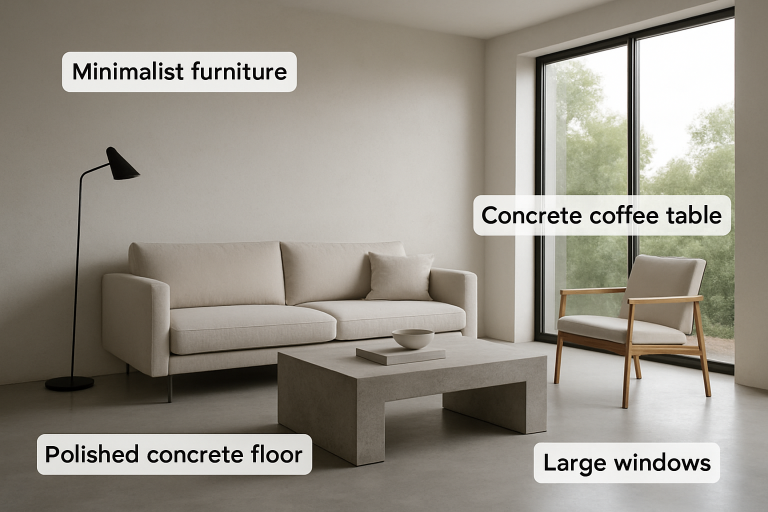
Modern homes are showcasing concrete’s raw, industrial beauty in unexpected places. Polished concrete floors deliver a lustrous, seamless surface that pairs well with a range of design motifs—from industrial chic to Scandinavian minimalism. These floors are lauded not only for their modern aesthetic but also for their practicality: they are easy to maintain, resistant to allergens, and highly durable.
In kitchens and bathrooms, concrete countertops, sinks, and even bathtubs are gaining traction. Their customizable shapes and finishes—from sleek matte to glossy polish—let homeowners craft unique focal points. Concrete can even be pigmented or inlaid with materials like glass and stone, blending artistic flair with superior functionality.
Outdoor Applications
Concrete’s resilience to weather and wear makes it ideal for outdoor living spaces. Stamped and colored concrete patios mimic the appearance of natural stone or brick at a fraction of the cost, providing versatility for creating cozy lounges or sophisticated entertaining areas. Decorative concrete driveways and pathways elevate curb appeal, while offering slip-resistant finishes that make them as safe as they are attractive. For a deeper look at the benefits and drawbacks of concrete pavers, you can explore this detailed guide from The Spruce. Around pools, textured concrete decking provides both comfort and safety, ensuring durability under frequent use and exposure to the elements..
Decorative Elements
Beyond surfaces and structures, concrete shines in smaller decorative touches that make a big impact. Minimalist vases, candleholders, lamp bases, and accent tables crafted from concrete bring contemporary elegance to home interiors. These pieces, whether DIY or custom-made, reflect the popularity of the “concrete décor” trend that’s reshaping interior styling.
Technological Advancements
Advances in homebuilding technology are unlocking new ways to use concrete with unprecedented precision. 3D printing in concrete enables the creation of complex, organic forms for walls, furniture, and decorative installations—many of which would be cost-prohibitive or impossible to achieve by hand. Additionally, innovations like smart concrete with embedded sensors are enhancing safety and efficiency by monitoring structural integrity and energy consumption in real time. This technological revolution is making concrete more dynamic than ever, serving both visionary architects and eco-conscious homeowners.
Sustainability and Eco-Friendly Practices
Concrete’s thermal mass naturally moderates indoor temperatures, reducing energy spent on heating and cooling and contributing to lower household carbon footprints. Eco-friendly variations are now being produced using recycled aggregates or supplementary cementitious materials, addressing environmental concerns surrounding traditional concrete manufacturing. Conscious design and responsible sourcing allow homeowners to benefit from concrete’s strengths while aligning with green building standards.
Combining Concrete with Other Materials
Creative design often thrives on contrast. Pairing concrete with warm wood, gleaming metals, or colorful tile produces striking juxtapositions of texture and tone. Concrete dining tables with wooden accents, kitchen islands fused with reclaimed metal, or living room floors bordered in natural stone—all demonstrate how concrete’s cool minimalism serves as a canvas for diverse styles. These combinations allow homeowners to tailor spaces that feel both personal and modern, elevating function with form.
Conclusion
As modern home design moves toward bold, sustainable, and adaptable materials, concrete continues to stand out for its creative potential and reliability. From reimagined interiors and dynamic landscaping to cutting-edge technologies and eco-forward practices, concrete’s possibilities are as vast as the imagination allows. Whether for foundations, furnishings, or fine art, concrete remains a powerful force shaping beautiful, intelligent, and durable homes for today’s lifestyles.