

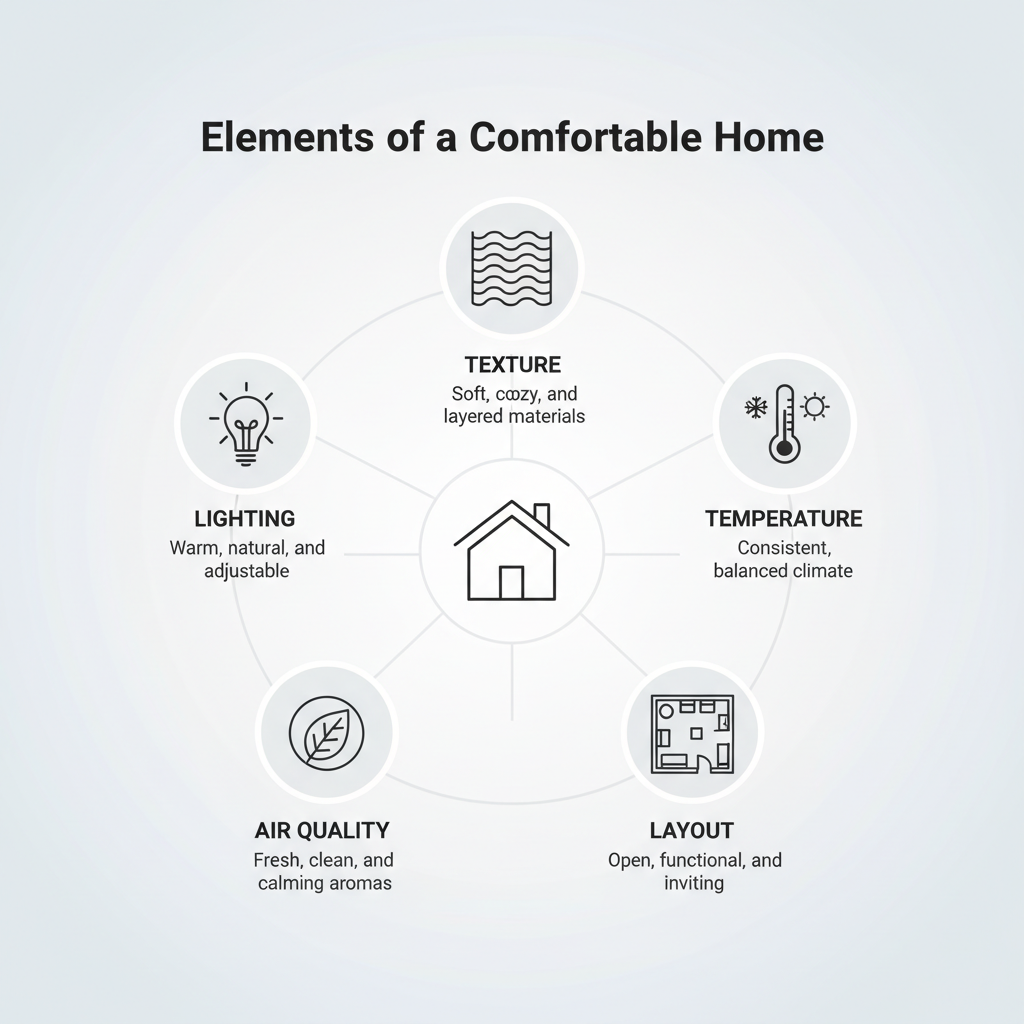
True comfort in a home extends far beyond superficial aesthetics. While a beautifully decorated space can undoubtedly contribute to a sense of well-being, the deeper foundation of comfort lies in a harmonious blend of tangible and intangible elements that cater to our physical and psychological needs. It’s about creating an environment that nurtures, protects, and refreshes us after a long day. We seek spaces that allow us to unwind, connect with loved ones, and pursue our passions without distraction or discomfort.
This holistic view of comfort encompasses several key dimensions. Visually, it involves thoughtful design, appropriate lighting, and a cohesive color palette that evokes tranquility or energy, depending on the room’s purpose. Tactile comfort is achieved through plush fabrics, soft furnishings, and textures that invite touch and relaxation. Auditory comfort means minimizing disruptive noises while perhaps incorporating soothing sounds. Olfactory comfort, often overlooked, is about pleasant scents and fresh air, free from stale odors or irritants.
However, the most fundamental layers of comfort are often unseen: the consistent temperature, the quality of the air we breathe, and the underlying functionality of our home’s essential systems. These elements work silently in the background, yet their impact on our daily lives is profound. When they are optimized, we barely notice them, but their absence quickly makes a space feel inhospitable.
A truly comfortable home is a carefully orchestrated symphony of these elements, working together to create a personal haven. It’s where every detail, from the furniture layout to the efficiency of the heating and cooling system, contributes to an overarching sense of ease and belonging. Understanding and optimizing these foundational aspects allows us to design spaces that are not just visually appealing but genuinely supportive of a comfortable and healthy lifestyle.
Creating a Home Away From Home: Comfort in Temporary Living
For many, life’s journey involves periods of temporary living, whether for extended work assignments, academic pursuits, or the exciting, albeit sometimes stressful, relocation process. During these transitions, the concept of “home” can feel elusive. Yet, the need for comfort, stability, and a sense of belonging remains paramount. Our goal, even in a temporary dwelling, is to cultivate an environment that offers respite and familiarity, changing a mere living space into a personal sanctuary.
The challenge with temporary housing, such as furnished rentals or short-term leases, often lies in its generic nature. It is designed to be universally acceptable rather than personally inspiring. However, with a thoughtful approach, we can infuse these spaces with warmth and personality, making them feel less like a temporary stop and more like a home away from home. This personalization is not just about aesthetics; it’s crucial to maintaining mental well-being and productivity when navigating new surroundings.
Consider the experience of moving to a new city for a significant period. The unfamiliarity of the streets, the new routines, and the absence of established social networks can be overwhelming. In such scenarios, having a comfortable and welcoming living space becomes an anchor. For those on extended work assignments or relocating to busy urban centers, options for a Detroit extended stay furnished apartment, for instance, provide a strong foundation. Such accommodations often come equipped with essential amenities, but the personal touches we add truly transform them. We recognize that a comfortable temporary home can significantly ease the transition, reducing stress and fostering a sense of stability when everything else feels new and uncertain. It allows us to return to a familiar, calming environment, ready to face the challenges and opportunities of a new chapter.
Maximizing Comfort in a Rented Space
Changing a sterile or impersonal rented space into one that feels like “yours” doesn’t require major renovations or breaking lease agreements. It’s all about strategic personalization and leveraging easily reversible changes. Our approach focuses on elements that can be brought in and taken out with minimal fuss, yet have a maximum impact on comfort and atmosphere.
Lighting: Rental properties often have harsh overhead lighting. We recommend introducing softer, warmer light sources. Table lamps, floor lamps, and even string lights can create cozy pockets of illumination, making a room feel more inviting. Dimmers are a fantastic, often overlooked tool for adjusting mood.
Textiles: This is perhaps the easiest and most impactful way to add comfort. Layering textiles such as throws, decorative pillows, and area rugs can soften hard surfaces and add warmth. Choose textures and colors that resonate with your personal style. Curtains, even if hung over existing blinds, can add privacy, block light, and introduce another layer of comfort.
Scents: Our sense of smell is powerfully linked to memory and emotion. Diffusers with essential oils, scented candles (used safely), or even fresh flowers can introduce pleasant aromas that make a space feel more homey and less generic.
Plants: Bringing in a few houseplants can breathe life into any room. They improve air quality, add a touch of nature, and contribute to a calming aesthetic. Choose low-maintenance varieties if you’re not known for your green thumb.
Organization and Decluttering: Clutter can create chaos and discomfort even in a temporary space. We find that establishing simple organizational systems for your belongings helps maintain order. Use temporary storage solutions like decorative baskets or stackable bins. A tidy space contributes significantly to mental clarity and relaxation.
Here are five essential items we recommend packing for personalizing a temporary rental:
- A favorite throw blanket: Instantly adds warmth and a personal touch.
- A small, portable Bluetooth speaker: For music or calming sounds.
- A few cherished photos or small art pieces: To remind you of home and loved ones.
- A scented candle or essential oil diffuser: To create a welcoming aroma.
- A personal coffee mug or tea cup: A small ritual item that brings comfort.
By focusing on these easily implementable strategies, we can transform any temporary dwelling into a comforting haven that supports our well-being during transition periods.
The Psychology of a Welcoming Environment
Beyond the tangible elements of design, a truly comfortable space taps into deeper psychological needs, fostering a sense of security, familiarity, and peace. We understand that the initial impression a living environment makes can profoundly influence our mood, stress levels, and overall ability to thrive.
The concept of a “welcoming environment” is deeply rooted in our innate desire for safety and belonging. When we step into a space that feels cared for and thoughtfully arranged, our subconscious registers it as a secure place. This immediate sense of safety helps to reduce the physiological responses associated with stress, allowing our minds and bodies to relax. It’s the difference between walking into a sterile hotel room and entering a friend’s inviting home; one signals temporary utility, the other, genuine hospitality.
Familiarity plays a crucial role in this psychological comfort. While temporary spaces might lack the long-term history of a permanent home, incorporating personal items, even small ones like a favorite book or a familiar scent, can bridge this gap. These anchors to our personal narrative create continuity and reduce the cognitive load of constantly adapting to new surroundings. This subtle connection to our past experiences helps ground us in the present, making the temporary feel less transient.
Moreover, a well-designed temporary space can positively impact productivity and mental health. When our living environment is comfortable and organized, our minds can focus on work, creativity, or simply enjoying downtime. Clutter and discomfort, conversely, can be constant low-level stressors that drain mental energy. By investing effort into creating a welcoming atmosphere, even for a short period, we are investing in our well-being. It’s about creating a backdrop that supports clarity of thought, emotional balance, and a renewed sense of purpose, helping us to steer new challenges with greater resilience.
The Unseen Pillars of Lifestyle & Home Comfort

While we often focus on decor and furnishings when thinking about home comfort, some of the most critical elements operate silently, out of sight. Yet, their influence is felt in every breath and moment we spend indoors. These are the unseen pillars: our home’s climate control system, specifically the HVAC (Heating, Ventilation, and Air Conditioning) system, and the air quality it circulates. These systems are not merely conveniences; they are fundamental to our health, well-being, and the overall functionality of our living spaces.
We recognize that a comfortable home is one where the temperature is consistently pleasant, the air feels fresh, and we don’t have to worry about excessive humidity or lingering odors. A well-functioning HVAC system essentially maintains these conditions. From the precise control offered by a modern smart thermostat to the intricate network of ducts and vents, these systems tirelessly regulate our indoor environment.
However, like any complex machinery, HVAC systems require attention. Without proper maintenance and timely repairs, their efficiency and effectiveness can degrade over time. When these systems falter, the impact on our comfort and health is immediate and undeniable. We might experience inconsistent temperatures, stuffy air, or even a sudden spike in energy bills.
Understanding the importance of these unseen pillars means acknowledging that home comfort is not just about what we see but also about what we feel and breathe. It’s about ensuring that our air is clean, the temperature is just right, and the systems responsible for this critical balance are operating at their peak. This proactive approach to home maintenance ensures that our living spaces remain true havens of comfort year-round.
Mastering Your Home’s Climate for Year-Round Comfort
Achieving consistent, ideal indoor temperatures is a cornerstone of home comfort, influencing everything from our sleep quality to our daily mood and productivity. We know mastering your home’s climate involves more than just setting a thermostat; it’s about understanding and optimizing several interconnected factors contributing to year-round comfort.
Thermostats: The heart of your climate control system, modern smart thermostats offer unparalleled precision and programmability. They allow us to set schedules, learn our preferences, and even be remotely controlled, ensuring our homes are always at the perfect temperature when needed. We often advise homeowners to use these features to their fullest potential, not only for comfort but also for energy efficiency.
Humidity Levels: Beyond temperature, humidity significantly affects how comfortable we feel. High humidity can make a warm day feel muggier and promote mold growth, while excessively low humidity can lead to dry skin, irritated sinuses, and static electricity. Integrated humidifiers and dehumidifiers, often part of a comprehensive HVAC system, help maintain optimal indoor relative humidity, typically between 30-50%.
Zoned Systems: Zoned HVAC systems are a game-changer for larger homes or those with varying heating and cooling needs across different areas. These systems allow us to independently control the temperature in various “zones” or rooms, preventing energy waste in unused regions and ensuring personalized comfort where needed most. This is particularly beneficial for homes with multiple occupants with different temperature preferences.
Seasonal Adjustments: The demands on our HVAC system change dramatically with the seasons. In Rockaway, NJ, we experience distinct hot summers and cold winters, necessitating regular adjustments and maintenance. Preparing your AC for the summer heat and your furnace for winter’s chill is crucial for uninterrupted comfort and efficiency.
Maintaining these complex systems is key to their longevity and performance. Regular professional check-ups can identify potential issues before they escalate into major breakdowns. For complex problems, professional guidance is essential. For example, a homeowner might need a specialized Speer Air AC repair Rockaway guide to ensure their home’s climate is expertly managed. Attempting DIY repairs on intricate HVAC components can often lead to further damage, more expensive fixes, and even safety hazards. We emphasize that a well-maintained system provides superior comfort and operates more efficiently, saving you money on utility bills and extending the lifespan of your equipment.
Breathing Easy: The Critical Role of Indoor Air Quality
The air we breathe inside our homes is often more polluted than the outside air, yet its quality is frequently overlooked when considering home comfort. Breathing easily is a fundamental aspect of a healthy and comfortable lifestyle, and it’s critically dependent on the performance of our HVAC system and proactive indoor air quality (IAQ) measures.
Air Purification: Our homes can harbor a surprising array of pollutants, including dust, pollen, pet dander, mold spores, volatile organic compounds (VOCs) from cleaning products and furnishings, and even bacteria and viruses. Air purification systems, ranging from advanced HEPA filters in your HVAC unit to standalone air purifiers, work to remove these contaminants, significantly improving IAQ. We often recommend that whole-home air purification be integrated into the HVAC system for comprehensive coverage.
Ventilation: Proper ventilation is essential for bringing fresh outdoor air into our homes and expelling stale, polluted indoor air. Modern homes are often tightly sealed for energy efficiency, which, while suitable for insulation, can trap pollutants indoors. Energy recovery ventilators (ERVs) and heat recovery ventilators (HRVs) can introduce fresh air without significant energy loss, maintaining air quality and temperature control.
Allergen Reduction: For individuals suffering from allergies or asthma, indoor air quality is not just about comfort but about health. A well-maintained HVAC system with high-efficiency filters can dramatically reduce airborne allergens. Regular duct cleaning also plays a role in removing accumulated dust and allergens from the air distribution system.
Common Pollutants and Their Sources: We educate homeowners about familiar sources of indoor air pollution, which can include:
- Pet Dander: From beloved furry friends.
- Dust Mites: Thrive in bedding, carpets, and upholstered furniture.
- Mold and Mildew: Resulting from excess humidity or water leaks.
- VOCs: Emitted from paints, new furniture, cleaning supplies, and air fresheners.
- Combustion Byproducts: From gas stoves, fireplaces, and tobacco smoke.
Signs of Poor Air Quality: We encourage homeowners to be aware of signs indicating poor IAQ. These can include:
- Persistent dust: A constant layer of dust, even after cleaning.
- Lingering odors: Stale smells that don’t dissipate.
- Increased allergy symptoms: More sneezing, coughing, or congestion indoors.
- Stuffiness or lack of fresh air sensation.
- Visible mold growth.
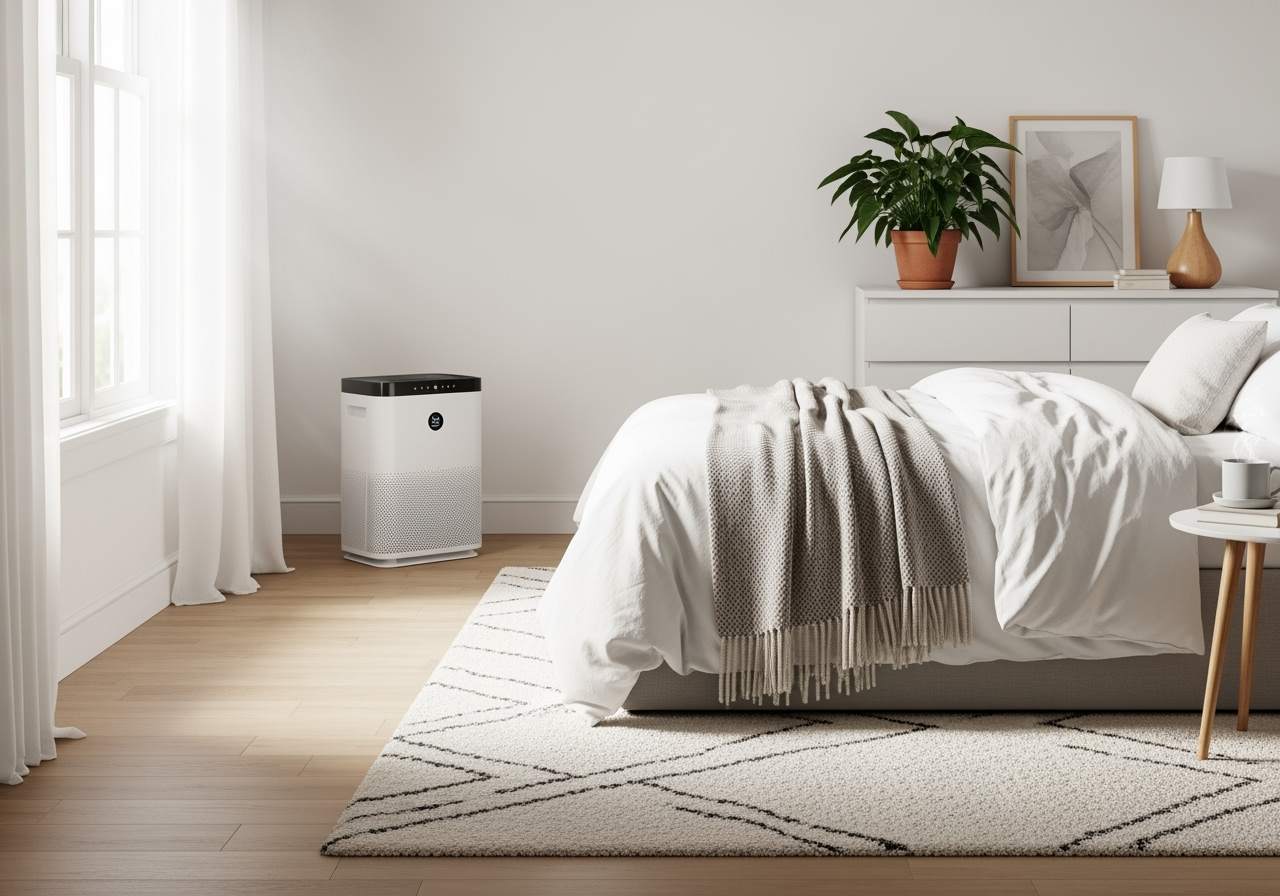
The connection between a well-maintained HVAC system and healthy indoor air is undeniable. Your AC and heating system isn’t just for temperature control; it’s a crucial component of your home’s respiratory system. Regular filter changes, professional duct cleaning, and timely repairs ensure that your system is not only cooling or heating effectively but also actively contributing to a cleaner, healthier, and ultimately more comfortable indoor environment for you and your family.
Designing a Sanctuary: The Cozy Nursery
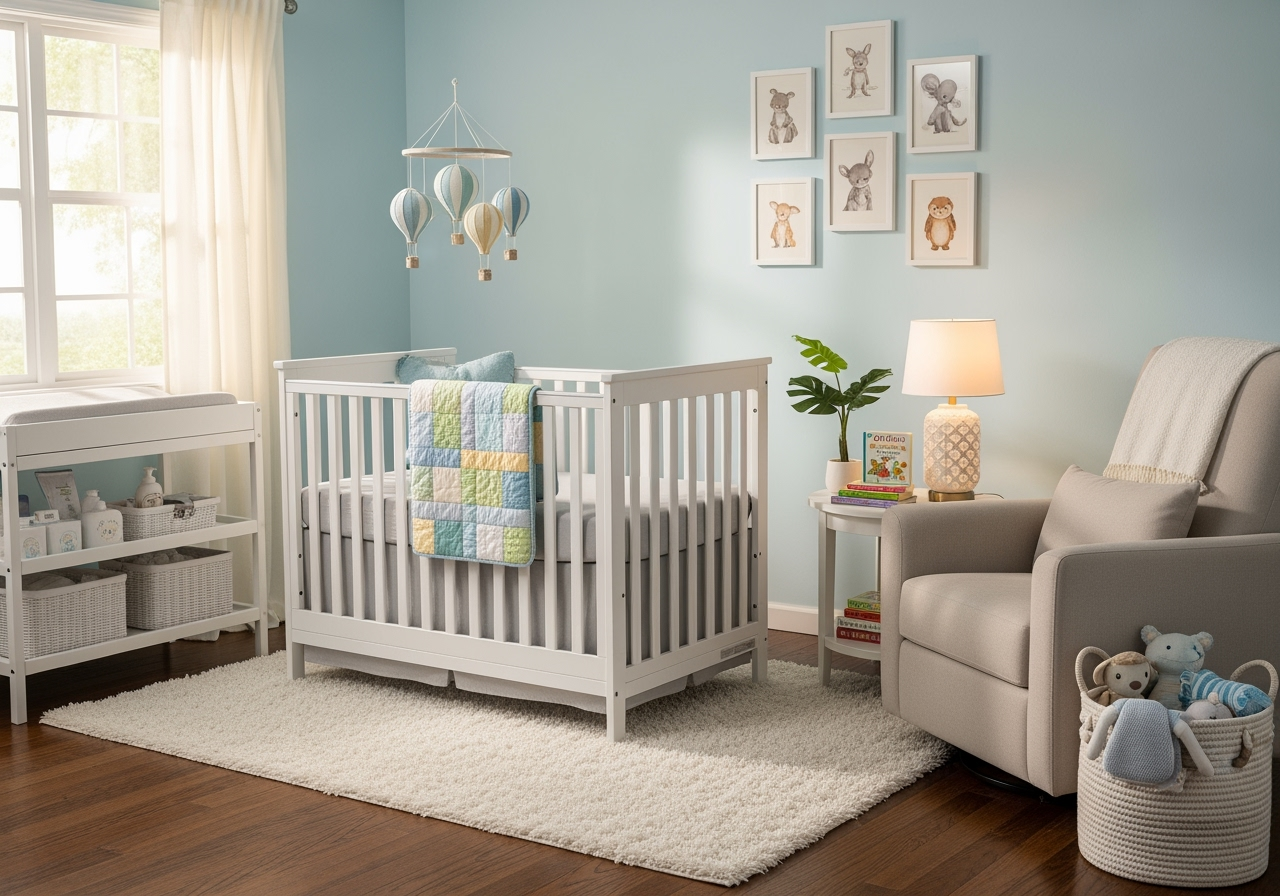
The arrival of a new baby is a momentous occasion, often accompanied by the joyful task of preparing their first dedicated space: the nursery. We approach nursery design not just as an aesthetic endeavor, but as creating a sanctuary – a place that prioritizes babies’ comfort, fosters their development, and provides a calm, functional environment for parents. The goal is to design a space that is not only visually pleasing but also deeply soothing and conducive to rest and growth.
A cozy nursery blends soft aesthetics and practical considerations. It’s a room where every element, from the color on the walls to the texture of the blankets, contributes to an atmosphere of peace and security. We understand that newborns’ environment is their entire world, and a well-designed nursery can significantly impact their early experiences. This involves careful selection of materials, thoughtful arrangement of furniture, and an unwavering focus on safety.
Beyond the baby’s immediate needs, the nursery also serves as a crucial space for parents. It’s where countless hours will be spent feeding, comforting, and bonding. Therefore, the design must also cater to adult comfort and functionality, ensuring that everything needed is within easy reach and comfortable resting spots. Creating this dual-purpose sanctuary requires a holistic approach, considering both the tiny inhabitant and the loving caregivers who will spend so much time within its walls. It’s about building a nest that supports the entire family during this precious and transformative period.
Essential Elements for a Soothing Nursery
Creating a truly soothing nursery involves a thoughtful selection of items catering to the baby’s needs and the parents’ comfort. We focus on elements that promote rest, safety, and a calm atmosphere.
Blackout Curtains: Crucial for promoting healthy sleep patterns, blackout curtains block out light, making nap times and early bedtimes easier to manage, regardless of the time of day. They also help regulate room temperature, keeping the nursery cooler in summer and warmer in winter.
Sound Machine: A white noise or sound machine can mimic the comforting sounds of the womb or mask household noises, helping babies fall asleep faster and stay asleep longer. Look for models with various sound options and adjustable volume.
Safe Crib: The crib is the nursery’s centerpiece and must meet current safety standards. We always emphasize choosing a sturdy crib with a firm mattress that fits snugly, leaving no gaps where a baby could get trapped. Ensure there are no drop sides and that the mattress height is adjustable.
Comfortable Seating: A glider, rocking chair, or comfortable armchair is indispensable for late-night feedings, lullabies, and quiet bonding moments. This furniture should be supportive, comfortable, and ideally have armrests.
Soft Textiles: Layering soft textiles adds warmth, texture, and visual appeal. Think gentle crib sheets, breathable swaddles, and cozy blankets. When considering layering for temperature regulation, from swaddles to Comfortable home pram sleeping bags, ensure all items are made from breathable, natural fibers to prevent overheating. These items make the space feel more inviting and provide tactile comfort for the baby.
Gentle Lighting: Incorporate soft, dimmable lighting options besides blackout curtains. A nightlight that provides just enough illumination for nighttime checks without disturbing sleep or a lamp with a warm glow can create a peaceful ambiance.
Storage Solutions: Practical storage is key to maintaining a calm and organized nursery. Dressers, shelving units, and baskets help keep clothes, diapers, toys, and other essentials neatly tucked away, reducing visual clutter and making daily routines smoother.
By carefully selecting and arranging these essential elements, we can create a nursery that is not only beautiful but also highly functional, safe, and deeply comforting for both baby and parents.
A Focus on Safety and Serenity in Your Nursery’s Lifestyle & Home Comfort
While aesthetics and coziness are important in nursery design, we emphasize safety and serenity. Creating a space that is truly safe for a baby, while also fostering a calm atmosphere for both child and parent, requires meticulous attention to detail and adherence to best practices.
Non-Toxic Materials: We advocate for using non-toxic and low-VOC (volatile organic compound) paints, finishes, and furnishings. Babies spend a lot of time in their cribs and on the floor, and their developing systems are particularly vulnerable to harmful chemicals. Opting for natural materials like organic cotton, wool, and solid wood can significantly reduce exposure to potential irritants and toxins.
Cordless Blinds: Window coverings with cords pose a serious strangulation hazard for infants and toddlers. We strongly recommend installing cordless blinds, shades, or curtains to eliminate this risk. Safety should always supersede style regarding window treatments in a nursery.
Anchored Furniture: Heavy furniture, such as dressers, bookshelves, and changing tables, must be securely anchored to the wall using anti-tip kits. As babies grow and become more mobile, they will inevitably pull themselves up and explore, making furniture tip-overs a significant danger. This simple step can prevent serious injuries.
Proper Ventilation: Maintaining good indoor air quality is paramount in a nursery. Ensure the room has adequate ventilation to prevent the buildup of airborne pollutants, allergens, and excessive humidity. While a ceiling fan can help circulate air, avoid directing it straight onto the baby. If you have an HVAC system, ensure its filters are clean and consider an air purifier designed for nurseries to improve air purity further. A well-ventilated room also helps regulate temperature, contributing to the baby’s comfort and reducing the risk of overheating.
Minimal Clutter: A serene environment is often clutter-free. While toys and books are essential for development, we suggest rotating them and keeping only a few accessible at a time. Excessive visual stimulation can be overwhelming for infants. Storage solutions that keep items neatly out of sight contribute to a peaceful aesthetic and a safer play area.
Temperature Regulation: Consider the nursery’s specific temperature needs beyond the HVAC system. Babies are more sensitive to temperature fluctuations. We recommend keeping the nursery at a consistent, comfortable temperature, typically between 68-72°F (20-22°C), and dressing the baby in layers rather than relying on heavy blankets, which can be a suffocation risk. A room thermometer can help monitor the exact temperature.
By integrating these safety measures with thoughtful design choices, we can create a nursery that is a haven of comfort and beauty and, most importantly, a secure and healthy environment where a baby can thrive and parents can feel at ease.
Frequently Asked Questions about Lifestyle & Home Comfort
How can I improve my home’s comfort on a budget?
Improving home comfort doesn’t always require a significant investment. We suggest starting with simple, impactful changes. Focus on decluttering to create a sense of spaciousness and calm. Add soft textiles like pillows and throws to seating areas for immediate coziness. Incorporate pleasant scents through diffusers or natural elements like fresh herbs. Maximizing natural light by cleaning windows and using sheer curtains can brighten a space, and changing light bulbs to a warmer color temperature can create a more inviting ambiance, especially in the evenings.
What is the ideal temperature for a comfortable home?
While personal preference varies, most experts and our experience suggest that an ideal temperature range for a comfortable home is typically between 68 and 72 degrees Fahrenheit (20-22 degrees Celsius) during the day. For sleeping, a slightly cooler temperature, often around 65 degrees Fahrenheit (18.3 degrees Celsius), is generally recommended as it can promote better rest. Factors like humidity, clothing, and activity levels can also influence how a specific temperature feels.
How often should I check my home’s air filters?
We advise checking your air filters monthly to maintain optimal indoor air quality and your HVAC system’s efficiency. They should be replaced at least every three months, or even more frequently if you have pets, allergy sufferers in the home, or live in an area with high dust or pollution. A clean filter ensures good airflow, prevents dust and allergens from circulating, and reduces strain on your HVAC unit, potentially extending its lifespan and lowering energy consumption.
Conclusion

As we’ve explored, designing for comfort is a multifaceted journey, extending from the practicalities of temporary living to the delicate creation of a baby’s first room. True comfort is built upon a foundation of thoughtful design, psychological well-being, and critically, the unseen pillars of our home’s essential systems. Whether infusing a rented space with personality, ensuring our HVAC system provides optimal climate control and pristine indoor air quality, or carefully crafting a safe and serene nursery, every decision contributes to a larger mix of well-being.
Our homes, whether temporary or permanent, are more than just structures; they are reflections of our desire for peace, security, and happiness. We can create environments that truly nurture us by understanding the interplay between tangible design choices and the silent, powerful work of our heating, ventilation, and air conditioning systems. Designing for comfort is about creating a personal haven – a place where we can relax, recharge, and thrive, supporting the health and happiness of everyone within its walls.