

Protecting your home and garden from invasive pests isn’t a one-time effort—it requires a proactive, year-round plan. Each season brings unique pests and pest pressures, calling for different tactics to keep your property safe and healthy. Whether you’re contending with spring aphids or winter rodents, understanding the timing and appropriate intervention is essential. For homeowners seeking professional assistance in high-risk areas, these pest control solutions provide targeted expertise precisely where it’s needed most.
By adapting your approach to the changing seasons, you can effectively deter pests, reduce damage, and enjoy a safer, cleaner environment. Combining prevention, eco-friendly controls, and professional support ensures you’re always ready for the next pest challenge.
Spring: Preparation and Prevention
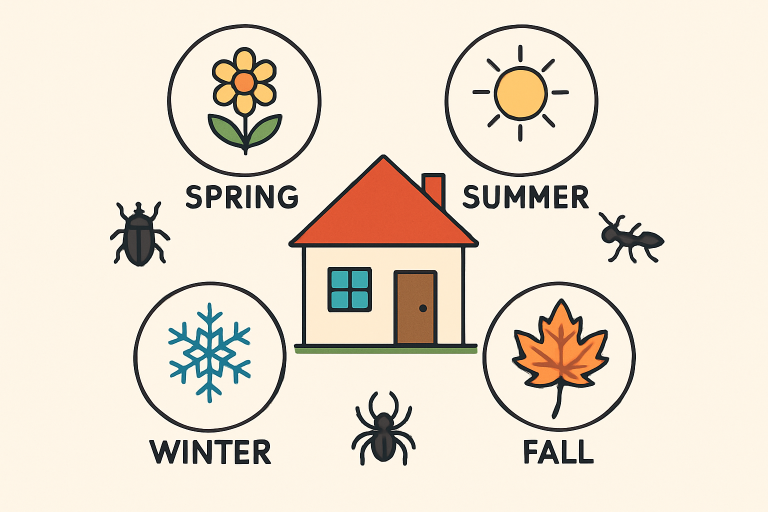
Spring marks the time when warmer air triggers the activity of various garden pests, including aphids, slugs, and cutworms, which can significantly threaten new plant growth. Early signs of infestation should prompt immediate action to prevent severe outbreaks later. Partnering with professionals who provide pest control solutions for Weston can enhance your garden protection plan by ensuring pests are managed safely and effectively. Effective management strategies include applying neem oil or insecticidal soap to combat aphids, using cardboard collars to protect seedlings from cutworms, and trapping slugs in beer-filled dishes or using diatomaceous earth to deter them. Routine inspections of the garden are crucial for identifying pest problems early, allowing for a more targeted pest control approach while safeguarding beneficial insect populations.
Summer: Vigilance and Control
Summer heat increases pest populations, particularly those that are harmful to fruits, vegetables, and ornamentals. Pests such as Japanese beetles, tomato hornworms, and spider mites can cause rapid damage to plants. Vigilance and immediate control actions are essential. Japanese beetles can be removed by hand in the morning and treated with pyrethrin-based sprays if necessary. Tomato hornworms require daily scanning and handpicking, with the introduction of natural parasites such as wasps for control. Spider mites can be managed by increasing humidity through the use of water sprays and applying insecticidal soap for severe infestations. Prompt monitoring and intervention are crucial to minimize crop loss, and effective communication with garden partners is advised to reinforce preventive measures during vulnerable months.
Fall: Sealing and Cleanup
As temperatures decrease, various pests, including rodents and cockroaches, seek warm places to overwinter, frequently choosing to invade homes. To effectively combat this issue, homeowners should focus on exclusion strategies and thorough yard maintenance. Key actions include sealing cracks and gaps in siding, around windows, doors, and utility entry points using weatherproof caulking or steel wool. Additionally, it is crucial to remove leaves, compost, and dead plant debris from yards, gardens, and the home’s perimeter. By making living spaces less hospitable, homeowners can minimize pest invasions during the colder months and reduce pressure on pest populations for the spring season. The U.S. Environmental Protection Agency provides further guidance on effective sealing techniques and pest management practices.
Winter: Monitoring and Maintenance
During winter, while outdoor pests often become dormant, indoor pests like rodents, pantry moths, and cockroaches can proliferate, especially in cluttered or undisturbed areas. To combat this, a winter strategy should focus on cleanliness and regular inspections. It is essential to frequently check stored food and firewood for signs of gnawing or pest infestation. Maintaining cleanliness in kitchens, pantries, and basements is crucial for reducing potential food sources and hiding spots for pests seeking warmth and shelter. Staying vigilant during the offseason can prevent minor pest issues from escalating into larger problems.
Integrated Pest Management (IPM)
Integrated Pest Management (IPM) is a comprehensive strategy for effective pest control that emphasizes safety and environmental health. It involves routine monitoring to identify pests early, using physical controls such as barriers and traps, supporting natural biological controls through the use of beneficial insects, and applying chemical controls only as a last resort. This layered approach minimizes chemical use, maintains ecological balance, reduces pest resistance, and protects non-target species.
Natural Pest Control Methods
Eco-friendly gardening tools are gaining popularity among homeowners who aim to reduce their use of chemicals. These natural techniques create unwelcoming environments for pests through various methods: utilizing beneficial insects like ladybugs and lacewings that prey on soft-bodied pests such as aphids; engaging in companion planting with marigolds and basil, which help deter nematodes and certain insects; and implementing physical barriers like row covers and netting to protect crops from insect invasions. This approach emphasizes biodiversity and preventive methods, promoting a healthy garden while preserving the surrounding ecosystem.
When to Seek Professional Help
If pest issues recur, threaten health and safety, or prove too complex to handle alone, contacting a certified pest management professional is your best option. Experts diagnose, treat, and prevent future infestations with proven solutions and local expertise, saving you frustration and preventing costly damage.
Conclusion
Year-round pest management isn’t about reacting to problems as they arise—it’s about anticipating pest pressures, applying the right strategies for the season, and maintaining control through prevention and vigilance. By combining targeted actions, natural controls, and professional interventions as needed, you can create a healthy, pest-free environment to enjoy throughout every season.