

Table of Contents
- Regular Eye Exams
- Balanced Diet
- Protective Eyewear
- Screen Time Management
- Physical Activity
- Avoid Smoking
- Manage Health Conditions
- Adequate Sleep
Maintaining optimal eye health is vital for people of all ages. Your ability to see impacts how you experience every moment of life, affecting your independence, ability to work or study, and confidence in daily activities. Taking proactive steps early and consistently throughout your life can help you preserve your eyesight and avoid debilitating eye conditions as you age. Simple habits, such as wearing protective eyewear and maintaining a balanced diet, combined with regular preventive care from eye care professionals, are effective strategies for maintaining clear vision for years to come. For those seeking specialized local care, Tallahassee Retina and Cornea Care offers expert services and guidance to help you protect your eye health, regardless of your age or risk factors.
Issues like blurred vision, persistent eye strain, or increased sensitivity to light can signal potential problems with your eyes and should not be ignored. Whether you spend hours at a computer for work or school, enjoy outdoor activities under the sun, or manage a chronic condition like diabetes, prioritizing your vision is essential. Healthy eyes play a significant role in your overall quality of life, supporting cognitive function, daily independence, and emotional well-being. Below, you’ll find actionable advice for every age group designed to keep your eyes functioning at their best and help you enjoy a lifetime of clear sight.
Regular Eye Exams
Routine comprehensive eye exams are the foundation of excellent eye health. Many serious eye diseases, like glaucoma and age-related macular degeneration, progress painlessly and without apparent warning signs in their early stages. This means you may not notice changes until significant vision loss has occurred, making regular screenings crucial for early detection. Early identification of problems through scheduled exams enables prompt treatment and interventions, which can be essential for preventing irreversible vision loss and maintaining your quality of life. The American Academy of Ophthalmology recommends annual or biennial eye exams for adults, and more frequent visits for individuals with existing eye conditions, a family history of eye disease, or specific risk factors, such as diabetes. Parents should ensure that children receive regular eye exams as part of routine pediatric care, as early intervention can address vision problems that affect development and learning.
Balanced Diet
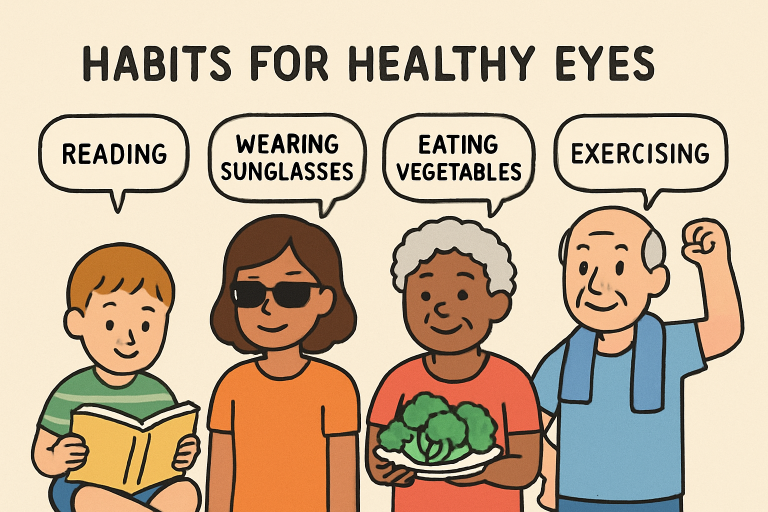
What you eat plays a direct role in the long-term health of your eyes. Consuming a nutrient-rich diet supports eye function, protects against disease, and helps you maintain clear vision as you age. Foods such as leafy greens (spinach, kale), brightly colored vegetables (carrots, bell peppers), beans, whole grains, and omega-3-rich fish (like salmon, mackerel, and tuna) provide essential nutrients for eye health. Antioxidants, including lutein, zeaxanthin, and vitamins C and E, are potent in reducing the risk of chronic eye conditions by helping combat free radical damage to eye tissues. For example, vitamin A supports night vision and ocular surface health, while zinc is crucial for retinal function. A study conducted by the National Eye Institute found a strong connection between good nutrition and the prevention of age-related macular degeneration—a leading cause of vision loss in older adults. Maintaining a healthy diet also helps control weight, which in turn lowers your risk for diabetes and high blood pressure, two significant causes of vision loss.
Protective Eyewear
Long-term exposure to ultraviolet (UV) light significantly increases your risk of cataracts, growths on the eye, and even certain cancers. Whenever you are outdoors—whether at the beach, driving, or running errands—wear sunglasses that block 99% to 100% of both UVA and UVB rays, as standard sunglasses may not offer sufficient protection. Wrap-around styles or glasses with wide lenses help shield your eyes from peripheral light and debris. In addition to sun protection, don’t forget to guard your eyes during activities such as sports, yard work, construction, or when working with chemicals or power tools. Shatter-resistant safety goggles or shields can prevent both minor injuries from dust or debris and more serious trauma. Children and adults alike benefit from the proper protective eyewear, which minimizes everyday hazards and preserves long-term vision and eye comfort.
Screen Time Management
With digital screens now central to work, school, and leisure, digital eye strain—or computer vision syndrome—has become increasingly common. Symptoms include dry eyes, irritation, headaches, blurry vision, and even neck or shoulder pain from poor posture. To prevent discomfort and protect your vision, follow the 20-20-20 rule: every 20 minutes, look at an object at least 20 feet away for at least 20 seconds. This regular break relaxes the eye muscles and helps prevent fatigue. Position screens at eye level and approximately an arm’s length away, and adjust the lighting to minimize glare. Blink frequently to help maintain moisture on the eye surface, and consider using artificial tears if you work in a dry environment. These small lifestyle changes can make extended screen use significantly more comfortable and help sustain your eye health over time.
Physical Activity
Just like the rest of your body, your eyes benefit from regular physical activity. Exercise enhances blood circulation, which is essential for maintaining healthy eye pressure and ensuring proper nourishment of the optic nerve and retina. Improved circulation helps lower the risk of eye conditions such as glaucoma and diabetic retinopathy, both of which can cause irreversible vision loss if left unmanaged. The Centers for Disease Control and Prevention recommends that adults aim for at least 150 minutes of moderate-intensity exercise per week, including activities like brisk walking, swimming, or cycling. Beyond eye health, regular physical activity supports healthy body weight and reduces the likelihood of systemic conditions such as diabetes and hypertension, which can adversely affect vision. For children and teenagers, daily exercise is crucial not only for eye development but also for overall growth, fitness, and long-term health.
Avoid Smoking
Smoking poses a serious threat to eye health, significantly increasing the risk of several sight-threatening conditions such as age-related macular degeneration, cataracts, and optic nerve damage. The harmful chemicals in tobacco smoke contribute to oxidative stress and accelerate degenerative changes in ocular tissues, which can lead to partial or complete vision loss over time. Alarmingly, even passive exposure to smoke—commonly known as secondhand smoke—can negatively affect eye health, particularly in vulnerable groups like children and older adults. Quitting smoking at any stage of life can substantially reduce these risks, supporting healthier eyes and better overall well-being. For those finding it challenging to stop, numerous resources are available, including support groups, professional counseling, and structured smoking cessation programs offered by healthcare providers. Utilizing these tools can improve both long-term vision and overall health, making cessation a crucial step toward achieving lasting wellness.
Manage Health Conditions
Chronic health problems such as diabetes, hypertension, and autoimmune disorders can damage blood vessels in the eyes, leading to vision impairment or blindness if left untreated. For instance, diabetic retinopathy is a leading cause of blindness in working-age adults and is directly related to uncontrolled blood sugar levels. Managing your blood sugar, blood pressure, and cholesterol through a combination of medication, a balanced diet, regular physical activity, and routine healthcare appointments helps prevent these complications. Early intervention and ongoing disease management, in coordination with your primary care physician and specialist eye doctor as needed, are crucial for preserving your vision and minimizing the risk of preventable vision loss. Regularly monitoring and managing these conditions not only supports your overall health but also plays a crucial role in long-term eye health preservation.
Adequate Sleep
Consistently getting sufficient sleep is essential for keeping your eyes comfortable, well-lubricated, and functioning optimally. When you don’t rest enough, the eyes are unable to fully recover from daily visual demands, which can lead to strain, dryness, twitching, and heightened sensitivity when using digital devices. These issues not only create discomfort but may also temporarily affect your ability to see clearly. Although sleep needs vary from person to person, most adults benefit from 7–9 hours of sleep each night to maintain proper tear production and allow natural repair processes to occur within the eye tissues. Adequate sleep also strengthens the immune system, offering protection against inflammation, irritation, and common eye infections. For children and teenagers—whose eyes are still developing—sleep plays a particularly critical role, promoting healthy visual growth, sharper focus, and stronger overall eye function as they learn and mature.
Conclusion
Integrating these evidence-based habits into your everyday life offers long-lasting protection for your eyes, regardless of age. Simple practices—such as choosing nutrient-rich foods like leafy greens, citrus fruits, and omega-3 sources—help nourish the eyes from within. Wearing sunglasses with proper UV protection and using safety eyewear during work or hobbies shields your eyes from preventable damage. Scheduling routine eye exams allows specialists to detect issues early, when treatment is most effective. Staying physically active supports overall circulation, which also benefits ocular health.
Additionally, managing chronic conditions such as diabetes or hypertension can significantly reduce the risk to your vision. Take advantage of available resources, including eye care professionals, educational materials, and local community programs focused on wellness. By consistently applying these steps, you can safeguard your vision, reduce future complications, and enjoy a clearer, brighter view of the world for many years ahead.