

Key Takeaways
- Adaptability and cultural intelligence are critical for leading diverse international teams.
- Emotional intelligence and empathy drive effective team dynamics, enabling conflict resolution.
- Technological proficiency and ethical judgment allow for responsible innovation and global competitiveness.
- Lifelong learning, self-awareness, and strategic communication are key characteristics that distinguish top-performing global leaders.
As the global marketplace becomes more interconnected, the capacity to lead beyond borders is no longer just a desirable trait—it’s a necessity. Leaders must be equipped to tackle new challenges that arise from operating across multiple countries, cultures, and technologies. Engaging in professional programs such as an International Administration masters degree online can foster strong managerial skills while honing your ability to lead in diverse and dynamic environments.
Thriving in international leadership means not only adapting to rapid transformations but also leveraging cultural insights, emotional intelligence, and technological acumen to drive lasting success. Today’s leading executives are expected to foster ethical behavior, promote continuous growth, and make innovative decisions across a diverse array of global teams and stakeholders. This article outlines the critical skills necessary to achieve impactful leadership on the world stage—whether your team is based in Berlin, Bogotá, or Beijing.
With ongoing shifts in technology and workplace norms, prioritizing ethical strategies and lifelong learning are equally important as traditional management skills. Navigating complex business ecosystems also requires the finesse of clear communication, as well as the vision to make strategic decisions that align with long-term organizational objectives.
Developing and refining these capabilities will not only benefit your own career but also instill motivation, trust, and innovation among your colleagues as your organization grows internationally. Understanding these foundational competencies can make the difference between short-term success and sustainable global impact.
Adaptability and Change Management
Global volatility and frequent organizational shifts call for leaders who can remain calm, agile, and resilient. Adaptable leaders quickly adjust strategic priorities without losing sight of their overarching goals, ensuring team alignment during times of uncertainty. Mastery in change management—the ability to drive and support teams through transitions—safeguards productivity and engagement against external disruptions and regulatory shifts. Effective leaders who thrive amidst change consistently nurture a growth mindset, welcoming innovation and opportunity even in turbulent times. For further reading on adaptability and future leadership demands, visit Harvard Business Impact.
Cultural Intelligence
Leadership in a global setting requires high cultural intelligence—an understanding of the values, customs, and business etiquette that vary by region. Cultural intelligence (CQ) enables leaders to facilitate collaboration, navigate conflict, and build genuine relationships within cross-cultural teams. Recognizing and adapting to unique communication styles, work behaviors, and expectations allows for smoother project delivery, increased morale, and overall stronger performance. Leaders who prioritize CQ set the foundation for trust and innovation within diverse organizations.
Emotional Intelligence and Empathy
Emotional intelligence (EQ) is central to motivating teams and steering organizations through complex challenges. Leaders with high EQ demonstrate keen self-awareness, regulate their reactions under pressure, and practice empathy by recognizing others’ needs and perspectives. This competency is crucial for mediating conflicts and uniting multicultural teams under shared objectives. Research from Harvard Business Impact shows that emotionally intelligent leaders are consistently more effective in engaging teams and executing successful change initiatives on a global scale.
Technological Proficiency
Rapid technological advancements—from artificial intelligence to digital collaboration platforms—are transforming the way organizations operate worldwide. Leaders must be keenly aware of new technologies, discerning their effectiveness and ethical implications for business solutions. Developing digital fluency and strategic implementation skills ensures both competitive advantage and a resilient, future-ready team. Encouraging tech-enabled innovation while remaining vigilant to data privacy and security issues is essential to maintaining trust and operational excellence.
Ethical Leadership
Effective international leadership is grounded in integrity and ethical judgment. The accelerated adoption of automation and AI heightens the need for transparency, fairness, and responsibility. Ethical leaders establish clear guidelines to ensure the well-being of employees, customers, and society while holding teams accountable. By proactively addressing ethical dilemmas and integrating responsible practices into their operations, leaders not only mitigate risk but also inspire loyalty and respect across their markets.
Continuous Learning and Self-Awareness
The pace of globalization and digital disruption requires leaders to be lifelong learners who identify and address their own knowledge gaps. A commitment to continuous learning and introspective self-assessment fosters resilience and growth, both personally and organizationally. Awareness of one’s strengths, weaknesses, and biases supports effective decision-making and empowers leaders to model a culture of curiosity and development among their teams. Regularly seeking feedback, engaging in formal education, and reflecting on performance are vital practices for evolving alongside global markets.
Effective Communication
In today’s multicultural and multilingual workplaces, effective leadership depends on the ability to communicate with both clarity and empathy. Leaders who master these skills can convey an organization’s vision and objectives in ways that resonate across diverse teams, thereby reducing the risk of misinterpretation and misalignment. By simplifying complex concepts, customizing messages for varied cultural and linguistic backgrounds, and actively listening to team members, leaders create an inclusive environment that encourages engagement and collaboration. Such approaches not only strengthen trust and mutual understanding but also empower individuals from different backgrounds to contribute meaningfully. Ultimately, thoughtful communication in diverse settings ensures that all team members remain aligned, motivated, and focused on achieving shared organizational goals while respecting cultural nuances and differences.
Strategic Thinking and Decision-Making
Leaders must strike a balance between analytical rigor and creative problem-solving to convert complex global data into actionable strategies. Strategic thinking enables leaders to anticipate trends, identify new opportunities, and adapt to shifting business models. Entrepreneurial decision-making—characterized by prudent risk-taking and visionary insight—increases the odds of organizational agility and innovation, distinguishing successful international leaders in a competitive world.
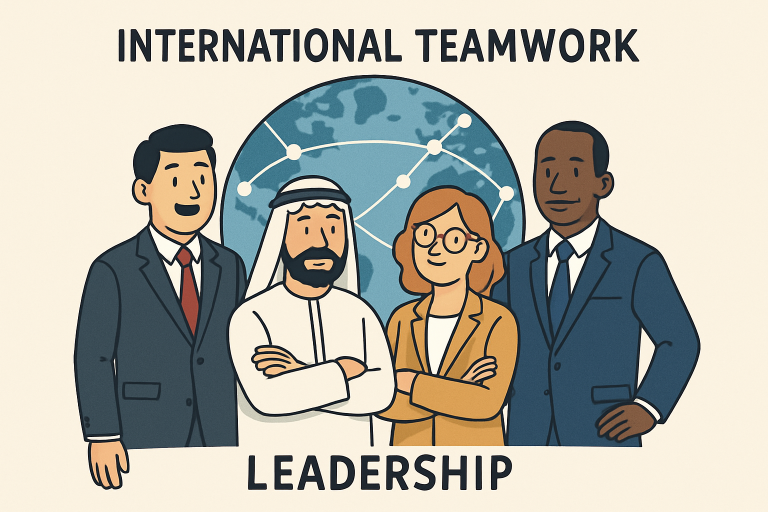
Ultimately, international leadership is not just about managing differences—it’s about appreciating them as sources of strength and opportunity. By cultivating adaptability, cultural and emotional intelligence, technological prowess, ethical integrity, a learning-oriented mindset, skilled communication, and strategic vision, leaders can drive their teams and organizations to transcend local boundaries and achieve exceptional global impact.