

Key Takeaways
- Regular window maintenance helps eliminate drafts and minimize energy loss.
- Clean windows let in more sunlight, reducing your need for artificial lighting and helping you save energy.
- Sealing and insulating windows improves temperature stability in the home.
- Timely repairs help extend the useful life of your windows.
Maintaining your windows is about more than simply wiping them clean. It’s an important step that enhances both your home’s comfort and energy efficiency. When you make window care a priority, you not only keep drafts at bay but also help reduce energy costs while prolonging your window’s longevity. For homeowners looking for efficient ways to care for their investment, cost-effective window screen repair can be a smart solution to keep windows in top condition without replacing them entirely.
All too often, neglected windows become sources of energy loss and discomfort. A proactive approach to maintenance means fewer surprises, lower utility bills, and a home that feels just right in every season. Ensuring that your windows perform optimally will let you enjoy more natural light, improved temperature control, and lasting structural integrity throughout your living space.
Routine window maintenance benefits your home’s energy efficiency. It also supports healthier indoor air quality by sealing out dust and allergens, while clean windows maximize views and natural daylight. Timely repairs can spare you the expense of costly overhauls and keep your windows functioning efficiently for years.
Whether your goal is to boost your home’s interior comfort or save money on heating and cooling, understanding the fundamentals of window maintenance is essential. Let’s explore how regular cleaning, repairs, sealing, and even upgrading windows can be the key to making your space more energy-efficient and inviting.
The Importance of Window Maintenance
Windows are crucial to your home’s ability to retain heat in winter and stay cool in summer. According to the U.S. Department of Energy, 25% to 30% of a home’s heating and cooling energy can be lost through poorly maintained windows. Regular care ensures that windows do what they are meant to do: insulate your home and keep utility bills manageable. When windows are well-maintained, you will notice a difference in comfort and see savings add up over time.
Cleaning Windows for Maximum Efficiency
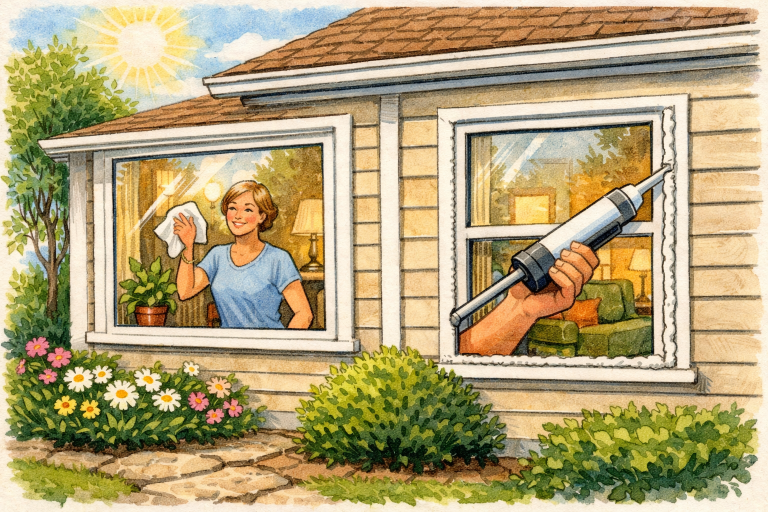
Clean glass not only makes a home look brighter but also lets more sunlight in and naturally warms the interior. During winter, this can lead to noticeable reductions in heating costs. Regular cleaning prevents grime and buildup that can obscure natural light. Use non-abrasive cleaners and soft cloths to avoid scratching the glass or damaging the window’s frame and hardware. Removing dirt also preserves your window’s structural components and finishes, which can otherwise deteriorate quickly if left untouched.
Don’t forget to clean window sills, tracks, and screens as well. Dust and debris tend to gather in these often-neglected areas, hindering proper window operation and ventilation. By taking just a few additional minutes to include these components in your cleaning routine, you help ensure smooth opening and closing, promote healthier airflow, and reduce the risk of mold or mildew from trapped moisture. Properly cleaned screens also prevent insects from entering your home in warmer months, which can greatly improve comfort inside the house.
Additionally, the choice of cleaning solutions plays a significant role in maintaining window clarity and long-term functionality. When cleaning glass, it’s advisable to use a mixture of water and mild dish soap, or a vinegar-based solution, to effectively remove grease and fingerprints without leaving streaks. For persistent stains or mineral deposits, commercial window cleaners specially formulated for tough buildup can provide professional-level results. Be mindful to avoid any product containing ammonia, especially on windows with tinted film or specialty coatings, as it may cause fogging or premature wear. Incorporate a routine cleaning schedule based on local conditions; homes near busy roads or in areas with high pollen count may require more frequent attention to prevent the buildup of grime or allergens.
Sealing and Insulating to Prevent Air Leaks
Air leaks happen when the seals around windows fail due to age or weather exposure. Caulking and weatherstripping should be inspected at least once a year. If gaps are detected, remove worn material and replace it with high-quality, exterior-grade products. A well-sealed window blocks out cold drafts in winter and keeps cool air inside during summer, making your HVAC system more efficient and your home easier to live in.
Pay special attention to older wooden frames and sliding windows, which are more prone to gaps as they age. If you notice condensation on panes or fluctuating indoor temperatures despite an efficient HVAC system, poor insulation and worn window seals may be contributing factors. Addressing these issues promptly is essential for consistent indoor comfort, especially during extreme temperatures. When sealing windows, be thorough in addressing both interior and exterior seams to minimize energy waste and maximize your comfort year-round.
Sealing and insulating also involves choosing materials and products that work best for your climate. For instance, silicone caulks are preferred for their flexibility and resistance to severe temperature shifts, whereas acrylic latex caulks are easily paintable and suited for indoor window trims. Weatherstripping comes in different types: V-strip, foam tape, or rubber gaskets, and should be chosen based on the specific demands of your window style. Regularly inspect and replace weatherstripping if it’s cracked, flattened, or no longer adheres firmly. Taking these steps not only enhances energy efficiency but also guards against moisture infiltration that could lead to mold, mildew, or rot in the window frame or adjacent walls.
Repairing Damage Promptly
Any cracks in window glass or damage to frames can reduce a window’s ability to insulate, protect, and enhance the home. The sooner you take care of chips, cracks, and other forms of damage, the less likely you are to face bigger and more expensive problems later on. Inspect windows regularly, ideally during seasonal maintenance routines. Repair or replace any damaged components, and consider consulting guidance from trusted sources like This Old House for step-by-step advice.
Even minor imperfections can become entry points for moisture, pests, or further deterioration, especially during inclement weather. Preventing these issues through early detection saves time and money in the long run. If window locking mechanisms or hinges feel loose or hard to operate, addressing these small repairs can improve both home security and convenience. Tools and repair kits for many common issues are available at hardware stores, allowing homeowners to handle minor repairs themselves or opt for professional help if the job looks too complex.
Sometimes, damage isn’t limited to obvious breaks or cracks. Subtle signs, such as windows that stick or won’t close smoothly, warped frames, or condensation between double-pane glass, signal hidden problems that compromise energy efficiency or structural integrity. Keeping a regular maintenance log to record any changes or repairs can simplify troubleshooting and ensure emerging issues are addressed before they escalate. If your windows are adjacent to landscaping, take time to trim trees or shrubs back regularly. Branches in close contact can scratch glass, damage screens, or trap moisture against window frames, leading to rot or corrosion over time. Proactive attention to detail during your repairs will pay dividends in the reliability and longevity of your window systems.
Upgrading Windows for Enhanced Performance
Older windows might lack today’s innovations, such as double- or triple-pane glass, insulated frames, or low-emissivity coatings. If your windows predate modern standards or frequently need repairs, it might be cost-effective to upgrade. Energy-efficient windows are specifically designed to minimize heat transfer, control condensation, and lower your long-term energy expenses. When replacing windows, look for products that meet ENERGY STAR® criteria for your climate region. Professional installation is just as important as the window itself, ensuring a snug, secure fit and optimal performance.
When considering new windows, think about the overall design and operability. Modern windows can come equipped with security features, easier-to-clean designs, and increased noise reduction, all added benefits for today’s homeowner. Upgrading not only boosts efficiency but can also increase your home’s resale value. Research your options thoroughly and, if possible, seek local incentives or rebates for installing high-performance windows, as many utility companies and local governments offer financial incentives to encourage energy-saving improvements.
Different window styles also offer various advantages for a home’s overall thermal protection and appearance. Casement windows, for example, typically provide a tighter seal than sliding or double-hung models. The latest upgrades often include composite frames resistant to warping, integrated blinds or shades for privacy and light control, and smart sensors that alert you if a window is left open. Take time to examine the options that match both your climate and your household needs. These investments can translate into immediate improvements in comfort and long-term savings on utilities and maintenance.
Scheduling Professional Inspections
While many window maintenance tasks can be handled with DIY care, an expert perspective can provide the peace of mind that nothing has been overlooked. Professional inspectors will check for hidden damage, test operation, and spot efficiency losses that may not be obvious to the average homeowner. Routine expert inspections are a worthwhile investment, especially before a major home improvement or seasonal weather change.
In addition, professionals can identify signs of condensation between panes, structural frame issues, and assess if there are underlying water leaks or rot. Investing in an occasional inspection helps prevent the sudden discovery of a costly problem, such as water damage or mold growth, and allows you to plan repairs or upgrades proactively. Establishing a schedule with a trusted window specialist encourages preventative maintenance and maximizes your home’s protection.
Regular professional checkups are especially recommended in climates experiencing frequent storms or extreme temperatures, where windows bear the brunt of harsh elements. A trained eye can often detect problems invisible to homeowners, such as frame separation, shifting, or even subtle deterioration in insulated glass units. In older homes, historic windows may require specialists familiar with preservation techniques to balance energy-efficiency upgrades with the preservation of architectural character. Establishing a relationship with a reputable professional gives you a valuable resource for recommendations and emergency repairs, reducing long-term vulnerabilities in your home’s thermal envelope.
Conclusion
Proper window upkeep is a straightforward and effective strategy to improve your living environment and save on utility costs. Clean your windows regularly, ensure proper sealing, repair damage promptly, and consider replacement when necessary to achieve the best performance from your home’s windows. With thoughtful maintenance, every room in your home will be brighter, safer, and more energy efficient.
Don’t underestimate the impact of diligent window maintenance on both your daily comfort and long-term investment value. Setting a recurring schedule for inspection, cleaning, and minor repairs will help you spot and solve issues before they become bigger problems. In doing so, you ensure your home is protected from the elements, remains a healthy living environment, and is positioned for greater efficiency for years to come. Whether you handle these tasks yourself or call a professional, keeping your windows in top shape is a proactive step any homeowner can take toward a better, more energy-conscious lifestyle.