

Why Crossword Puzzles Matter
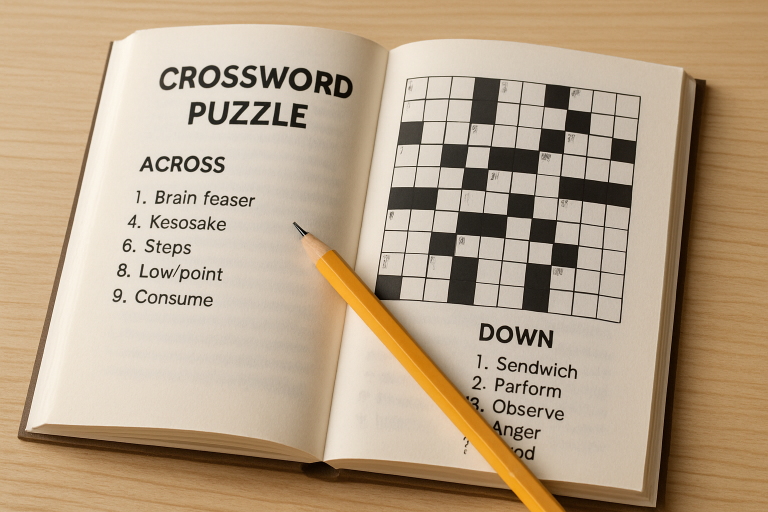
Crossword puzzles are more than just a nostalgic pastime—they are a powerful tool for keeping the mind agile and sharp at any age. For generations, people have turned to Crossword Books as a source of entertainment and cognitive challenge. These puzzle books are readily available for enthusiasts of all skill levels, providing a rewarding activity that blends mental exercise with pure enjoyment. You can discover a wide range of Crosswords Books tailored to every interest and level of expertise.
Engaging with crosswords stimulates critical thinking, memory recall, and general knowledge, all while offering a sense of accomplishment with each completed grid. Researchers continue to find that regular engagement with word puzzles supports long-term brain health. In fact, studies highlighted by publications like Scientific American suggest that habitual mental challenges can enhance unique cognitive capacities, making puzzle-solving a wise daily habit.
The Science Behind Brain Training
The allure of solving a crossword lies in its ability to stretch multiple facets of the mind simultaneously. Scientists have shown that brain plasticity—the capacity for the brain to form and reorganize synaptic connections—can be preserved and even strengthened through challenging mental activities. When you tackle crosswords, you must draw on vocabulary, tap into trivia, and apply logic, thus exercising different areas of your brain in tandem.
This constant stimulation builds new neural pathways and maintains the ones already formed, making it easier for the brain to retrieve words, facts, and concepts. According to neurologists, engaging in such dynamic thinking as part of your routine can notably impact everyday mental tasks, like decision-making and memory retention.
For those interested in the broader benefits of all types of puzzles, reputable sources like The New York Times continue to report on emerging research supporting the mental health value of these engaging games.
Benefits for All Ages
- Children: Crossword puzzles enrich vocabulary, nurture spelling skills, and boost reading comprehension in a fun, accessible way. Early exposure to puzzles fosters problem-solving skills essential for academic growth.
- Adults: Crosswords offer a reliable way to support healthy cognitive aging. They keep the mind tuned for multifaceted thinking and quick recall, which is invaluable in work and personal life.
- Older Adults: Regular puzzle-solving is linked to a decreased risk of age-related cognitive decline. Engaging with word games regularly helps maintain mental alertness and sharpness well into later life.
These lifelong benefits explain the popularity of crosswords in classrooms, living rooms, and retirement communities. According to the Alzheimer’s Association, stimulating the brain through consistent mental activity may contribute to building up what’s called “cognitive reserve,” which helps guard against the symptoms of dementia.
Strategies for Solving Crosswords
- Begin with easier puzzles if you’re starting, gradually increasing the difficulty as your skills improve.
- Fill in the answers you know right away to create a framework for tackling trickier clues.
- Write lightly to adjust answers as new possibilities emerge; don’t be afraid to skip and revisit challenging clues.
- Leverage the theme or pattern of the crossword for strategic hints—many puzzles hinge on a specific topic or wordplay style.
- Attention to letter configurations and crossing words can offer valuable context and narrow your options.
Successful solvers know persistence, patience, and a dash of creativity are as important as vocabulary. Over time, these strategies boost your confidence and improve cognitive flexibility, turning frustration into fulfillment.
Crosswords and Mental Health
Crossword puzzles are a potent mindfulness technique that promotes sustained concentration on a single task and offers respite from daily stressors. Completing a crossword can generate a small but satisfying dopamine rush, reinforcing a positive mood and sense of accomplishment. Mental health professionals recognize that engaging in such focused activities can help reduce feelings of anxiety and depression, making puzzle-solving a restorative ritual for many.
During challenging times, like periods of social isolation, puzzles have surged in popularity for their ability to foster connection (especially when solved with others) and provide a constructive escape from digital overload.
Puzzle Books vs. Digital Crosswords
While online and mobile crossword games are undeniably popular and provide instant feedback, many avid solvers treasure the tactile satisfaction of pencil and paper puzzle books. Physical Crosswords Books allow for a deeper connection to the puzzle, helping people better remember new words and factoids. Plus, print formats are naturally free from the interruptions of notifications and ads that accompany most apps.
On the other hand, digital crosswords offer convenience and sometimes include additional features, like hints or built-in timers, to enhance the experience. Both formats have loyal fans, and the choice often comes down to personal learning style, lifestyle needs, and preference for screen time.
Making Crosswords a Daily Habit
Consistency is key to reaping the lasting rewards of crossword solving. Even 10–15 minutes daily is enough to foster noticeable improvements in vocabulary, recall, and problem-solving. Many solvers incorporate crosswords into daily routines, using them as a productive morning brain “warmup” or a peaceful wind-down ritual at day’s end.
Establishing this simple habit supports lifelong mental fitness and cultivates a relaxing, screen-free tradition that can be enjoyed alone or with friends and family.
Further Reading and Resources
To enhance your puzzle-solving journey, check your local library or community center for free resources, or visit reputable online sites for daily puzzle downloads and word lists. For more insight into the science of brain training and mental wellness, explore articles from trustworthy publications like Psychology Today. If you’re interested in branching out, many research journals and puzzle organizations publish new studies, guides, and collections for aficionados at every level.