

Construction zones are a constant presence in Green Bay, promising road improvements but often increasing the risks for drivers. Navigating through these work areas requires heightened attention and care, as accidents can easily occur. For drivers who have been involved in these crashes or want to understand the risks and their legal rights better, click here for more information and support from experienced attorneys. Construction-related crash statistics and stories from local news make it clear: these areas require extra caution from everyone on the road.
Understanding why construction zones are so hazardous—whether due to temporary road layouts, driver distractions, or inadequate signage—can help mitigate these dangers. Construction crews are doing essential work, but the temporary disruptions they create can lead to confusion and split-second mistakes. In Green Bay, these issues are particularly pronounced in busy areas, especially during peak commuting hours or when the weather conditions worsen. Knowing the risks and how to respond is essential for all drivers in the area.
Additionally, public safety campaigns urge caution and share emotional reminders of the workers’ families, illustrating just how high the stakes are in these zones. Local and state agencies constantly monitor work zone safety, and enforcement has ramped up in recent years, but the responsibility to drive carefully ultimately falls on motorists themselves. Proactive measures can make a significant difference, lowering accident rates and saving lives.
Common Hazards in Construction Zones
Several unique hazards in Green Bay’s construction zones pose a risk to drivers. Lane shifts and closures force motorists to adapt quickly, but not all drivers react safely to sudden changes. Uneven road surfaces and rough transitions between old and new pavement can compromise traction or control, particularly for motorcycles and smaller vehicles. Poor or missing signage can leave drivers uncertain about where to go, increasing the likelihood of confusion and collisions. Heavy construction equipment, often operated close to moving traffic, introduces unpredictable movement and additional obstacles that require drivers to be especially vigilant.
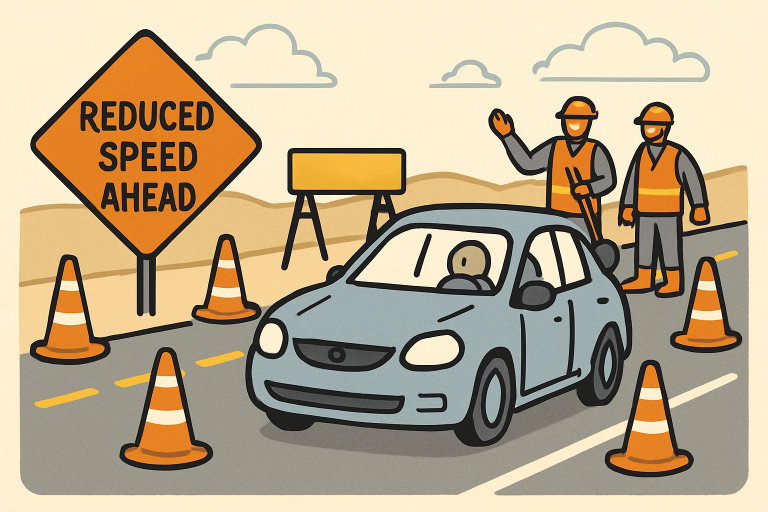
- Lane Shifts and Closures: Even slight shifts without adequate warning can cause sideswipes or rear-end crashes.
- Uneven Road Surfaces: Temporary or unfinished road surfaces challenge drivers’ ability to maintain control.
- Inadequate Signage: When signs are obscured or missing, drivers may miss key instructions or fail to slow down.
- Construction Equipment: Vehicles entering or leaving the work area increase the chance of unexpected encounters.
Impact of Driver Behavior
Driver behavior in construction zones can make the difference between a safe journey and a serious accident. Speeding is particularly dangerous, since reduced speed zones are specifically set for safety due to tighter lanes and closer work activity. Distracted driving—especially using a phone—amplifies the challenges of navigating irregular traffic patterns. Tailgating is another common issue; following too closely gives drivers little time to react to changes, which are frequent in construction areas. By maintaining awareness and patience, drivers can prevent most of these behaviors from escalating into major crashes.
- Speeding: Diminishes reaction time and worsens any resulting collision.
- Distracted Driving: Texting, adjusting GPS, or eating all take attention away from the constantly shifting work zone environment.
- Tailgating: Drivers need more space to stop when the road ahead is unpredictable.
Statistics on Construction Zone Accidents
The extent of the risk in work zones is hard to ignore. According to the Wisconsin Department of Transportation, 2024 witnessed more than 2,150 work zone accidents statewide, resulting in 10 fatalities and over 750 injuries. On busy routes through Green Bay, inattentive driving is the leading cause of accidents, particularly in notorious zones like Highway 172, where over two-thirds of crashes are linked to distraction. These statistics underscore the urgent need for greater caution and compliance with safety measures by all drivers.
Safety Measures and Initiatives
Both state and local agencies are fighting to reduce accidents through coordinated programs and safety enhancements. Public awareness campaigns—such as billboards showing the families of road workers—are designed to personalize the dangers and reinforce caution. Enhanced signage and upgraded lighting are also critical, making it easier for motorists to see upcoming changes in road layout or hazards at night. A law enforcement presence is another proven deterrent, encouraging drivers to slow down and obey posted speed limits. These combined efforts demonstrate that ongoing vigilance is necessary to make construction zones as safe as possible for both workers and drivers alike.
Extra Initiatives
- Family-focused Campaigns: Local news outlets note campaigns that remind drivers of the people behind the vests.
- Increased Patrols: The Green Bay police have launched targeted enforcement initiatives in high-risk areas.
Legal Implications of Accidents in Construction Zones
Crashes in construction zones often involve heightened legal and financial stakes. Wisconsin law mandates increased penalties—often double the standard fine—for violations committed in these areas. Determining liability can be more complex as multiple parties may be involved, including the driver, construction crews, and government agencies. Injured parties should seek legal advice quickly to preserve evidence and ensure their rights are protected.
- Increased Penalties: Fines are higher, especially for speeding or texting in a work zone.
- Liability Issues: Fault may be shared among drivers, contractors, and project managers depending on the circumstances.
Tips for Drivers Navigating Construction Zones
Safe navigation through construction zones starts with heightened alertness. Watch for all posted signage and instructions, including those for the presence of workers and sudden lane changes. Always obey the reduced speed limits, as they reflect the realities of altered traffic flow and increased hazards. Maintain a safe following distance to allow for sudden stops, and eliminate all potential distractions—avoid using your phone or engaging in other activities that divert your attention from the constantly changing environment.
- Stay Alert: Pay attention not just to the road but to workers, machinery, and signs.
- Reduce Speed: Respect posted limits and slow down at the first sign of construction.
- Maintain Safe Distance: Be prepared for abrupt changes in traffic flow.
- Avoid Distractions: Use hands-free devices if necessary, but focus entirely on driving during these stretches.
Final Thoughts
Construction zones across Green Bay are unavoidable, but accidents within them are not. By understanding the dangers, respecting safety initiatives, and practicing responsible driving behavior, everyone can contribute to reducing crashes and saving lives. As infrastructure projects continue, ongoing awareness and cooperation between drivers and construction crews remain crucial to ensuring safer roads for all.