

Key Takeaways
- Modern generators provide automatic power during outages, ensuring a continuous electricity supply.
- Proper installation and maintenance are crucial for safe and efficient generator operation.
- Advancements in technology have improved generator efficiency and enhanced its integration with home systems.
Power outages can strike at any time, leading to discomfort, spoiled food, or even safety hazards for families. Fortunately, technological advances have made it easier than ever for homeowners to maintain uninterrupted electricity with solutions like generators in Charlotte. These modern devices are not only highly reliable but also innovative and user-friendly, making them crucial investments for anyone concerned about losing power, especially in areas prone to extreme weather or grid disruptions.
Understanding how modern generators work—and how they can seamlessly provide backup power—is essential for making an informed decision about home protection. As more households rely on electronic devices and smart home systems, having a backup power source ensures that comfort, convenience, and essential systems stay operational when it matters most.
Besides pure convenience, generators can also play a vital role in safeguarding health, protecting property, and preserving food and medicines. Their automatic capabilities mean that homeowners don’t have to be present to restore power, which is essential for those who travel or work offsite. With a wide range of efficient electrical products now available, it’s simpler than ever to equip your home for every eventuality.
Investing in a generator is not only about comfort—it’s about proactive planning for incidents ranging from storms to accidents or infrastructure failures. These devices ensure minimal disruption to daily life and peace of mind, regardless of what’s happening on the power grid outside.
Understanding Standby Generators
Unlike portable models, standby generators are installed permanently and connected directly to a home’s electrical system. These units automatically detect power disruptions and activate within seconds, ensuring that vital systems, such as heating, refrigeration, or medical devices, continue to operate. Powered primarily by natural gas or propane, standby generators provide a hands-free, seamless experience and can either power selected circuits or the entire house, depending on their capacity.
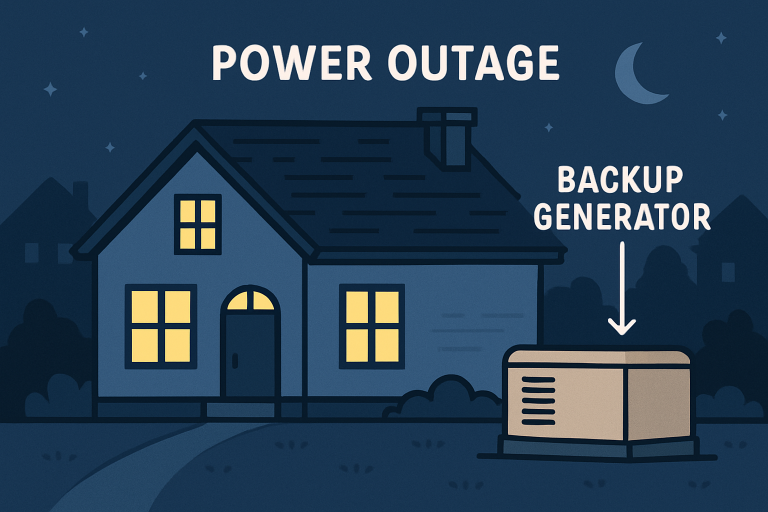
With these generators, there’s no need to pull cords or fill fuel tanks in a storm—everything is pre-configured for your household’s needs. Their robust design and integration with home electrical systems make them a top choice for long-term reliability.
Benefits of Installing a Standby Generator
Standby generators offer distinct advantages over basic portable units:
- Automatic Activation: They start up on their own as soon as an outage is detected, eliminating the need for manual setup during emergencies.
- Continuous Power Supply: Key appliances and health-related equipment remain powered, reducing the risks associated with outages.
- Property Value Boost: Homes equipped with modern backup generators often experience increased market value due to the added convenience and reassurance they provide.
Safety Considerations for Generator Use
Generator safety is essential to avoid potentially life-threatening hazards. The Federal Emergency Management Agency (FEMA) recommends keeping standby or portable generators at least 20 feet away from windows, doors, and vents to prevent the buildup of dangerous carbon monoxide. Operate generators outdoors in well-ventilated spaces continuously. Routine maintenance and checks are vital to ensure that safety features function as designed and that the unit is ready when needed. For comprehensive safety advice, consult official guidance from organizations like the CDC on generator safety.
Technological Advancements in Generators
Recent developments in home generator technology have led to more brilliant, quieter, and more efficient systems. Many units now offer integration with smart home platforms, enabling owners to monitor performance, track fuel levels, and remotely start or stop their generator via mobile apps. Noise reduction technology ensures that these appliances operate discreetly, while new engine designs focus on maximizing fuel efficiency and reducing emissions for a more eco-friendly solution.
Choosing the Right Generator for Your Home
Several factors determine the best generator choice for your property. Start by tallying the total wattage needed to run your essential appliances during an outage. Consider your local utility setup and which fuel types—natural gas, propane, or diesel—are most readily available and suitable for on-site storage. Set a realistic budget that considers not only installation costs but also long-term operational expenses and maintenance.
Consulting with industry experts ensures that the system you select aligns with your home’s size, layout, and unique needs. Sites like Consumer Reports offer helpful tools and reviews to aid your decision.
Installation and Maintenance Best Practices
For optimal safety and reliability, professional installation is essential. Certified electricians will ensure your generator meets all local codes and safety standards. Ongoing maintenance—such as periodic testing, oil changes, and inspection of critical parts—is vital for uninterrupted operation. Setting up a routine maintenance schedule and keeping spare supplies on hand further minimizes the risk of unexpected failures when power is lost.
Cost Considerations and Financial Assistance
While a standby generator is an investment, the peace of mind and protection it provides can outweigh the upfront expense. Financial assistance may be available through state or federal incentive programs, energy provider rebates, or even homeowners’ insurance discounts. Some regions offer tax credits for energy-efficient upgrades, potentially reducing your total cost. Always investigate your options and see if your locality offers any assistance or valuable incentives.
Conclusion
Modern generators are a cornerstone of residential resilience, providing rapid and reliable backup power to keep your home safe and comfortable during power outages. By thoughtfully selecting the right system, following best practices for installation and maintenance, and being aware of the latest technological enhancements, you can enjoy continuous peace of mind—no matter what challenges the power grid may face.