
Key Takeaways
- Smart cameras deliver real-time monitoring and proactive security to households.
- They seamlessly integrate with other smart home devices, further enhancing convenience and safety.
- Ongoing advancements in artificial intelligence and universal device compatibility continue to push the boundaries of home security.

Smart home security cameras are transforming the way homeowners protect and manage their households. These advanced systems no longer just record or monitor; they serve as integral components of a connected smart home, significantly improving security, comfort, and convenience.
The integration of intelligent video technology with everyday living offers unique advantages for safety-conscious individuals. By enabling immediate alerts and live monitoring, as well as integration with other devices, these security cameras are making a noticeable impact on daily routines and peace of mind.
In addition, the widespread availability of these systems has lowered the barrier to accessing professional-level security technology for homeowners. Where once robust home surveillance systems were limited to luxury homes or commercial spaces, today’s smart cameras can be found in homes of all sizes and price ranges. Installation is often straightforward, and wireless options provide flexibility for renters and homeowners alike. This democratization of smart security enables more people to proactively protect their property and loved ones without the need for complex wiring or costly contracts.
Real-Time Monitoring and Proactive Security
Today’s smart cameras provide peace of mind with live feeds and alerts, helping families react swiftly to threats. Cloud-based surveillance with remote responders can deter intruders through warnings or sirens, often preventing break-ins. These systems set new standards for proactive protection, with recent data showing a reduction in property crime. Many now feature high-resolution night vision and wide dynamic range, effective in low light. The addition of sirens and custom audio warnings offers more control in emergencies. These features turn homeowners into active participants, not just observers.
Integration with Smart Home Ecosystems
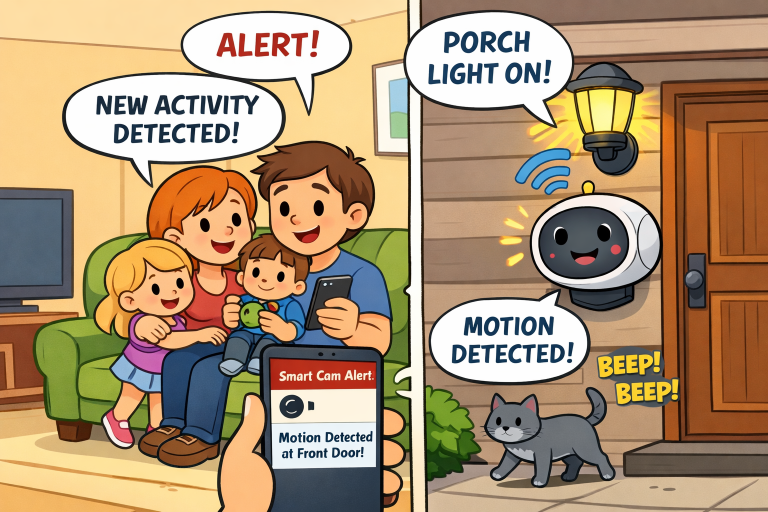
Smart cameras work best with home automation devices. When integrated with lights, locks, and alarms, they can trigger actions based on motion, sound, or unusual patterns. For instance, if a camera detects movement on the porch at night, it can turn on lights and notify the homeowner. This cross-device communication makes the system proactive in managing and defending the property.
Platforms also let users manage lighting schedules, automate climate controls, or set routines for arrival and departure. Integration with digital assistants like Amazon Alexa, Google Assistant, and Apple HomeKit offers voice control and unified management through a single app or hub. Users can create “scenes” for scenarios like vacation or nighttime security, simplifying smart security for everyone.
Advancements in AI and Interoperability
Artificial intelligence is transforming home security. AI security cameras distinguish between people, animals, cars, and visitors with facial recognition, reducing false alarms and providing precise alerts. Standards like Matter 1.5 improve device compatibility, allowing homeowners to mix brands and connect devices easily. As platforms become more interoperable, loyalty to a single manufacturer diminishes. AI pushes the boundaries with smarter voice commands enabled by natural language processing, and cameras now recognize objects like packages and license plates, useful for theft prevention, contractor access, and driveway monitoring. Many cameras learn user routines to reduce false notifications, enhancing reliability and trust.
Enhancing Daily Life Beyond Security
Smart cameras provide benefits beyond security, such as monitoring pets, packages, and children’s whereabouts. Many feature two-way audio and smart notifications, enhancing convenience and connectivity. AI-driven alerts further help busy families save time and lower stress. Leading publications like Forbes project that AI will remain at the forefront of future home automation trends.
Some smart cameras also allow integration with broader wellness systems, such as environmental sensors that monitor air quality or detect hazards like smoke or water leaks. Notifications can be sent to users’ smartphones or smartwatches, providing immediate access to information about the home environment from virtually anywhere in the world. In this way, smart cameras are evolving into comprehensive home management tools, enabling a holistic approach to safety, communication, and daily household management.
Addressing Privacy and Security Concerns
The widespread adoption of smart cameras raises privacy and cybersecurity concerns. Unauthorized access due to weak passwords or outdated software has occurred. Leading manufacturers invest in data encryption, two-factor authentication, and firmware updates to ensure user trust and safety. Users should change default passwords and update devices promptly. Compliance with local surveillance laws is crucial, especially for homeowners and businesses working with Security System Installers in Hudson Valley, where privacy regulations and surveillance requirements may vary by location. Modern devices offer customizable privacy zones and scheduling to restrict recording, protecting privacy. Educating consumers on security settings, cloud options, and best practices promotes responsible use as smart cameras become common.
Future Trends in Smart Home Security
The future of home security cameras includes even deeper AI integration, smarter interoperability standards, and intuitive user experiences. We may soon see systems that can predict and prevent risks based on learning homeowner routines, as well as interfaces that provide 360-degree control over security from a single dashboard. As these technologies develop, they are evolving from simple monitoring equipment into vital, intelligent partners in daily home management.
As artificial intelligence and machine learning advance, expect to see more individualized, anticipatory systems that reshape how security is approached. Biometric authentication, gesture controls, and energy-efficient design may become standard features. The convergence of security, automation, sustainability, and wellness promises a truly integrated, personalized living environment in future homes.
Conclusion
Smart home security cameras now go beyond passive recording, transforming household security and convenience. As technology advances, they become more adaptive and vital to modern life. Embracing these innovations positions homeowners at the forefront of smarter, safer living. Their adoption marks a shift toward proactive, tech-driven home management. With ongoing progress and increased interoperability, smart security cameras will be central to future homes, where they not only monitor but also anticipate needs, respond to hazards, and create safe, comfortable living spaces.