

Key Takeaways
- Select the appropriate marine paint for your boat’s specific needs and local water conditions.
- Prioritize environmentally responsible choices to meet modern regulations and protect marine life.
- Invest effort in surface preparation for reliable paint adhesion and extended coating life.
- Maintain and reapply paint as needed to achieve long-lasting hull protection.
Protecting your boat begins with selecting the best coatings for its hull. Your choice directly affects your vessel’s longevity, performance, and environmental impact. Whether you cruise recreationally or work in commercial waters, understanding the essentials of marine paint helps you avoid costly repairs down the line. For the broadest range of marine paint supplies, visit reputable specialty retailers and ensure you have access to reliable, vessel-specific options. Different paint types, environmental considerations, and application techniques play crucial roles in protecting your hull from challenging marine conditions. Taking the time to become informed can make the difference between a durable, vibrant finish and recurring issues that ruin time on the water.
Understanding Marine Paint Types
Marine paints serve as your hull’s first line of defense against moisture, salt, and organisms in the water. Selecting the right paint is more than a cosmetic matter; it can save fuel, prevent costly repairs, and aid in compliance with boating laws and environmental regulations.
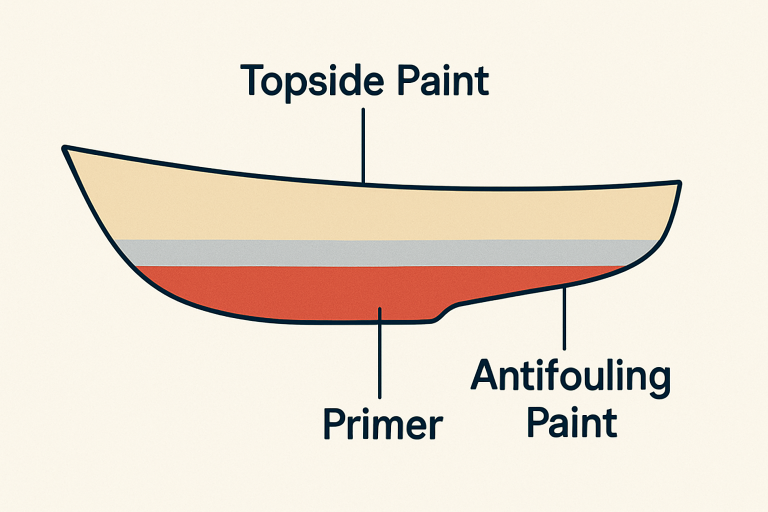
- Antifouling Paints: These paints are formulated to deter the growth of barnacles, algae, and other marine organisms. Generally, hard-bottom antifoulants are most effective for boats that remain in the water year-round and frequently cruise at higher speeds. Ablative or self-polishing coatings, in contrast, are optimal for vessels that are hauled out more often; they erode gradually, constantly exposing a fresh biocide layer for continual protection.
- Topside Paints: Designed for areas above the waterline, these are critical for deflecting UV rays, rain, and temperature extremes. One-part polyurethane paints are easy to apply and suitable for most DIY projects, while two-part polyurethanes offer unmatched durability and gloss, ideal for a showroom-quality finish.
- Primers: A critical foundation, primers seal the surface and promote superior adhesion for subsequent paint layers. Specific primers are specialized for use on bare fiberglass, aluminum, or steel—always match your primer to both the hull material and the chosen marine paint.
Environmental Considerations
As global attention to water quality grows, boaters are increasingly aware of the ecological consequences of their material choices. Marine coatings, mainly traditional copper-based antifouling products, can release toxic elements into marine habitats. Opting for paints with lower biocide leach rates or switching to non-biocidal products helps preserve fragile aquatic ecosystems.
- Non-Biocide Paints: Newer non-toxic formulas physically prevent fouling with slick, hard coatings, rather than relying on chemicals. They’re best for low-to-moderate fouling areas, or boaters who haul out frequently.
- Non-Copper Biocide Paints: Utilizing agents like Econea® or zinc pyrithione, these alternatives offer fouling protection while lessening toxicity, making them preferable in sensitive environments.
- Lower Leach Rate Copper Paints: Modern innovations have reduced the environmental impact of copper-based coatings without sacrificing performance, often meeting stricter local regulations.
Surface Preparation
Proper surface preparation has a significant impact on the performance and longevity of any marine paint job. A rushed or incomplete prep process may result in premature paint failures, blistering, or peeling.
Cleaning: Remove grime, salt, oil, and any remaining coatings. A high-pressure rinse and specialized marine detergent are most effective. Let the hull dry thoroughly before proceeding.
Sanding: Smooth out imperfections and create microscopic textures for primer and paint to “grip.” Use the appropriate grit for your hull material, typically fine to medium for fiberglass.
Priming: Apply a compatible primer as directed, with a focus on bare surfaces and repaired areas. Multiple thin coats often outperform a single heavy one.
For a deeper dive into correct hull prep and painting sequence, see the best-practices discussion from BoatUS.
Maintenance and Reapplication
Even the best marine paint will eventually need maintenance. Regularly inspecting the hull, promptly cleaning away marine buildup, and touching up minor scrapes will keep coatings sound and practical longer. If paint shows extensive wear, blistering, or peeling, it’s time for a more comprehensive reapplication following the same preparation steps above.
- Routine Inspections: Inspect after every haul-out, or at least once each season.
- Cleaning: Use marine-safe tools and products to avoid damaging the paint layer while removing slime and growth.
- Touch-Ups: Repair scars and nicks promptly, sealing out water and preventing more extensive damage.
- Reapplication: Adhere to the paint manufacturer’s specific timelines for recoating, which typically range from every 1 to 3 years, depending on the paint type and boat usage.
Conclusion
Choosing and applying the right marine paint involves understanding your vessel’s requirements, embracing environmentally sound products, and maintaining a diligent care routine. Utilize specialty marine paint supplies to achieve professional results and ensure longer-lasting protection. By following these best practices, you’ll keep your boat’s hull resilient, attractive, and ready for every voyage.