

Key Takeaways
- Act swiftly and prioritize personal safety when water damage occurs.
- Isolate and stop the water source as soon as possible.
- Document all damage for insurance and repairs.
- Initiate drying and protective measures to limit further loss.
- Contact professionals for extensive damage and thorough restoration.
Water damage is an urgent problem that can quickly spiral out of control, resulting in expensive repairs, ruined belongings, and even risks to your health. While waiting for repairs to be handled by a professional, every moment is crucial for preventing the spread of moisture and mold. Whether it’s a burst pipe, severe leak, or unexpected flood, understanding what to do in these first moments will protect your home and belongings—and prevent expenses from escalating further. If you’re faced with a plumbing crisis and need immediate help, connect with a trusted emergency plumber to get repairs underway as soon as possible.
Responding swiftly can limit structural problems and tackle the main threats to water damage. With calm, informed action, you can considerably reduce the impact on your property and well-being. The steps below provide a practical framework for gaining control of the situation and limiting further damage until experts arrive on site.
In many cases, identifying the source of a leak is not straightforward, especially in older homes where plumbing is behind walls or under flooring. A professional approach like Leak Detection can pinpoint the precise origin, helping to minimize unnecessary demolition and quickly resolve ongoing water exposure.
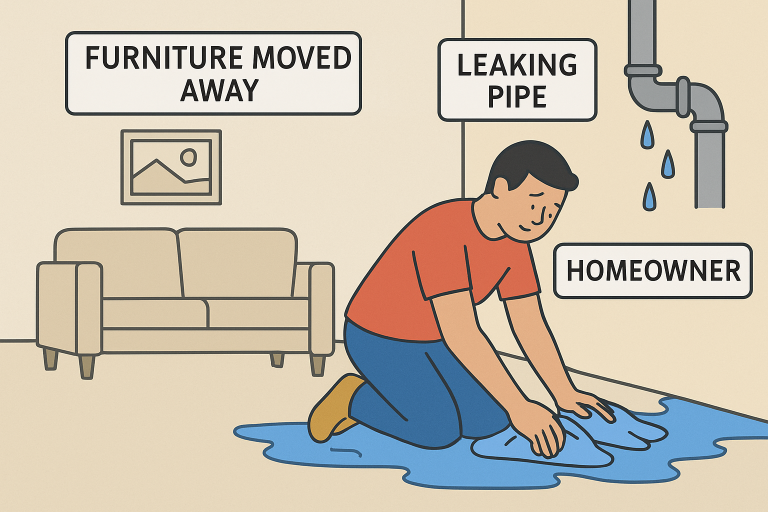
Ensure Personal Safety
Before taking any actions, ensure the area is safe for you and your family. Safety must always come first in water emergencies:
- Turn Off Electricity: Water increases the risk of electrocution. If water is near electrical outlets or appliances, shut off the main power to the affected section or the entire house if necessary. Prioritize your safety and avoid standing water if you cannot safely access the breaker box.
- Avoid Contaminated Water: If the water appears dirty, has a foul odor, or you suspect sewage is involved, steer clear of contact. Contaminated water can carry harmful bacteria and chemicals; let the professionals handle it.
Stop the Water Source
Swiftly isolating the source is one of the most effective ways to control ongoing damage:
- Shut Off Water Supply: If a pipe bursts or leaks, turn off the main water valve to the home. This action quickly stops further flooding and is critical for limiting worsening conditions.
- Address Appliance Leaks: Disconnect the water line to leaking appliances like washing machines or dishwashers. Never attempt appliance repairs yourself if electrical hazards are present.
Document the Damage
Thorough records will help with insurance claims and expedite the restoration process:
- Photograph and Film: Take clear, step-by-step photographs and videos of all areas impacted, from walls and flooring to furniture and electronics.
- Make an Inventory: Detail every item affected, including the estimated value and when it was purchased.
Remove Standing Water
Quick removal of standing water is essential to stem further deterioration:
- Use Proper Tools: Employ mops, towels, or a wet/dry shop vacuum designed for liquid pickup—not a standard household vacuum, which is a fire risk. Remove as much water as possible to reduce the threat of mold and additional damage.
- Monitor for Hazards: Only begin this process after you’ve ensured the area is free from electrical threats.
- Use Leak Detection Services: If the water source remains unclear or hidden within walls, ceilings, or flooring, consider professional leak detection. Specialized tools like infrared cameras and moisture meters can accurately identify the leak’s origin without invasive demolition, allowing for faster and more efficient repairs.
Dry and Dehumidify Affected Areas
Moisture that lingers for even a day or two can cause major mold, mildew, and rot:
- Promote Airflow: If the weather is dry, open windows and doors to enhance ventilation. This helps moisture escape and speeds up drying.
- Use Fans and Dehumidifiers: Position fans to move dry air through damp rooms, and run dehumidifiers to pull lingering moisture out of the air. These steps can dramatically reduce mold risk in carpets, drywall, and furniture.
Protect Unaffected Areas
Take measures to block water from migrating to clean spaces:
- Contain and Isolate: Lay towels, blankets, or other absorbent materials at the threshold of affected rooms to form a barrier. Place buckets or containers beneath drips or leaks, awaiting professional repairs.
- Move Valuables: To prevent loss, move undamaged personal items—such as electronics, documents, and keepsakes—to a dry area or upper floor immediately.
Seek Professional Assistance
While you can handle initial mitigation, a complete recovery often requires expert help:
- Contact Certified Restoration Services: Water damage restoration professionals possess industrial-grade equipment and proven drying, cleaning, and mold remediation procedures.
- Consult Insurance Quickly: Notify your homeowner’s insurance company immediately. Provide your detailed inventory and documentation to expedite your claim and inspection.
By acting swiftly and thoughtfully, you can limit the devastation of water damage until professional repairs are completed. Prioritize safety, document everything, remove water quickly, and enforce drying processes to reduce the spread of moisture and mold.
Final Thoughts
Water damage can strike without warning, but a well-prepared response can make all the difference between manageable repairs and major restoration. Acting quickly, maintaining composure, and following a clear plan helps protect both your property and your peace of mind. While immediate steps like shutting off water and starting the drying process are critical, professional restoration ensures your home is fully inspected and treated to prevent hidden damage or future mold growth.
Taking proactive measures—such as routine plumbing maintenance, installing leak detection systems, and knowing where your main shutoff valves are—further safeguards your home. Combined with expert help and timely action, these practices ensure a faster recovery and lasting protection against future water-related emergencies.