

Key Takeaways
- Accurate measurements and professional consultations are essential to avoid costly mistakes.
- Preparing your home streamlines installation and protects your property.
- Budget planning and timing choices can save you money and prevent headaches.
- Choosing the right season for installation may offer financial advantages and quicker booking.
Table of Contents
- Assess Your Needs and Set a Budget
- Choose the Right Windows
- Hire a Professional Installer
- Prepare Your Home for Installation
- Understand the Installation Process
- Post-Installation Care and Maintenance
- Optimal Timing for Window Replacement
- Avoid Common Installation Mistakes
- Conclusion
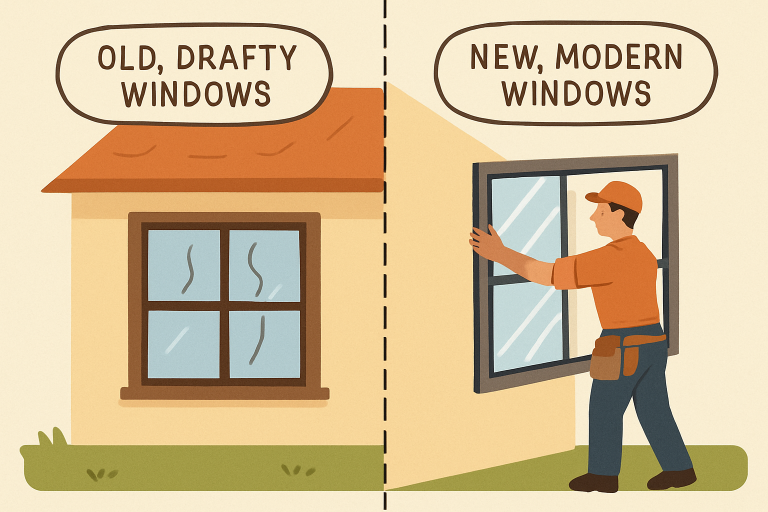
If you’re considering replacing your home’s windows, you’re making a smart investment in energy efficiency, comfort, and curb appeal. Whether your current panes are drafty or simply outdated, a successful window replacement project delivers both immediate and long-term benefits. To ensure every phase goes smoothly, thoughtful planning is key. From taking precise measurements and consulting experts to protecting your belongings on installation day, preparation transforms the experience. Understanding the Renewal by Andersen installation timeline can also help set your expectations, ensuring a well-organized window replacement from consultation to completion. Even seasoned homeowners can benefit from preparation when planning a window project. With the correct information, you can make smart choices about materials, energy ratings, and installation to enhance comfort, value, and curb appeal. Proper planning helps you stay within budget, follow building codes, and minimize disruptions, ensuring a smooth process and lasting satisfaction.
Assess Your Needs and Set a Budget
Start by critically evaluating the state of your current windows. Are there issues with drafts, operational difficulties, or physical wear, such as rotting or foggy panes? Documenting these issues helps determine the true scope of the required replacement. Defining your primary goals —such as noise reduction, energy savings, or historical charm —will also guide which solutions are best.
Budgeting for a window replacement project involves factoring in the number of windows, material choices (vinyl, wood, or fiberglass), and unique features such as custom colors or specialized glass. According to Today’s Homeowner, costs can vary widely based on materials, labor, and project complexity. National averages for replacing about 10 windows range from $3,500 to $10,500, but regional labor rates and window grades can cause significant fluctuation. It’s smart to build in a financial cushion for unforeseen repairs, like discovering water damage during removal.
Choose the Right Windows
With needs defined, turn your focus to window style and material. Consider your region’s climate since insulated glass or low-E coatings may be vital for energy savings. According to This Old House, selecting the right design and materials can make a dramatic difference in both appearance and performance. Wood offers timeless character but demands higher maintenance, while vinyl is affordable and easy to care for. The right windows should enhance both the appearance and comfort of your home. Consulting with professionals can help narrow the vast array of options and provide insight on how styles will perform in your specific environment.
Hire a Professional Installer
A skilled installer is your best protection against leaks, drafts, and structural issues down the line. Seek out reputable, licensed professionals with strong customer reviews. Ask for proof of insurance, request references, and obtain at least three itemized quotes for comparison. Professionals will also handle municipal permits and schedule necessary inspections, streamlining the entire experience. For homeowners undertaking window installation Chicagoland (or elsewhere), working with experienced professionals can ensure compliance with local regulations and optimal performance.
Prepare Your Home for Installation
- Remove curtains, blinds, and any decorative treatments from the installation areas.
- Clear away furniture and decorative items within several feet of the work zone.
- Lay down drop cloths or tarps to protect floors and belongings from dust and debris.
- Deactivate any alarm systems connected to your windows.
- Secure pets and inform everyone in the household of the start date to minimize disruptions.
Preparation means installers can work efficiently while your valuables stay safe and clean.
Understand the Installation Process
- Old windows are carefully removed with minimal disturbance to the surrounding siding and trim.
- Installers inspect the structural integrity of window openings and repair any damage found.
- New units are set in place, leveled, sealed, and insulated for a perfect fit.
- A thorough clean-up ensures no leftover materials or debris are left behind, while a final walkthrough confirms complete satisfaction.
Knowing these steps in advance lets you communicate clearly with your installer and track progress on installation day.
Post-Installation Care and Maintenance
New windows are a major investment—protect them by cleaning glass with gentle, non-abrasive products and regularly checking seals for gaps or wear. Lubricate moving parts and inspect hardware to ensure longevity. For wood windows, apply a protective finish every few years to shield them from the elements.
Optimal Timing for Window Replacement
The window industry is often busiest in late spring and early summer. Planning installation in early spring, late fall, or even the mild beginning of winter can offer lower prices, greater scheduling flexibility, and faster completion. Weather conditions are another consideration—mild temperatures minimize disturbance indoors and outdoors. Savvy timing can lead to direct savings from off-peak discounts or manufacturer promotions.
Avoid Common Installation Mistakes
- Failing to address moisture or rot around existing frames before installation can lead to costly repairs later.
- Choosing window styles that clash with your home’s exterior or don’t suit its architecture may detract from property value.
- Skipping a review of your local building codes and permit requirements can result in project delays or compliance issues.
Proactive planning and attention to detail at every stage ensure your window replacement project adds comfort, energy efficiency, and value for years to come.
Conclusion
Replacing your home’s windows is more than a cosmetic upgrade; it’s a strategic investment in energy efficiency, comfort, and long-term value. By carefully planning each phase—from assessing your needs and choosing the right materials to hiring a skilled installer and preparing your home—you set the stage for a smooth, successful project. Paying attention to timing and avoiding common mistakes can further maximize your results and savings. With thoughtful preparation and expert guidance, your new windows will not only enhance your home’s appearance but also improve its performance and livability for years to come.