

Selling precious metals, jewelry, or coins can be both an emotional decision and a strategic financial move. Whether you’re parting with family heirlooms or reallocating assets, the process requires diligence and informed decision-making to ensure your best interests are protected. Exploring reputable professionals such as Precious Elements Jewelry & Coin can help you navigate this process with expert assistance and transparent advice, making your experience smoother and more secure.
There’s a lot at stake: not only the monetary value of your items, but also the security of your transaction and assurance that your treasures are handled ethically. Understanding the details about your items and your options for selling them can make a significant difference in both the financial and personal outcomes.
Equipped with the correct information, you can transition from uncertainty to confidence, avoiding common pitfalls and maximizing your earnings. It’s not just about finding someone to buy your goods, but about engaging with buyers who are trustworthy, knowledgeable, and compliant with all regulations.
In addition to working with reputable dealers, it’s essential to be familiar with the resources available to sellers. For instance, choosing experienced gold buyers can make the process seamless and efficient, helping you avoid costly mistakes and ensuring you receive fair value for your items.
Understanding the Value of Your Items
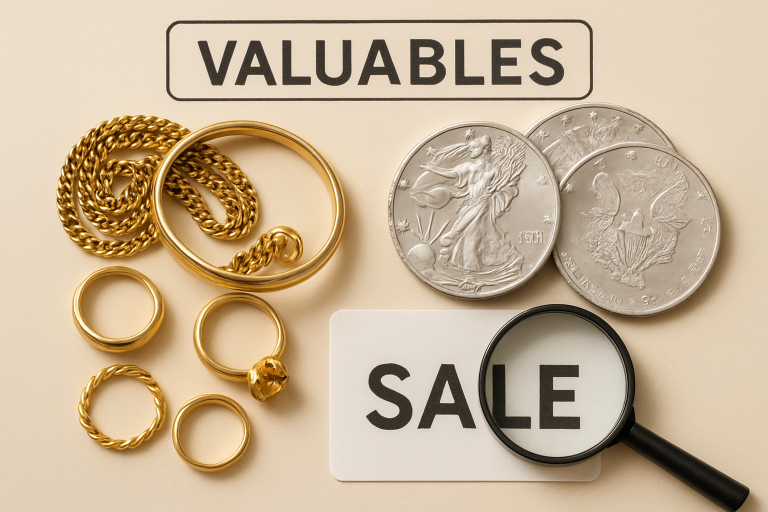
Before listing your items for sale, thoroughly understanding their value is key. Precious metals, such as gold and silver, are valued based on their purity, weight, and current market rates, which fluctuate daily. Jewelry value factors include craftsmanship, gemstone authenticity, and brand recognition, while coins may derive their worth from rarity, historical significance, and mint condition. The difference between a scrap gold price and collectible value can be substantial.
Obtaining a certified appraisal provides a reliable baseline. Ask for detailed documentation that explains what makes your item unique. Organizations like the American Society of Appraisers have directories to help you find trustworthy professionals. For extra due diligence, check recent auction results and online marketplaces to gauge the current market rates for pieces similar to yours.
Choosing the Right Buyer
Finding the right buyer is as important as knowing the value of your items. Local jewelers and coin shops offer the advantage of face-to-face transactions, immediate offers, and no shipping risk. However, look for accredited businesses with strong community reputations and transparent processes. Check for reviews on platforms like Google and the Better Business Bureau.
Online buyers expand your reach but require more research. Opt for established firms with clear terms and protected payment methods. Read their selling procedures and ask about insurance for shipments. Watch for information on pricing formulas and the duration of the offer, as market volatility can affect your proceeds.
For rare or high-value items, auction houses can attract specialized collectors willing to pay higher premiums. This process may take longer and incur commission fees, so it is essential to clarify all terms in advance. Always compare at least three offers and don’t hesitate to negotiate to improve your outcome. According to Kiplinger, obtaining multiple competing bids is the most effective strategy for achieving a fair market value.
Preparing Your Items for Sale
Preparation can make a significant difference. Gather all supporting documentation, such as certificates of authenticity, past appraisals, original purchase receipts, and grading reports for coins. This paperwork establishes provenance and can quickly answer questions from potential buyers, streamlining the sales process.
Cleaning is another consideration. While gently cleaning gold, silver, or diamond jewelry can enhance its presentation, professional jewelers advise against polishing rare coins, as this can diminish their numismatic value. If in doubt, leave it to the professionals, or seek advice from your appraiser on best practices. Group items by type—such as bullion, antique jewelry, or collectible coins—and note any unique stories or features that add to their value.
Avoiding Common Pitfalls
Sellers must be vigilant to avoid the most common traps. Never respond to unsolicited offers, whether they come by phone, email, or social media. Initiate contact with buyers you’ve researched and verified. Be wary of any pressure to sell quickly; take the time you need to verify each step of the process and assess multiple offers.
Request a detailed breakdown of all potential fees upfront, including those for shipping, insurance, and evaluations. Some online firms deduct hidden costs at the final stage, dramatically reducing your return. Always ensure that payments are secure and understand return and dispute resolution policies.
Legal and Tax Considerations
Selling precious metals, jewelry, or rare coins isn’t just a financial transaction—there are legal and tax issues to consider. Profits on sales may be subject to capital gains tax, and there can be state-specific variations in how items are taxed. Consulting with a tax advisor will help you understand your responsibilities and optimize your after-tax returns.
Some larger transactions may require IRS reporting or documentation, particularly when cash is involved, or sales exceed specific thresholds. Be transparent and keep meticulous records of all sales for accurate reporting. For a deeper understanding of regulations, review official resources, such as the IRS guide on precious metals.
Conclusion
Selling precious metals, fine jewelry, and collectible coins can be both lucrative and straightforward if you take a strategic, well-informed approach. Determine the value of your items, consult with reputable buyers, prepare your documentation, and approach each transaction with caution. Staying informed and consulting trusted professionals ensures your financial and emotional interests are safeguarded throughout the process.