

Managing eczema means navigating a world full of irritation, persistent dryness, and uncomfortable flare-ups that disrupt daily life. For millions who battle this chronic condition, finding relief hinges on effective hydration routines. Hydrating the skin isn’t just about feeling comfortable in the moment; it’s the cornerstone for reducing symptoms, restoring confidence, and even preventing those dreaded flare-ups that can sideline you from work or play. Often, the right moisturizer for eczema-prone skin is the linchpin of any successful routine and can dramatically improve overall skin health and comfort. Eczema care requires a personalized approach that considers individual triggers and sensitivities. Proper moisturization is essential, not only to relieve itchiness and dryness but also to strengthen the skin’s barrier, lock in hydration, and protect against irritants. Regular use of the right moisturizer can help prevent future flare-ups and improve long-term skin resilience.
Importance of Moisturizing
Eczema-prone skin loses precious moisture much more quickly due to a weakened or compromised skin barrier. When the barrier is not functioning optimally, moisture evaporates more easily, leaving the skin dry, scaly, and prone to cracks. Replenishing and sealing in that vital moisture is crucial for combating the rough, dry patches that define eczema, while also forming a protective shield against external triggers such as allergens and household irritants. Choosing the best moisturizer for eczema-prone skin is key to restoring hydration and protecting the skin barrier. Consistent moisturizing leads to softer, more resilient skin, while also helping to reduce inflammation and the urge to scratch. When skin is well-hydrated, it is less likely to crack, itch, or become inflamed, three common symptoms that can spiral into more serious problems, such as infections or persistent discomfort. Taking action before skin becomes overly dry is the best preventative step, so building a regular moisturizing habit pays dividends in long-term symptom reduction and quality of life.
Choosing the Right Moisturizer
The ideal moisturizer for those with eczema-prone skin should be fragrance-free, hypoallergenic, and packed with barrier-repairing ingredients like ceramides, colloidal oatmeal, and hyaluronic acid. According to the National Eczema Association, these components help restore skin’s natural moisture barrier, promote healing, and offer soothing relief to angry, inflamed patches. Avoiding potential irritants such as strongly fragranced formulations, alcohols, and harsh preservatives is key to reducing the risk of further reactions. Dermatologists frequently recommend ointment or cream-based products rather than lighter lotions, as the former are richer and more adept at sealing in moisture, providing greater protection for vulnerable skin.
Recommended Ingredients
- Ceramides: These lipid molecules are fundamental to rebuilding and preserving the skin’s protective layer, reducing water loss and helping your skin recover after irritation.
- Colloidal Oatmeal: Renowned for its soothing and anti-inflammatory effects, it calms itching and discomfort almost on contact, offering both immediate and lasting relief.
- Hyaluronic Acid: This powerhouse ingredient draws moisture from the air and binds it to the skin, ensuring lasting hydration and plumpness without greasiness.
- Shea Butter: Rich in fatty acids and vitamins, shea butter creates a nourishing, protective barrier that heals and deeply moisturizes even the driest skin patches.
Application Techniques
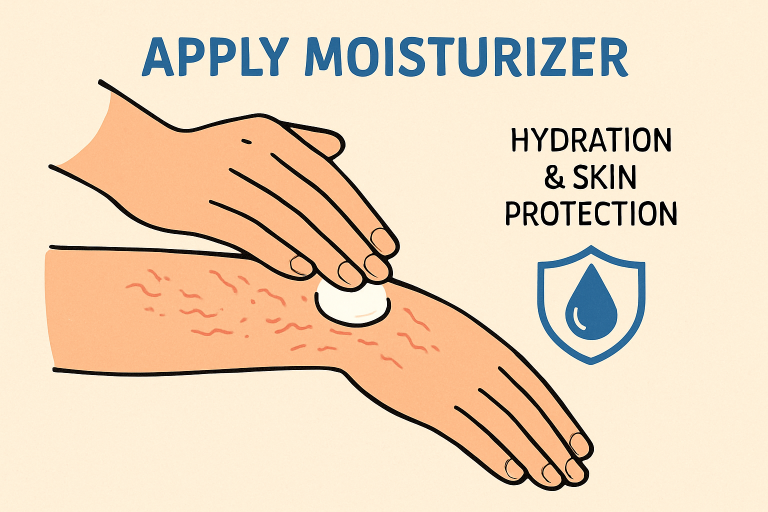
Maximizing the benefits of your chosen moisturizer requires attention to application technique. It’s about more than the product itself. Applying it correctly boosts effectiveness and may help you require fewer interventions in the future. According to Real Simple, gentle upward strokes applied to slightly damp skin, along with allowing the product to absorb fully, can significantly enhance hydration and skin barrier repair. Smart strategies include:
- Apply moisturizer within three to five minutes after bathing, when your skin is still slightly damp, to help lock in essential moisture and prevent immediate evaporation.
- Use gentle, upward strokes and avoid vigorous rubbing, particularly on areas already inflamed or broken. A soft touch minimizes further irritation and encourages better absorption.
- Reapply liberally throughout the day—especially after handwashing, dishwashing, or exposure to water, as these activities strip away hydration and can cause symptoms to recur rapidly.
- For zones with rough or thickened skin, use an ointment at night and cover with cotton gloves or socks to intensify hydration and accelerate barrier repair as you sleep.
Lifestyle Adjustments
Strategic tweaks in your environment and habits offer powerful support for your skincare routine and may reduce the frequency or intensity of flare-ups:
- Install a humidifier in your home—especially during winter or in dry climates—to counteract dry indoor air and help your skin retain moisture.
- Opt for soft, breathable natural fabrics like cotton, which allow air circulation, reduce the risk of overheating and sweating, and minimize friction.
- Choose fragrance- and dye-free laundry detergents and avoid fabric softeners, as both can leave irritating residues on clothing and sheets.
- Limit showers to 10 minutes or less using lukewarm (not hot) water—hot water strips the skin’s natural oils, worsening dryness and disrupting barrier function.
- Avoid using harsh soaps and opt for gentle, sulfate-free cleansers to protect the skin’s microbiome and reduce the risk of irritation.
Over-the-Counter Solutions
For those who prefer easily accessible options, a variety of over-the-counter moisturizers have garnered accolades from both eczema sufferers and clinicians. For example, Eucerin’s Eczema Relief Hydrogel offers a lightweight yet highly effective daily solution that absorbs quickly and provides immediate comfort without feeling heavy or greasy. Many of these products feature time-tested ingredients and undergo rigorous testing for use on sensitive or pediatric skin.
Consulting a Dermatologist
When over-the-counter measures aren’t enough or if eczema patches become increasingly painful, appear infected, or continue to spread, it’s time to consult a dermatologist. Experts have access to prescription treatments such as potent topical steroids, non-steroidal creams, immunomodulators, or new biologic drugs tailored to severe cases. Dermatologists also work with patients to identify specific irritants or allergens through patch testing, empowering you to avoid hidden triggers in your daily life. Partnering with a professional provides more than access to advanced therapies; it ensures you have ongoing support, education, and a customized care plan to manage symptoms with confidence and hope.
By integrating these practical, expert-approved hydration solutions—from product selection to lifestyle modifications—eczema sufferers can take absolute control over the symptoms that affect their comfort and self-esteem. Consistent, mindful care leads not only to healthier, more resilient skin but also to genuine improvements in daily quality of life.