
Introduction to Modern Public Lighting
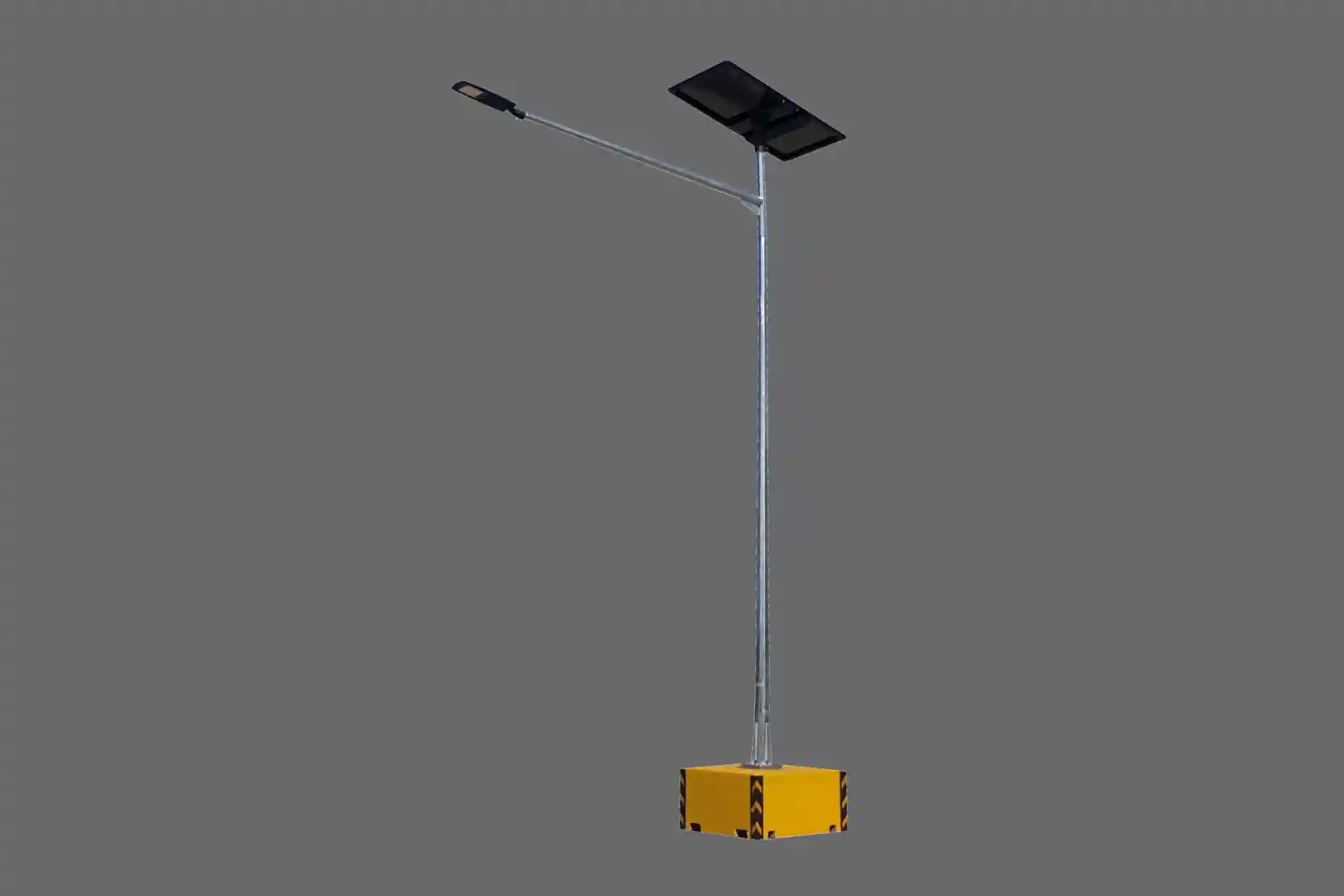
The urban landscape is continuously evolving, placing new demands on our public infrastructure. As cities grow denser and our collective environmental consciousness rises, the need for efficient, sustainable, and adaptable public lighting solutions has never been more critical. We are moving beyond simple illumination towards integrated systems that support smarter, greener urban environments.
Traditional lighting methods, often reliant on fossil fuels or extensive grid connections, present significant challenges in terms of operational cost, environmental impact, and deployment flexibility. These limitations necessitate a shift towards more innovative and eco-conscious alternatives.
This is where mobile solar lighting towers play a transformative role. These self-contained units offer powerful, reliable illumination without the need for external power sources or continuous refueling. Their versatility makes them indispensable for a wide array of temporary and permanent applications within public spaces.
In this comprehensive guide, we will explore the pivotal role of mobile solar lighting towers in shaping sustainable urban infrastructure. We will delve into their technological advancements, diverse applications, and the profound benefits they offer over conventional systems, highlighting how they contribute to both immediate operational needs and long-term urban resilience. For those seeking a deeper understanding of their practical implementation, a comprehensive guide to mobile solar lighting towers provides valuable insights.

Defining Sustainable Urban Infrastructure for Modern Cities
Sustainable urban infrastructure represents the thoughtful integration of high-performance engineering with eco-conscious design principles, all aimed at supporting the health and growth of urban populations. In the context of lighting, this means providing essential illumination while minimising environmental footprint, resource consumption, and long-term operational costs. It’s about designing solutions that are not only effective today but also resilient and adaptable for the future.
For modern cities, this translates into several key considerations:
- Reduced Ground Footprint: Compact and efficient designs that fit seamlessly into urban environments without requiring extensive installation space or disruption.
- Durability and Resilience: Equipment built to withstand harsh environmental conditions, ensuring consistent performance and longevity. This is particularly crucial in diverse climates.
- End-to-End Partnership: Working with suppliers who offer comprehensive support from design and manufacturing through to installation and maintenance, ensuring optimal performance throughout the product lifecycle.
- Monopole Systems: Streamlined, aesthetically pleasing designs that offer robust support for lighting fixtures while blending into the urban aesthetic.
Performance Metrics and Efficiency of Solar-Powered Systems
The efficiency of modern lighting is no longer solely about brightness; it’s measured by the synergy between high-lumen output and intelligent energy management. Mobile solar lighting towers exemplify this, leveraging advanced technology to deliver powerful illumination with minimal environmental impact.
Key technological components include:
- Solar Panels: High-efficiency photovoltaic panels capture sunlight, converting it into electrical energy. These are often adjustable to maximise solar yield throughout the day. For example, some models can fully recharge their batteries in as little as 4-5 hours of direct sunlight.
- Batteries: Advanced battery technologies, particularly Lithium-ion (Li-ion) and Absorbent Glass Mat (AGM) batteries, store the energy captured by the solar panels. These batteries offer extended autonomy, with some systems providing up to 85 hours of continuous operation with dimming functions, or up to 7 days of system autonomy, ensuring reliable light even during prolonged cloudy periods. They are also designed for low maintenance, with lifespans often exceeding 5-7 years, and in some cases, up to 15 years for patented dual Lithium LiFePO4 systems.
- LEDs (Light Emitting Diodes): High-efficiency SMD LED floodlights are standard, offering superior brightness and energy efficiency compared to traditional bulbs. For instance, a single tower can deliver 61,500 total lumens with three 150W SMD LED floodlights, or even 117,000 total lumens with four 150W SMD LED lights. This robust output ensures wide coverage areas, such as 3,846 m² or 5,278 m² at 20 lux average.
- Mast: Telescoping masts, often extending up to 20 feet (approx. 6 meters) and retracting for compact transport and storage, allow for broad light distribution. Some models feature vertical masts that rotate nearly 360 degrees, enabling precise aiming of light fixtures without lowering the mast.
- Intelligent Controllers: These “brains” of the light tower optimise energy distribution, manage battery charging and discharging, and enable features like dusk-to-dawn operation, programmable timers, and dimming functions. This smart management maximises battery autonomy and extends operational periods.
The integration of these components results in highly efficient systems. For a deeper dive into the specific features and benefits of these advanced solutions, exploring the capabilities of Vizona sustainable solar towers can be immensely helpful.
The Role of Mobile Solar Lighting Towers in Sustainable Urban Infrastructure

Mobile solar lighting towers are becoming indispensable tools in the development of sustainable urban infrastructure. Their inherent flexibility and self-sufficiency make them ideal for a myriad of applications, from temporary construction sites to emergency response zones. These towers offer a compelling alternative to traditional lighting solutions, significantly contributing to reduced CO2 emissions and fostering cleaner, quieter urban environments.
For instance, a single mobile solar light tower can reduce CO2 emissions by up to 8 tonnes per year compared to traditional diesel-driven technologies. This substantial environmental benefit, coupled with zero in-use emissions, positions solar towers as a cornerstone of eco-conscious urban development.
To illustrate the stark differences, consider the key performance metrics when comparing solar and diesel light towers:
| Feature | Mobile Solar Light Tower | Traditional Diesel Light Tower |
|---|---|---|
| Emissions | Zero in-use CO2, NO2, and CO emissions | Significant CO2, NO2, and CO emissions |
| Noise Level | Silent operation | Loud engine noise |
| Fuel Source | Renewable solar energy | Diesel fuel (finite resource with fluctuating costs) |
| Refueling Needs | None (self-charging) | Frequent refueling required |
| Maintenance | Minimal (battery replacement every 5–15 years) | Regular engine maintenance (oil changes, filters, repairs) |
| Operating Cost | Very low (no fuel costs and reduced labor requirements) | High (fuel, maintenance, and labor costs) |
| Autonomy | Up to 85 hours with dimming; up to 7 days depending on conditions | Limited by fuel tank capacity |
| Deployment | Quick setup with no grid connection required | Requires fuel supply and can take longer to deploy |
| Tax Credits | Often eligible for tax incentives (such as 30% credits in some regions) | Generally not eligible for tax incentives |
This comparison clearly demonstrates why mobile solar light towers are becoming a preferred solution for sustainable urban infrastructure projects. Their zero-emission operation, silent performance, low maintenance requirements, and reduced operating costs make them a practical and environmentally responsible alternative to traditional diesel-powered light towers. For organizations seeking reliable, long-duration illumination with minimal environmental impact, a 4-panel solar-powered mobile lighting tower is an excellent example of modern lighting technology in action.
Enhancing Public Safety through Sustainable Urban Infrastructure
Public safety in modern precincts relies heavily on reliable, consistent illumination, especially in areas lacking permanent infrastructure or during unforeseen events. Mobile solar lighting towers provide critical off-grid illumination that remains operational even during grid failures, ensuring continuous safety and security.
Their rapid deployment capabilities make them invaluable for:
- Emergency Response: Quickly illuminating accident scenes, temporary shelters, or medical triage zones during disasters or power outages.
- Disaster Relief Efforts: Providing essential light for search and rescue operations, command posts, and logistical hubs in affected areas.
- Temporary Security: Enhancing visibility at security checkpoints, gated entrances, or temporary perimeters, often with integrated CCTV options for comprehensive site monitoring.
- Construction Zones: Ensuring worker safety and site security during night shifts, particularly in areas without established power.
The ability to operate autonomously and silently is a significant advantage in these sensitive situations, preventing additional noise pollution and ensuring focus on the task at hand. For adaptable and robust lighting solutions crucial for public safety, exploring a 3-panel solar powered mobile lighting tower offers further insights into these versatile systems.
Comparing Solar and Traditional Diesel Lighting Solutions
The transition from traditional diesel-powered light towers to mobile solar solutions marks a significant step forward in urban development. This shift is driven by compelling environmental, economic, and operational advantages.
Environmental Impact: Diesel light towers are notorious for their environmental footprint, emitting substantial amounts of greenhouse gases and pollutants. In contrast, mobile solar light towers operate with zero in-use emissions. The statistics are striking: opting for a solar-powered light tower can reduce CO2 emissions by up to 8 tonnes per year per unit. Furthermore, they eliminate 1,335.24 pounds of nitrogen oxides (NO2) and 290.39 pounds of carbon monoxide (CO) annually, contributing to cleaner air and a healthier urban environment.
Noise Reduction: One of the most immediate and appreciated benefits of solar light towers is their silent operation. Diesel generators produce considerable noise, which can be disruptive in residential areas, event venues, or during night work in urban settings. Compliance with noise ordinances is increasingly important, and solar towers offer a solution that operates without the buzzing of a generator, making them ideal for noise-sensitive locations.
Cost Savings and ROI: While the initial investment for a mobile solar light tower might sometimes be higher than a basic diesel unit, the long-term operational savings are substantial, leading to a superior Total Cost of Ownership (TCO) and a quicker Return on Investment (ROI).
- Fuel Costs: Solar towers eliminate recurring fuel costs entirely. With diesel prices subject to volatility, this represents a significant and predictable saving.
- Maintenance: Diesel engines require regular maintenance, including oil changes, filter replacements, and engine overhauls. Solar light towers, with fewer moving parts and no engine, demand significantly less maintenance. Battery replacement, typically every 5-15 years depending on the technology, is the primary scheduled maintenance. This reduced upkeep translates into hundreds of hours annually saved on maintenance and daily startups.
- Labor Costs: Without the need for daily refueling or extensive engine checks, labor costs associated with operating solar towers are drastically reduced.
- Tax Incentives: In many regions, solar equipment is eligible for tax credits, further enhancing the financial viability. For example, some solar light towers qualify for a 30% tax credit.
- Installation Costs: For permanent or semi-permanent installations, solar lighting systems can be up to 21% cheaper upfront than grid-powered options, as they eliminate the need for trenching, cabling, and grid connection fees. Over a 20-year period, this can result in a 13% saving compared to equivalent grid-powered systems.
The choice between a diesel-powered light tower and a solar alternative is clear for those prioritising sustainability, quiet operation, and long-term economic benefits. While diesel options like a robust diesel powdered mobile lighting tower or a swift diesel powered lighting tower still exist for specific heavy-duty applications, the trend is unequivocally towards solar for most temporary and mobile lighting needs in public spaces.
Future-Proofing Cities with Integrated Infrastructure Solutions

As urban environments continue to evolve, the demand for infrastructure that is not only functional but also intelligent and interconnected grows. Future-proofing our cities means adopting solutions that can adapt to technological advancements and support a wide range of urban services beyond their primary function. Mobile solar lighting towers, particularly when designed with smart city integration in mind, are at the forefront of this evolution.
Key features that define smart city infrastructure include:
- Integrated Communication Modules: Allowing for seamless data exchange and remote management.
- IoT Sensor Compatibility: Enabling the collection of environmental data, traffic monitoring, and other urban analytics.
- Modular Design: Facilitating easy upgrades and the addition of new technologies as they emerge.
- Energy Management Systems: Optimising power consumption and integrating with broader smart grid initiatives.
- Security Features: Incorporating surveillance cameras, emergency call points, and robust anti-theft measures.
Smart City Integration: Beyond Simple Illumination
The concept of smart city integration elevates lighting infrastructure from mere illumination to a multi-functional platform for urban management. By embedding Internet of Things (IoT) sensors and communication modules directly into lighting towers, we can create a dense network of data collection points that inform and optimise various city services.
This integration allows for:
- 5G Connectivity: Lighting poles can serve as discreet hubs for 5G small cells, expanding high-speed wireless coverage in urban areas, crucial for smart mobility, autonomous vehicles, and widespread IoT adoption.
- Data Collection: Sensors can monitor air quality, temperature, humidity, noise levels, and even pedestrian and vehicle traffic, providing valuable real-time data for urban planning.
- Optimised Urban Planning: Aggregated data helps city planners make informed decisions about infrastructure development, traffic flow management, and resource allocation.
- Environmental Monitoring: Continuous monitoring of environmental factors contributes to better public health initiatives and sustainable urban development goals.
- Enhanced Security: Integrated cameras and communication systems can improve public safety and emergency response times.
These advancements transform mobile solar light towers into intelligent assets, capable of contributing to a city’s digital backbone while providing essential lighting.
Why Local Manufacturing and Innovation Matter
The success and sustainability of urban infrastructure often hinge on the quality and provenance of its components. Local manufacturing, particularly in regions with unique environmental challenges like Australia, ensures that infrastructure is engineered specifically for these demanding conditions.
The benefits of local manufacturing and innovation are manifold:
- Engineering Excellence: Products are designed and tested to meet stringent local standards and address specific environmental factors, such as extreme temperatures (some models operate reliably from -20°C to +50°C) and high wind speeds (withstanding up to 105 km/h).
- Quality Control: Proximity to manufacturing allows for rigorous quality control throughout the production process, resulting in more reliable and durable products.
- End-to-End Partnership: Local manufacturers often provide comprehensive support, from initial consultation and customisation to installation and ongoing maintenance, fostering a true partnership with urban developers and municipalities.
- Innovation: Local innovation drives the development of tailored solutions, incorporating the latest advancements in solar, battery, and LED technology to meet evolving urban needs.
- Durability: Products built locally are often constructed with materials and designs optimised for longevity in the specific climate, reducing the frequency of replacements and overall lifecycle costs.
By prioritising locally manufactured and innovated solutions, cities can ensure their mobile solar lighting towers are not only technologically advanced but also robust, reliable, and perfectly suited to their unique urban landscapes, contributing to truly sustainable and resilient infrastructure.