

Key Takeaways
- Creative literacy projects enhance reading and writing skills by motivating students to express themselves in new and exciting ways.
- Incorporating technology can make learning more interactive and accessible, introducing students to critical digital tools in a structured setting.
- Collaborative activities promote teamwork, communication, and social skills that are fundamental to lifelong learning.
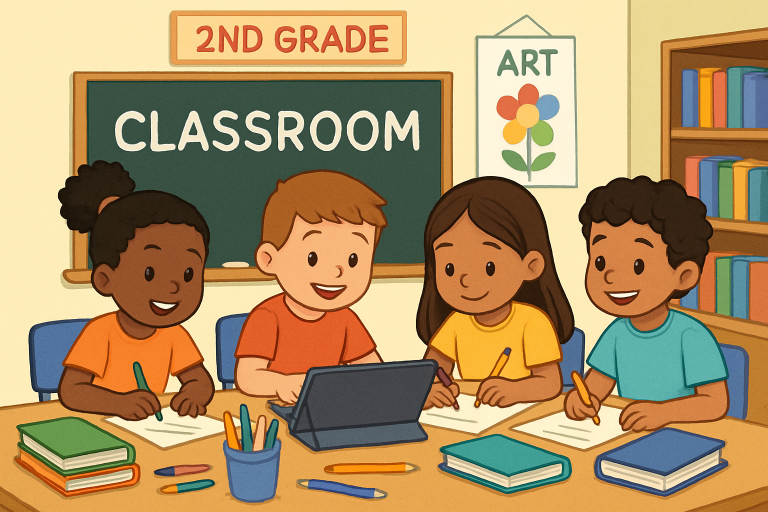
Creating a vibrant classroom environment that sparks the joy of reading and writing is essential for second graders. At this crucial stage in their academic development, fostering a positive relationship with literacy can have a far-reaching impact, not only improving academic performance but also building self-confidence and critical thinking skills. Innovative literacy projects equip young learners with foundational skills while keeping them excited about the learning process. When second graders are exposed to engaging, hands-on experiences that blend creativity with guided instruction, they become more invested in their own progress. By blending interactive activities with purposeful instruction, educators foster students’ curiosity and creativity, creating a dynamic environment that supports growth at multiple levels. For those searching for ready-to-use second grade lesson plans, an array of engaging projects can transform literacy from a routine task into an inspiring adventure, making each day in the classroom both meaningful and memorable.
In today’s education landscape, it is crucial to incorporate both traditional and digital literacy methods to reach all learners. Students in modern classrooms benefit from an approach that respects their varied learning styles and backgrounds. Whether through creative workshops that emphasize story structure or innovative technology-driven activities that use apps and multimedia, providing a mix of projects guarantees that students build strong communication skills alongside digital competencies. Focusing on teamwork, critical thinking, and storytelling not only deepens engagement but also helps students develop empathy and cooperation skills that will serve them well beyond the classroom. These carefully chosen projects not only improve literacy but also help establish a supportive, interactive classroom community in which every child feels valued and empowered to succeed.
1. Create a Comic Project
One of the most effective ways to motivate young readers and writers is by letting them create their own comics. Designing comic strips gives second graders a platform to invent original characters, develop storylines with beginnings, middles, and ends, and illustrate scenes using their burgeoning artistic abilities and imagination. This approach is particularly practical for engaging visual learners and for providing an accessible format for students who may struggle with traditional writing. Children break down narratives into manageable parts and learn essential skills, such as sequencing, using dialogue, and expressing emotions through both words and images. The process also bolsters reading comprehension as students become collaborators in their own stories, understanding how plot and character development work together to deliver a message.
The Create a Comic Project demonstrates how comics can be a powerful tool for literacy, helping even reluctant readers develop a love for storytelling and reading comprehension by empowering them to make choices about their stories’ direction and design. Comics also support students in exploring diverse genres, from fantasy and adventure to everyday experiences, tailoring the activity to classroom themes and individual interests.
2. Interactive Storytelling with Tinker Tales
Modern classrooms benefit from combining physical and digital storytelling experiences, engaging students across multiple senses for deeper learning. With interactive storytelling frameworks like Tinker Tales, students co-create stories using tangible props—such as puppets, tokens, or drawings—alongside innovative digital storyboards or smart devices. This method encourages students to take an active role as both creators and collaborators, promoting narrative development while introducing early digital literacy and even basic understanding of artificial intelligence concepts in a playful way. Tinker Tales brings stories to life as students collaborate to solve problems and make decisions that shape how the story unfolds, strengthening their ability to connect cause and effect and anticipate outcomes. The activity emphasizes teamwork, creativity, language development, and a sense of ownership in collective projects, making it ideal for the diverse needs and interests found in a second-grade classroom.
3. Digital Literacy Activities
Technology integration is essential for today’s second graders, creating opportunities for interactive learning that go far beyond traditional paper-and-pencil methods. Digital platforms allow students to engage in a variety of multimedia writing tasks—from digital storybooks and illustrated posters to interactive timelines and audio recordings of their own voices reading favorite stories aloud. These activities strengthen reading and writing skills in meaningful contexts while also introducing students to basic technological concepts. Digital literacy activities prepare students not only for future academic work but also for navigating an increasingly digital society. As students create, edit, and share their work online, they learn about digital citizenship, responsible use of media, and communicating effectively with different audiences. These experiences boost confidence and encourage risk-taking in exploring new formats, which can reignite students’ interest in literacy who may otherwise feel left out of more traditional exercises.
4. Media Literacy Education
Early exposure to media literacy helps students learn to analyze and interpret information critically. Through these real-world exercises, students begin to understand the importance of being thoughtful consumers of media, which is a vital skill for navigating the information-rich digital age. Media literacy helps children distinguish between fact and opinion, understand the purpose behind different types of media, and communicate their own ideas clearly. Students who develop these skills early are better equipped to handle the deluge of information they encounter daily, both in and out of the classroom.
5. Creative Writing Workshops
Giving students outlets to express their thoughts and emotions is crucial for literacy development. Creative writing workshops immerse students in a variety of writing genres, including poetry, descriptive essays, fables, and even simple scripts for plays. By trying their hands at different forms of creative writing, students can experiment with language, discover their unique voices, and gain confidence in their written communication abilities. Workshops provide structured opportunities for brainstorming, drafting, revising, and sharing work with peers. The collaborative aspect of giving and receiving feedback enhances not only writing skills but also listening and empathy, as students learn to value diverse perspectives and help one another grow.
6. Project-Based Learning
Project-based learning provides meaningful contexts for developing literacy skills by engaging students in relevant, real-world tasks. This approach involves students in researching, problem-solving, and presenting their findings on topics that connect directly to their everyday lives or current issues. Second graders at MICDS, for example, designed projects to address daily classroom issues such as organizing supplies or improving recess routines, combining literacy skills such as reading instructions and writing proposals with practical problem-solving. These experiences nurture critical thinking, collaboration, and communication—essential life skills that prepare students for wider academic and personal success. Project-based learning also offers a platform for cross-curricular integration, where math, science, art, and social studies naturally intersect with literacy in engaging ways.
7. Celebrating Literacy Events
School-wide celebrations like Read Across America Week offer exciting opportunities to involve the entire learning community in supporting literacy. When schools such as Zukeran Elementary organize themed activities, author visits, and family reading nights, students develop positive associations with reading. These special events help to cultivate a sense of pride in literacy achievements, encourage students to read beyond the classroom, and create lasting memories tied to books and storytelling. Celebrations also foster school spirit and strengthen important home-school connections, bringing together students, families, educators, and community members to support a shared goal of literacy success.
8. Video Projects
Incorporating video projects—such as filming book trailers for favorite stories or conducting character interviews—brings reading to life for young learners in exciting, modern ways. Video projects help students practice summarizing and synthesizing information, develop technical and presentation skills, and collaborate with classmates on creative productions. By combining performance with literacy-based tasks, students gain valuable experience in public speaking and build the kind of confidence that will serve them in all academic areas. According to Scholastic, multimedia activities like these are particularly effective in sparking a lifelong love for reading, because they connect the act of literacy with real-world applications and student interests.
Integrating these lively and innovative literacy projects into your curriculum can make a dramatic difference in second graders’ engagement and academic growth. By weaving together creativity, technology, and meaningful collaboration, educators can establish a solid foundation for literacy success—preparing students not just for the classroom, but for a lifetime of enthusiastic learning and effective communication. These strategies create opportunities for every student to shine and build skills that last well into the future.