

What is Mental Resilience and Why Does It Matter in College?
Mental resilience is the capacity to adapt and thrive despite facing adversity, challenges, and stress. In a college setting, this quality is crucial because students frequently encounter unfamiliar academic, social, and personal pressures that require them to cope, persevere, and grow. The science behind resilience shows that individuals who develop this skill can better manage their emotions, solve problems creatively, and maintain good mental health. A robust mindset supports academic achievement and lays the foundation for lifelong well-being.
Being college ready means more than having academic skills; it’s about building a resilient approach to whatever college may present. Students who actively foster mental resilience are equipped to turn difficulties into opportunities for growth, a trait that can set them apart in their studies and future careers.
Common Stressors for College Students
College life is filled with new challenges. Academic pressure is one of the most common stressors, as students juggle coursework, deadlines, and heightened expectations. Time management quickly becomes critical as students balance studying with personal commitments. Many also face social challenges when adapting to a new environment—making new friends, finding a sense of belonging, or adjusting to different cultural norms. Financial worries, such as tuition and living expenses, can add another layer of pressure, especially for those balancing work and academic responsibility.
Key Traits of a Resilient Mindset
Several core traits define a resilient mindset in college students. Optimism and positive self-talk help individuals reframe challenges as learning opportunities rather than insurmountable obstacles. Embracing a growth mindset—the belief that intelligence and abilities can develop with effort—encourages students to persevere, even when struggling. Grit and perseverance are also essential: research has shown that students who keep working toward their goals, despite difficulties, are more likely to succeed academically and personally.
Proven Strategies to Build Mental Resilience
Adopting practical strategies can make resilience a part of daily life. Stress management techniques such as deep breathing, exercise, and regular breaks enhance well-being and cognitive functioning. Establishing self-care routines that include healthy sleep habits, balanced nutrition, and consistent physical activity gives students the energy and focus necessary for success. Mindfulness practices—including meditation or yoga—help students become more aware of their thoughts and emotions, reducing anxiety and fostering calm.
Seeking Support: When and How to Reach Out
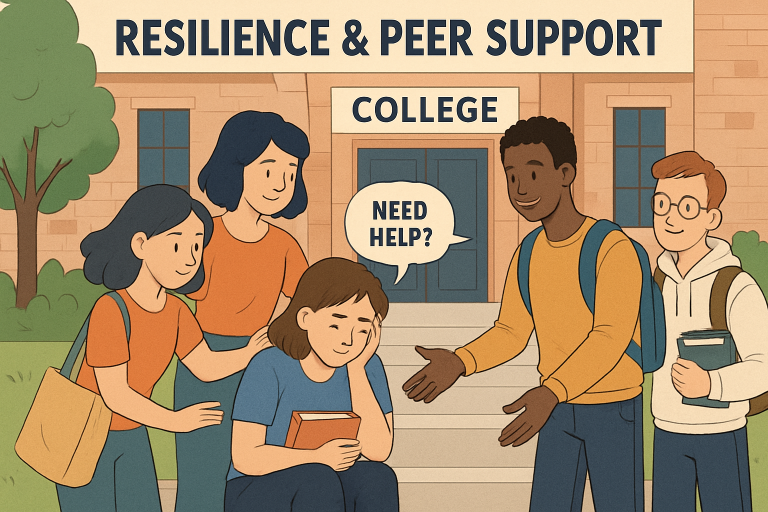
Knowing when to seek help is a sign of strength, not weakness. Students need to recognize the warning signs—persistent sadness, difficulty concentrating, or feeling overwhelmed—that suggest extra support may be needed. College campuses typically offer a variety of resources, from counseling services and academic advisors to peer mentoring and support groups. Building connections with supportive peers and mentors helps normalize the process of seeking help, breaking down the stigma, and encouraging open, constructive dialogue around mental health.
Building Resilience Beyond Graduation
The value of mental resilience doesn’t stop at graduation. In the workplace and beyond, resilient mindsets help individuals adapt to change, overcome setbacks, and seize growth opportunities. Building life-long habits—from embracing feedback to managing stress—paves the way for career advancement and personal satisfaction. Students who cultivate resilience during college find themselves better prepared for the demands of a dynamic, ever-changing world.
Quick Tips to Practice Resilience Every Day
Making resilience a daily practice is accessible for everyone. Start with gratitude exercises—jotting down three things you’re thankful for each evening helps shift focus from problems to positives. Positive reframing, or consciously interpreting setbacks as learning opportunities, reinforces growth. Trying new activities, even those outside your comfort zone, builds confidence in your adaptability. Keeping a resilience journal can effectively track your progress and reflect on how you have overcome challenges.
Conclusion: Shaping the Future with Mental Resilience
Cultivating mental resilience is essential for success during college and beyond. By purposefully building traits such as optimism, perseverance, and adaptability, students can turn everyday challenges into stepping stones for personal and academic growth. Whether through self-care, seeking support, or reframing setbacks, resilience is a skill that opens doors to achievement and fulfillment in every stage of life. Embrace the journey—every obstacle is an opportunity to become more empowered, resilient, and college-ready.