

Key Takeaways
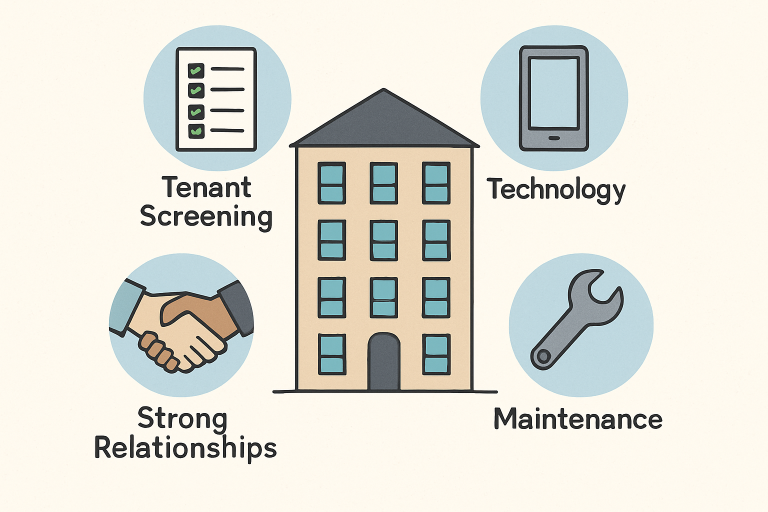
- Implement thorough tenant screening processes for property stability and occupant reliability.
- Leverage technology to streamline management operations and tenant communication.
- Execute preventive maintenance programs to curb costly repairs and extend asset longevity.
- Maintain strong tenant relationships to achieve higher retention rates and lower turnover costs.
- Keep meticulous documentation for compliance, transparency, and dispute resolution.
Effective property management continues to evolve, adapting to changes in technology, tenant expectations, and industry regulations. Property owners and managers need to adopt forward-thinking practices to maintain the value of their real estate investments and ensure sustained tenant satisfaction. Partnering with local experts, such as Sunset Hills real estate experts Patton Properties can provide insightful guidance for navigating these complexities and optimizing property assets.
From rigorous tenant screening to the adoption of smart technologies, today’s property managers are embracing innovation while upholding tried-and-true best practices. Fostering strong relationships with tenants, prioritizing meticulous record-keeping, and continuously updating industry knowledge all contribute to effective and profitable property management. As the market landscape shifts, making the right strategic choices becomes more important than ever.
Understanding these foundational principles allows landlords and property managers to minimize risk, maximize income, and deliver excellent tenant experiences. With a focus on proactive maintenance and legal compliance, operational efficiency is within reach for property professionals who prioritize ongoing education and adaptation. Whether overseeing a single-family home or a portfolio of multifamily properties, modern property management requires a blend of human touch and technological savvy. Employing best practices not only preserves property value but also helps maintain regulatory compliance and build lasting tenant trust, which in turn strengthens reputations over time.
Thorough Tenant Screening
The cornerstone of effective property management is identifying and securing dependable tenants. A meticulous screening process not only protects property assets but also minimizes future risks and disruptions. This process begins with thorough background checks, which include reviewing criminal history and eviction records to identify potential red flags. Credit evaluations help gauge a prospective tenant’s financial responsibility, assuring timely rent payments.
- Conduct comprehensive background investigations to assess criminal records.
- Review credit reports for patterns of financial reliability or distress.
- Verify employment and income to ensure the tenant can afford rent obligations.
- Contact previous landlords to glean insights into rental behavior and history.
Investing additional effort upfront in tenant screening can spare property managers costly challenges down the line, strengthening the foundation for a positive, long-term landlord-tenant relationship.
Embracing Technological Advancements
Modernizing property management through technology not only boosts operational efficiency but also enhances the tenant experience. Advanced property management software allows for the automation of tasks such as rent collection, lease renewals, and maintenance ticketing. In recent years, the industry’s adoption of smart home technologies, such as digital locks and energy-efficient thermostats, has grown rapidly.
A 2024 National Apartment Association survey revealed that 84% of property managers have introduced at least one smart technology, reporting notable improvements in operational speed and tenant satisfaction. Streamlined communication tools also make it easier to respond to tenant needs promptly and keep all stakeholders informed, ultimately reducing friction and increasing transparency.
Preventive Maintenance Programs
To safeguard the long-term value of property investments, preventive maintenance programs are essential. Rather than simply reacting to issues as they occur, property managers should establish routine inspection schedules and service checks. This includes regular evaluations of HVAC systems, plumbing, and structural integrity, as well as timely updates of appliances and fixtures.
- Schedule seasonal landscaping, gutter cleaning, and pest control.
- Monitor the life expectancy of critical components, such as roofs and water heaters, to ensure optimal performance.
- Keep detailed records of all service activities for warranty and insurance purposes.
Proactively addressing maintenance needs helps keep repair costs down, making tenants feel safe and cared for, which in turn inspires longer tenancies and fewer vacancies.
Building Strong Tenant Relationships
Nurturing positive relationships with tenants is critical for reducing turnover and vacancy rates. Responsive property managers who promptly address maintenance requests and communicate clearly about rules, policies, and changes foster an atmosphere of trust and respect. Organizing occasional community events or tenant appreciation activities can further strengthen this bond, helping residents feel valued and connected to their community.
- Address tenant requests quickly and with empathy.
- Communicate openly regarding all property-related matters.
- Introduce digital portals for easy, consistent messaging and maintenance tracking.
When tenants believe their well-being matters, they’re not only more likely to renew leases but may also recommend the property to others, building a pipeline of qualified future renters.
Meticulous Documentation
Documentation is essential for operational clarity, legal compliance, and the efficient resolution of disputes. Storing up-to-date lease agreements, records of inspections and repairs, and communications with tenants in a secure, digital format ensures swift access and accurate record-keeping.
- Archive signed leases, addenda, move-in, and move-out checklists.
- Log all maintenance actions and correspondence with tenants.
- Maintain digital backups for compliance with state and local regulations.
Implementing a digital documentation strategy not only reduces paperwork but also simplifies audits and protects both landlords and tenants in the event of disputes. Technology platforms specifically designed for property managers can further automate these processes, enabling better organization and increased peace of mind.
Continuous Education and Adaptation
The real estate and property management industry is ever-changing. With the constant introduction of new legislation, technology updates, and shifting market trends, proactive learning is essential. Property managers should attend workshops, webinars, and stay current with industry publications to ensure they’re adopting the latest best practices. Ongoing education empowers managers to navigate legal intricacies and capitalize on emerging opportunities, supporting both operational effectiveness and growth.
Conclusion
By adhering to these essential property management practices, real estate owners and managers can strengthen tenant relationships, increase operational efficiency, and boost the long-term value of their investments. Embracing technological advancements, practicing diligent record-keeping, prioritizing preventive maintenance, and investing in professional development form the pillars of modern property management in 2025. Success in this landscape demands continuous innovation, empathy towards tenants, and a relentless drive for best-in-class service.