

Key Takeaways
- Addressing window cracks early prevents costly replacements and potential safety issues.
- Temporary fixes are helpful, but should be followed up with permanent repairs as soon as possible.
- Professionals should assess extensive or structural damage to guarantee long-term results.
Cracked windows not only threaten your home’s security but can also undermine insulation, leading to higher energy bills and discomfort. Whether caused by accidental impact, thermal changes, or structural shifts, understanding both prevention and repair is essential. For homeowners seeking immediate solutions, glass repair services can address a wide range of window issues.
Spotting and fixing window glass cracks promptly can prevent minor issues from escalating into costly replacements. Learning how to manage these imperfections helps you protect both the safety and efficiency of your home environment. Prompt action, along with simple maintenance habits, can mean the difference between a quick fix and a major renovation.
If you neglect cracks, especially those in frequently used rooms, they can worsen over time. Unchecked damage may even reduce your home’s value. Proactive steps, such as regular inspections and DIY repairs, are highly effective in mitigating common risks associated with cracked windows.
As windows are central to home comfort, understanding the common causes, preventive measures, and practical repair methods ensures your living space remains secure year-round. Whether you need a quick solution or are considering a complete replacement, these strategies are designed to extend the life of your windows and maintain their performance.
For further details on window maintenance, the Family Handyman guide on glass repair offers step-by-step instructions for DIY enthusiasts.
Common Causes of Window Glass Cracks
Recognizing the root causes of window glass cracks can limit future headaches and repair costs. The following factors are often responsible for window breakage:
- Thermal Stress: Glass expands and contracts as temperatures change rapidly, potentially leading to the formation of cracks.
- Impact Damage: Accidental hits from sports balls, debris, or nearby construction can easily cause window panes to fracture.
- Structural Issues: Homes that settle or windows that are improperly fitted place uneven pressure on the glass, stressing it beyond its limits.
Additional Contributing Factors
Other influences include poor quality glass, extreme weather events, and the aging of window materials. Understanding these contributors helps you take targeted preventive measures.
Preventive Measures to Avoid Cracks
Proactivity is your first line of defense against window cracks. Implement these best practices to reduce your risk:
- Regular Inspections: Make it a habit to check window surfaces and frames for small chips, signs of stress, or other warning signs.
- Proper Installation: Always ensure professionals correctly fit windows to distribute pressure evenly and reduce future risk.
- Temperature Control: Utilizing curtains, shades, or UV-blocking films can help stabilize indoor window temperatures and limit thermal stress.
Temporary Fixes for Minor Cracks
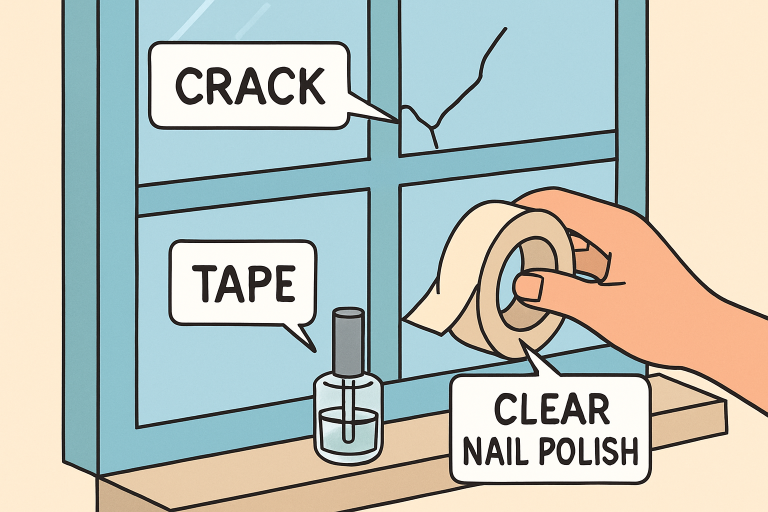
For superficial window cracks that don’t yet threaten overall integrity, temporary solutions can help prevent further damage:
- Clear Nail Polish: Apply several thin layers to the affected area, allowing each coat to dry thoroughly. This forms a seal that slows the propagation of cracks.
- Adhesive Tape: Placing clear packing tape over the crack can stabilize the glass for a short period, especially useful when awaiting professional repairs.
It’s essential to remember that these strategies are not substitutes for permanent repair, but rather serve to minimize risk until more comprehensive action is taken.
DIY Repair Techniques
For those comfortable with hands-on home maintenance, DIY methods can offer a longer-lasting repair for more pronounced cracks. Using a two-part epoxy is among the most effective methods for non-structural damage:
- Clean the Area: Carefully wipe down the crack and surrounding glass with a dry, lint-free cloth to remove any dirt or particles.
- Mix Epoxy: Prepare the resin and hardener according to the manufacturer’s instructions, ensuring a thorough blend for optimal strength.
- Apply Epoxy: Using a putty knife or applicator, work the mixture into the crack. Smooth it out for an even finish.
- Remove Excess: Once the epoxy has cured, carefully scrape away any leftover material so that the surface sits flush with the rest of the window.
Wear gloves, goggles, and ensure good ventilation while working with any chemical adhesives. It’s crucial to avoid inhaling fumes and to minimize the risk of injury during the repair process.
When to Seek Professional Help
While DIY approaches are economical for limited issues, larger-scale or complex cracks require an expert touch. Professional intervention is necessary if:
- The crack extends across most of the glass or goes through both panes of double-glazed windows.
- The frame or supporting structure shows visible signs of warping or water intrusion.
- Persistent condensation forms between panes—a sign of seal failure.
A professional assessment ensures the damage is evaluated correctly, giving you peace of mind and confidence in the longevity of your windows. Industry experts can also recommend whether repair or full replacement is more cost-effective for your unique situation. According to Better Homes & Gardens, prompt attention from window specialists can actually save money in the long run.
Maintaining Window Integrity
Maintaining window health is an ongoing process. Take these steps to extend the window lifespan and reduce recurring issues:
- Seal Leaks: Regularly inspect and refresh caulking or weatherstripping to prevent drafts and water entry.
- Clean Regularly: Keep window glass and frames clean to spot damage quickly and avoid buildup that could exacerbate cracks.
- Trim Vegetation: Regularly cut back nearby shrubs and branches to reduce the risk of accidental impacts.
Conclusion
Cracks in window glass require immediate attention to maintain your home’s comfort and security. Whether you take preventive measures, rely on simple DIY fixes, or decide to invest in professional help, early action ensures lasting clarity and energy efficiency. Stay proactive with regular maintenance—your windows will serve you well for years to come.