

Key Takeaways
- Regular roof inspections help identify and address minor issues before they escalate.
- Keeping gutters clean ensures proper water drainage, preventing leaks and structural damage.
- Trimming overhanging tree branches reduces the risk of physical damage to the roof.
- Proper attic ventilation and insulation prevent moisture buildup and temperature fluctuations.
- Promptly repairing damaged shingles and flashing maintains the roof’s integrity.
Maintaining the integrity of your roof is critical for protecting your home from structural issues and expensive repairs. Implementing preventative strategies not only adds years to your roof’s lifespan but also provides peace of mind year-round. Whether you’re a new homeowner or a seasoned property owner, understanding routine maintenance steps can make all the difference. For local expertise and affordable repair services, Fraser roofers provides professional support to ensure your roofing system remains in optimal condition. Roofs face environmental stressors, such as weather changes and material wear, which can lead to severe damage if left unaddressed. Regular maintenance, including gutter cleaning and inspections, helps prevent issues such as leaks and mold, ultimately saving homeowners from unexpected repairs and associated costs. Seasonal assessments of roof health can enhance property value and lower insurance claims, highlighting the importance of proactive care.
Regular Roof Inspections
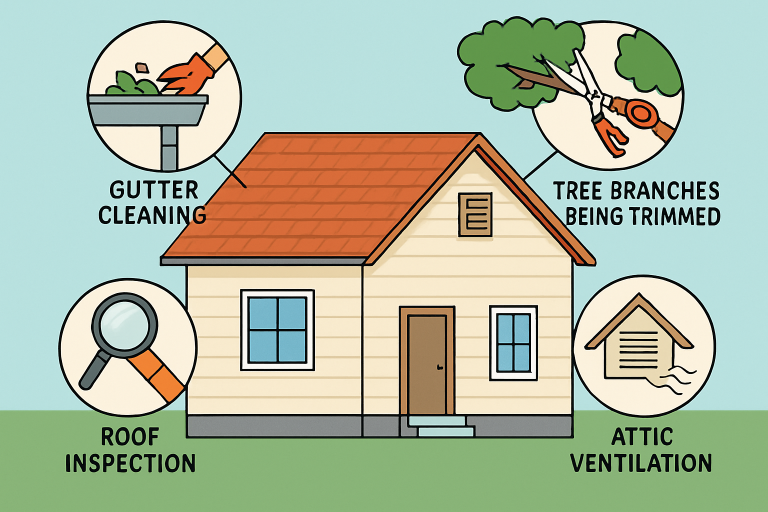
Inspections should be conducted at least twice a year—once in the spring, once in the fall. These checkups help homeowners spot issues such as loose, cracked, or curling shingles, moss growth, or puddles that signal poor drainage. Early detection enables swift repairs, thereby eliminating the risk of water damage or costly restoration in the future. According to Better Homes & Gardens, establishing a routine inspection schedule is the most effective way to extend a roof’s life significantly.
Clean Gutters and Downspouts
Gutters are an overlooked component of effective roof care. When they become blocked with leaves, twigs, and other debris, water can back up, causing leaks, mold, and even foundational damage. Make it a habit to clear your gutters every few months, particularly after shedding season in the fall and heavy rain in the spring. Downspouts should be positioned to channel water at least four to six feet away from your home, keeping the roofing and foundation dry and secure.
Trim Overhanging Tree Branches
Trees provide shade and curb appeal, but can threaten your roof when branches hang too close. Gusty winds or heavy snowfall can bring limbs crashing down, puncturing or scraping off shingles. Regularly trimming branches not only minimizes this risk but also prevents leaves and acorns from accumulating on your roof, reducing the likelihood of mold or moisture buildup. The CDC suggests trimming as an essential home safety measure, particularly before severe weather events.
Ensure Proper Attic Ventilation and Insulation
A well-ventilated and insulated attic prevents problematic heat and moisture buildup. Without ventilation, hot air and humidity rise, potentially causing the underside of your roof to rot and creating an environment conducive to mold growth. Insulation keeps interior temperatures stable, helping reduce your energy bills and preserving roofing materials. Installation of ridge or soffit vents can be an effective solution, especially in older homes that lack modern ventilation standards.
Promptly Repair Damaged Shingles and Flashing
Damaged or missing shingles and compromised flashing around chimney stacks, vents, or skylights are among the most common entry points for water. Left unchecked, these problems escalate into leaks, rot, and interior mold. Schedule prompt repair work by either tackling minor fixes yourself or by consulting a trusted roofing professional, particularly after a storm or high winds. Keeping up with repairs preserves your roof’s watertight seal and overall performance.
Install Gutter Guards
Modern gutter guards are designed to prevent clogs by blocking leaves and debris while allowing water to flow freely. This simple upgrade significantly reduces maintenance and prevents harm caused by overflowing gutters. While not a substitute for occasional cleaning, gutter guards can minimize the risk of ice dams in winter and protect the edge of your roof year-round.
Prepare for Severe Weather
Homes in areas prone to storms, hail, or heavy snowfall benefit from reinforced roofing systems. Consider installing hurricane straps, wind-resistant shingles, or upgraded underlayment for better protection. Inspect your roof and secure any loose shingles or tiles before adverse weather hits. Preparation is key to avoiding emergency repairs and safeguarding the value of your home.
Consult Professional Roofing Services
Periodic assessments from certified roofing contractors ensure that no underlying conditions go unnoticed. Professionals use trained eyes and specialized equipment to detect what homeowners might miss—whether it’s hidden leaks, sagging, or structural weakness. Regular maintenance visits not only catch issues in their infancy but also provide you with tailored guidance for your home and climate.
By proactively caring for your roof through these strategies, you protect your family, prevent major expenses, and boost your property’s value. Regular maintenance, combined with professional advice, will ensure your roof stands strong through every season.