
Deciding when and how to replace a roof is a significant consideration for homeowners, property managers, and builders alike. Roof replacement decisions often hinge on finding the right balance between durability, cost, and sustainability. A roof’s lifespan affects not only upfront expenses but also long‑term performance, energy efficiency, and environmental impact. With a range of materials and methods available, understanding the trade‑offs between resilience and affordability is essential for making informed choices that align with both practical needs and personal values.

Evaluating options for roof renewal means looking beyond the initial price tag. Factors such as expected longevity, maintenance requirements, and the environmental footprint of materials all play a role in shaping a sound decision. Resources that explain different approaches, such as https://www.deltaservices.com/re-roof/, can help clarify what to consider when exploring replacement strategies. By weighing these elements thoughtfully, stakeholders can pursue roof solutions that meet their performance expectations while remaining mindful of broader cost and sustainability goals.
Assessing Your Roof’s Condition
The first step in a roof replacement project is a thorough evaluation of your current roof’s state. Look for visible problems such as broken, curling, or missing shingles; leaks in your attic; water stains on ceilings; or sections that appear warped or sagging. If your roof is over two decades old or repeatedly shows signs of damage after storms, these are strong indicators that replacement is more cost-effective than continuous repairs.
Choosing the Right Materials
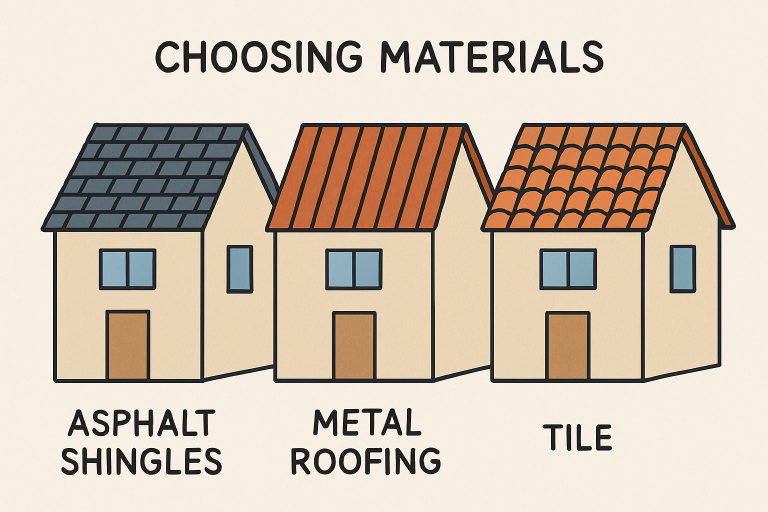
Your choice of roofing materials will determine how long your new roof lasts, how much maintenance it needs, and how well it performs in your local climate. Some of the most popular options include:
- Asphalt Shingles: These are affordable, easy to install, and widely used. They typically last 15 to 30 years, though extreme weather can shorten their lifespan.
- Metal Roofing: While metal roofs cost more upfront, they can last up to a century and are 100 percent recyclable at the end of their life. Their durability makes them a smart investment, especially in regions facing frequent storms or wildfires.
- Tile and Slate: Both are known for their long lifespans and elegant appearance. While heavier and pricier than other materials, tile and slate are well-suited to homeowners seeking low maintenance and maximum durability.
Understanding Cost Implications
The costs associated with roof replacement go beyond the surface price of materials. Labor, removal of old roofing, and the complexity of your roof’s layout also play substantial roles in your project budget. For example, while asphalt shingles have lower upfront costs, they may need to be replaced more frequently than metal or tile roofs, leading to higher long-term costs. Metal roofs may initially cost twice as much but often last three to four times longer. Additionally, insurance premiums and local incentives for sustainable roofs can impact your overall investment.
Prioritizing Sustainability
As environmental awareness grows, sustainable roofing materials have become more accessible and affordable. Choosing products made from recycled or renewable resources can reduce your environmental footprint, and in many areas, cool roofing options qualify for rebates or tax incentives. Metal roofs are a prime example, as they can be produced from recycled steel and are entirely recyclable at the end of their life. Similarly, clay, concrete, or composite tiles last for decades and often require minimal maintenance, reducing landfill waste over time. Opting for products produced or sourced locally can further minimize transportation emissions and support your regional economy.
Enhancing Energy Efficiency
The right roof can do more than protect you from rain and wind; it can help control your home’s temperature and reduce utility bills. Metal roofs with modern reflective coatings, cool-color shingles, or pale tile roofs can reflect sunlight, keeping your home cooler in summer. A well-insulated attic and adequately vented roof system further improve energy efficiency, maintaining comfortable temperatures year-round and lowering demands on your heating and cooling systems. According to the U.S. Department of Energy, cool roofs can yield substantial annual savings, especially in warm climates.
Navigating Weather Resilience
Climate should heavily influence your roofing decisions. If you live in a region prone to hail, hurricanes, or wildfires, selecting resilient materials is essential. Impact-resistant shingles, class 4-rated materials, and reinforced underlayment can help prevent damage from wind and debris. Metal and slate are preferred in fire-prone areas due to their non-combustible properties. In regions with heavy snowfall, be mindful of structural loads and choose roofing systems designed to shed snow efficiently. These features not only safeguard your investment but can also qualify you for lower home insurance rates.
Planning for Long-Term Maintenance
Even the highest quality roof will require regular care. Scheduling annual or biannual inspections can catch minor problems before they become costly repairs. Key maintenance steps include cleaning gutters, removing debris, checking for loose or damaged roofing, and ensuring flashing remains sealed. Documenting these inspections is helpful for warranty claims and potential resale. Consistent, proactive care extends the lifespan of your roof and provides peace of mind through every season.
Conclusion
Replacing your roof is an opportunity to improve your home’s comfort, boost its value, and make decisions that support environmental sustainability. By carefully evaluating your current roof, choosing materials that suit your budget and climate, prioritizing sustainability, and planning for efficient maintenance, you can feel confident that your new roof is both a practical and wise investment.