

Table of Contents
- Importance of Ladder Safety
- Choosing the Right Ladder
- Pre-Use Inspection and Maintenance
- Proper Ladder Setup
- Safe Climbing and Working Techniques
- Training and Education
- Common Mistakes to Avoid
- Conclusion
Workplace safety is paramount, and one of the most overlooked but crucial aspects is ladder safety. Whether you are on a construction site, in a warehouse, or performing routine maintenance tasks, ensuring employees use ladders safely helps mitigate potential risks. Tools like metal platforms can further enhance workplace safety by providing stable and secure working surfaces, thereby reducing the likelihood of slips or falls when accessing elevated areas.
Ladder-related accidents are a leading cause of workplace injuries, making it essential to incorporate safe ladder practices across industries. Implementing comprehensive safety protocols not only protects employees but also positively impacts productivity and organizational morale. By understanding key elements such as proper ladder selection and training, workplaces can drastically reduce the occurrence of preventable incidents.
Modern ladder designs, coupled with ongoing developments in industrial safety, have made significant strides. However, the human factor remains a key variable. Familiarity with various ladder types, materials, and maintenance routines is essential for everyone involved in tasks that require elevated work. With proactive management and adherence to updated safety standards, the prevalence of accidents can be significantly cut.
Employers and workers alike must also stay informed about best practices, regulatory updates, and the latest research on workplace hazards. The Occupational Safety and Health Administration (OSHA) regularly updates its guidelines for ladder safety, ensuring both legal compliance and practical protection for the workforce.
Importance of Ladder Safety
Ladder accidents are unfortunately common in both construction and general industry settings. According to the National Institute for Occupational Safety and Health (NIOSH), ladder falls are among the leading causes of unintentional injury and fatalities in the workplace. Implementing and enforcing effective ladder safety protocols can play a vital role in reducing these incidents, ultimately safeguarding employees and maintaining operational efficiency.
Choosing the Right Ladder
Every ladder has a specific purpose, and using the wrong type increases the risk of accidents. When selecting a ladder, consider:
- Type of Ladder: For interior maintenance, a step ladder is often sufficient. Extension ladders are essential for reaching exterior points such as rooftops. Specialty ladders may be required for unique tasks.
- Material: Aluminum is lightweight and resistant to corrosion, but when working around electrical systems, fiberglass—which is non-conductive—is the safer choice.
- Height and Duty Rating: Only use ladders that provide the appropriate height and are rated for the user’s weight and any additional tools being carried. Verify the ladder’s load rating to ensure compliance with OSHA standards.
Pre-Use Inspection and Maintenance
Routine pre-use inspections are essential for identifying potential hazards before an accident can occur. Scan each ladder for damage, including cracks, bent rungs, missing steps, or slippery surfaces. Never use a damaged ladder—remove it from service, tag it as defective, and arrange for repair or replacement. Periodic deep cleaning and tightening of components will extend ladder life and enhance user safety.
Proper Ladder Setup
Ladder setup is the foundation of safe use. Always position ladders on a stable, level surface. For extension ladders, the 4-to-1 rule—placing the base one foot from the wall for every four feet of ladder length—prevents tipping and ensures stability. Secure both the bottom and top of the ladder whenever possible, and never use makeshift supports such as boxes or barrels to increase the ladder’s height.
Safe Climbing and Working Techniques
Consistent use of safe climbing techniques is essential to prevent falls:
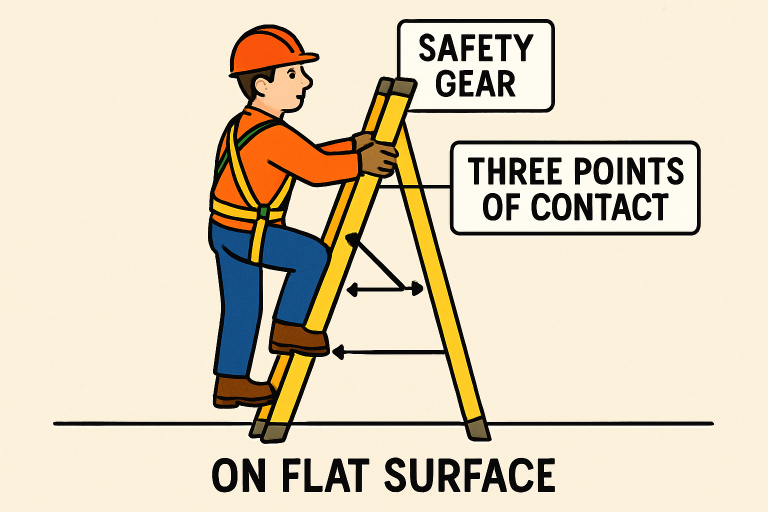
- Three Points of Contact: Keep two hands and a foot, or two feet and a hand, on the ladder at all times.
- Face the Ladder: Always face the ladder when ascending or descending, and keep your body centered between the rails to maintain balance.
- Avoid Overreaching: Instead of leaning out, descend and reposition the ladder as needed, maintaining a safe reach zone throughout use.
Proper personal protective equipment (PPE), such as anti-slip footwear, also helps reduce slip hazards while climbing.
Training and Education
Comprehensive training is a non-negotiable aspect of ladder safety. Regular instruction should reinforce proper selection, inspection, setup, and correct climbing techniques to ensure safe use. According to the Centers for Disease Control and Prevention (CDC), continual education and refresher courses ensure both new and veteran employees are equipped with up-to-date knowledge, thereby reducing workplace accidents.
Common Mistakes to Avoid
Staying vigilant means being aware of the most common causes of ladder-related incidents. Avoid:
- Using ladders that are too short or unfit for the job.
- Ignoring the weight capacity of the ladder.
- Setting up ladders on unstable, uneven, or slippery surfaces.
- Climbing ladders in inclement weather or strong winds, especially outdoors.
- Overlooking the necessity of PPE and pre-use inspections.
Conclusion
Proper ladder practices, thorough inspections, and regular education are the pillars of workplace safety where elevated work is involved. By selecting the right equipment, carefully maintaining ladders, setting them up properly, and adhering to proven safety techniques, businesses can ensure their employees’ well-being and minimize costly accidents. Making safety a team priority sets a lasting standard across your organization.