

Introduction: The Transformative Power of a Modern Rug
A single rug instantly transforms any room, adding warmth, texture, and a fresh style. For many, updating home decor can feel overwhelming, especially when balancing aesthetics with budget. However, we believe that modern, inexpensive rugs offer the perfect solution. They allow you to refresh your living spaces without a significant investment.
In this comprehensive guide, we’ll explore everything you need to know about finding the perfect modern rug that fits your taste and wallet. We’ll decode what makes a rug “modern,” examine the best materials for durability and feel, and uncover where to find the best deals. We’ll also provide practical tips on sizing, placement, and avoiding common pitfalls. Our goal is to empower you to make informed choices, making it easier than ever to find beautiful, affordable modern area rugs that won’t break the bank. Get ready to lift your home’s style with confidence and smart savings!

Decoding the ‘Modern’ in Modern Rugs
When we talk about ‘modern’ rug style, we’re referring to a broad aesthetic emphasizing clean lines, simplicity, and functionality. Unlike ornate traditional rugs, modern rugs often accept minimalism, geometric precision, and a focus on form over excessive ornamentation. This style draws inspiration from various design movements, including Mid-Century Modern, Scandinavian, and contemporary art, prioritizing uncluttered spaces and thoughtful design. To truly grasp the essence of this style, it helps to understand the latest trends in modern decor that influence rug design.
Popular Patterns and Prints
Modern rugs distinguish themselves with their innovative and often striking patterns. Gone are the days of solely floral or medallion motifs. Instead, we see a prevalence of:
- Geometric patterns: Think crisp lines, squares, triangles, hexagons, and interlocking shapes. These designs add structure and a sense of order to a space, making geometric rugs a cornerstone of modern decor.
- Abstract designs: These rugs feature fluid shapes, brushstrokes, and non-representational forms, often resembling art pieces for your floor. Abstract rugs can introduce a dynamic and creative element to a simple room.
- Mid-Century Modern motifs: These patterns, characterized by organic shapes, atomic patterns, and a playful yet sophisticated vibe, evoke a sense of retro-futurism.
- Color blocking: Large sections of solid color arranged in bold, contrasting, or complementary blocks create a strong visual statement.
- Minimalist textures: Sometimes, the pattern isn’t in the design but in the texture itself, with subtle variations in pile height or weave creating visual interest.
- Trellis patterns: A classic yet versatile design, modern trellis rugs offer a symmetrical, grid-like pattern that works well in contemporary and transitional spaces.
- Distressed or faded looks: While seemingly contradictory to ‘modern,’ a thoughtfully distressed rug can add a layer of depth and history, creating a sophisticated, lived-in modern aesthetic. This style often blurs the line with vintage rugs, offering a contemporary take on classic designs.
The Modern Color Palette
The color scheme for modern rugs tends to be understated yet impactful. Neutrals form the backbone, providing a versatile foundation that complements various interior styles.
- Neutral tones: Grey, beige, white, and cream are perennial favorites, offering a calming and sophisticated backdrop. These colors create a sense of spaciousness and allow other decor elements to shine.
- Monochrome schemes: Black and white rugs are timeless and effortlessly chic, providing an undeniably modern high-contrast focal point.
- Bold accent colors: While neutrals dominate, modern rugs aren’t afraid of a pop of color. Deep blues, emerald greens, mustard yellows, or rich terracotta can be introduced through abstract patterns or color blocking to add personality and vibrancy.
- Muted hues: Soft, desaturated versions of colors like dusty rose, sage green, or muted teal can bring a subtle sophistication.
- Earth tones: Inspired by nature, shades of brown, terracotta, and olive green can add warmth and an organic feel to a modern space, often seen in styles like Modern Gabbeh rugs.
A modern rug feels current and fresh and aligns with contemporary design sensibilities. Whether it’s the stark simplicity of a geometric pattern or the subtle texture of a neutral weave, these rugs are designed to improve and complete a thoughtfully curated space. Many of these styles can be found among our extensive collection of modern and contemporary rugs.
Materials and Construction: What Your Inexpensive Rug is Made Of
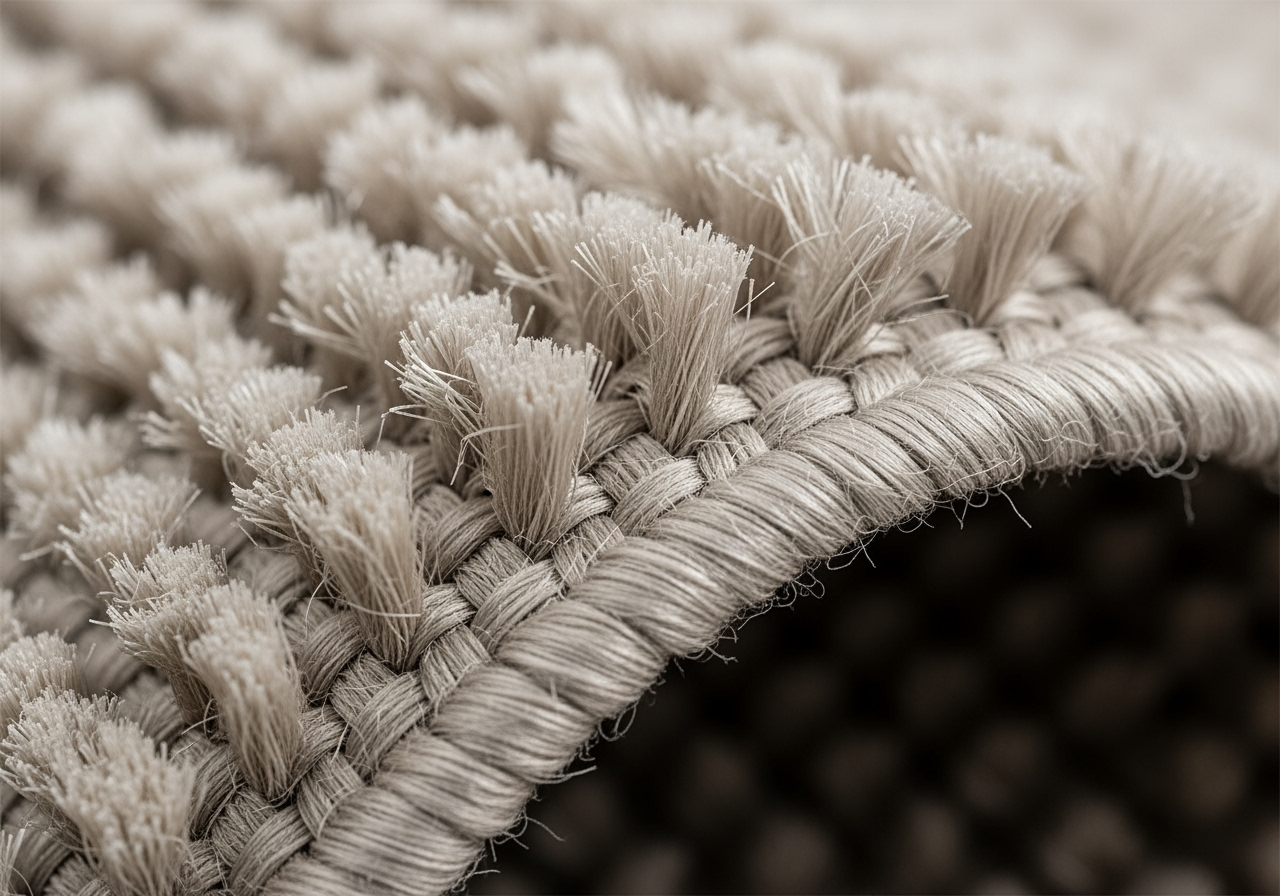
A rug’s materials and construction methods are crucial factors that determine its durability, feel, and, most importantly for our discussion, its price point. Understanding these elements helps us make informed choices that balance cost, quality, and longevity when seeking modern, inexpensive rugs.
Synthetic Fibers: The Budget-Friendly Champions
Synthetic fibers are the heroes of the affordable rug world, offering impressive performance at a fraction of the cost of natural alternatives.
- Polypropylene (Olefin) is perhaps the most common and budget-friendly synthetic fiber. Polypropylene rugs are highly stain-resistant, fade-resistant, and incredibly durable, making them ideal for high-traffic areas and homes with pets and children. They are also easy to clean and often come in vibrant colors. While they may not have the luxurious feel of wool, advancements in manufacturing have significantly improved their softness.
- Polyester: Known for its soft, plush feel and vibrant color retention, polyester is another popular choice for inexpensive rugs. It’s also stain-resistant, though perhaps not as much as polypropylene, and can mimic the look of wool or silk. Polyester rugs are often found in shaggy rug styles, offering a cozy texture.
- Nylon: While generally more expensive than polypropylene or polyester, nylon rugs offer superior resilience and durability, making them excellent for high-traffic areas. You can sometimes find nylon blends at more affordable price points.
Affordable Natural Fibers
While many natural fiber rugs can be costly, some excellent budget-friendly options bring organic texture and eco-conscious appeal to modern spaces.
- Jute and Sisal: These plant-based fibers offer a distinct, earthy texture and are excellent for adding a natural, bohemian, or minimalist touch. They are durable, eco-friendly, and biodegradable. However, they are best suited for low-to-medium traffic areas as they can be more challenging to clean and may not withstand heavy moisture.
- Cotton: Cotton rugs are soft, lightweight, and often machine-washable, making them a practical choice for bedrooms, bathrooms, and kitchens. They are generally less durable than wool or synthetics for high-traffic areas but offer comfort and come in many colors and patterns, including many modern designs. Kilim rugs, often made from cotton or wool, are a great example of flatweave construction that can be both modern and affordable.
- Wool Blends: While 100% wool rugs can be pricey, wool blends (e.g., wool mixed with synthetic fibers) offer some of the durability and luxurious feel of wool at a lower price point. These can be a good compromise for those seeking a natural fiber with improved performance.
Construction Methods and Their Impact
How a rug is constructed significantly influences its cost, durability, and overall feel.
- Construction Method Cost Durability Feel Maintenance Machine-Made Low to Medium Good to Excellent Varies (synthetic soft) Easy (vacuum, spot clean) Flatweave Low to Medium Good Firm, textured Easy (vacuum, shake out) Tufted Medium Moderate Soft, plush Moderate (shedding, professional cleaning) Machine-Made (Power-Loomed): The vast majority of inexpensive modern rugs are machine-made using power looms. This allows for rapid production and consistent quality, bringing down costs. These rugs can be made from various synthetic fibers and offer good durability and a wide range of designs.
- Flatweave: These rugs are woven without a pile, resulting in a thin, reversible, highly durable product. Examples include Kilims and some jute rugs. They are generally inexpensive, easy to clean, and perfect for layering or high-traffic areas where a low profile is desired.
- Tufted Rugs: In tufted rugs, yarn is punched through a fabric backing, often with a latex adhesive applied to hold the fibers in place. While they offer a soft, plush feel, they can be prone to shedding, especially initially. They sit in a mid-range price point, often more affordable than hand-knotted but potentially more expensive than machine-made. Many modern Moroccan rugs are machine-tufted or power-loomed to make the style more accessible.
By understanding these materials and construction techniques, we can better assess the value and suitability of an inexpensive modern rug for our specific needs and budget.
Finding the Perfect Fit: A Guide to Rug Size and Placement
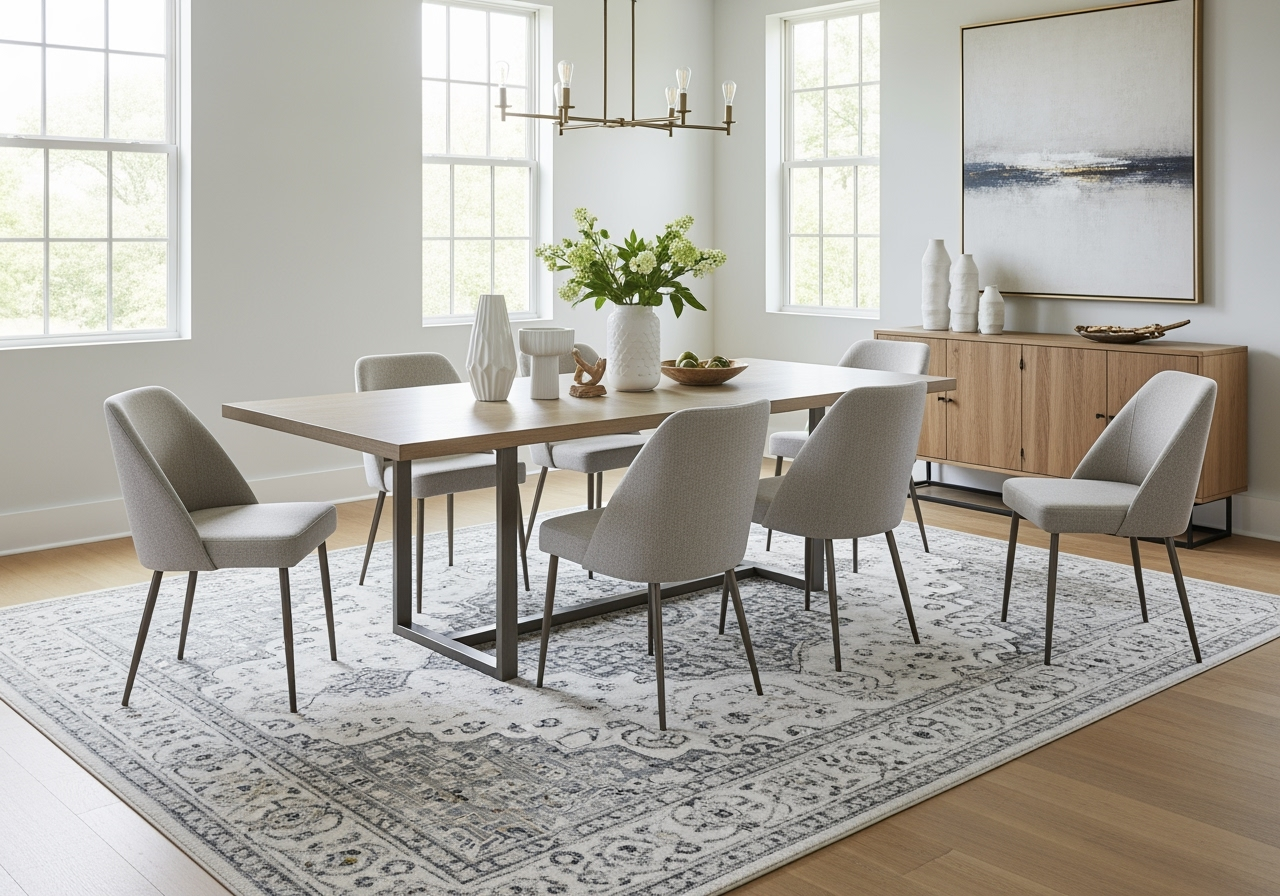
Choosing the right rug size and placing it correctly are paramount to achieving a cohesive and aesthetically pleasing modern living space. An ill-sized rug can make a room feel disproportionate or unfinished, while a well-chosen one can anchor furniture, define zones, and improve the overall visual balance.
Sizing for the Living Room
The living room is often the heart of the home, and the rug here plays a critical role. There are several common approaches to sizing:
- All Furniture on the Rug: This creates a luxurious and grounded feel for larger living rooms. The rug should be large enough so that all major furniture pieces (sofa, armchairs, coffee table) can sit entirely on it, with at least a few inches of rug extending beyond each piece.
- Front Legs on the Rug: This is a popular and versatile option for many room sizes. The front two legs of your sofa and armchairs should rest on the rug, visually connecting the seating arrangement.
- Floating Layout (Coffee Table Only): For smaller living rooms or a more minimalist look, a rug that accommodates only the coffee table and perhaps the front legs of an accent chair can work. Unlike a bathmat, ensure the carpet is still large enough to feel substantial.
- Using Tape to Outline: Before purchasing, we recommend using painter’s tape to outline the desired rug dimensions on your floor. This helps visualize the size in your actual space and ensures it complements your furniture arrangement.
Consider the room’s dimensions and the furniture you have. For instance, while the average price for a 6’x9′ living room rug is $129, a larger 8’x10′ indoor area rug, which typically costs around $340, might be necessary to achieve the “all furniture on” look in a spacious room.
Sizing for the Dining Room and Bedroom
Different rooms call for different sizing strategies.
- Dining Room Rule: The rug should be large enough so that when chairs are pulled out from the dining table, their back legs remain on the carpet. A good rule of thumb is to have the rug extend at least 24 inches beyond the edge of the dining table on all sides. This prevents chairs from catching on the rug’s edge and protects your flooring from scuffs.
- Bedroom Placement: Under the Bed: The most common approach is to place a large rug under the bed. For a queen or king-sized bed, an 8’x10′ or 9’x12′ rug will typically extend nicely beyond the sides and foot of the bed, providing a soft landing.
- Two-Thirds of Bed on Rug: Alternatively, you can place the rug so that it starts about two-thirds of the way down from the headboard and extends out from the sides and foot.
- Runners on Each Side: For smaller bedrooms or if you have a unique bed frame, two narrow runner rugs placed on either side of the bed can add comfort and style without overwhelming the space.
The Impact of Shape: Round, Runner, and Rectangular
While rectangular rugs are the traditional and most common choice, other shapes can dramatically alter a room’s aesthetic.
- Rectangular Rugs: These are versatile and work well in most rooms, providing clear boundaries and a classic foundation.
- Round Rugs: A round rug can soften a room’s angularity, add a playful touch, and define specific zones within an open-plan layout. They work beautifully under round dining tables, in entryways, or to delineate a reading nook.
- Runner Rugs: Ideal for hallways, entryways, and kitchens, runner rugs protect high-traffic areas, add a pop of color or pattern, and visually elongate a space.
By carefully considering the size and shape of your moderate, inexpensive rug, we can ensure it enhances rather than detracts from your home’s overall design.
Smart Shopping for Modern Affordable Rugs

Finding a modern rug that fits your style and budget requires a savvy approach. It’s not just about finding the cheapest option; it’s about identifying quality within an affordable price range and making informed choices to avoid common pitfalls.
How to Identify Quality in Modern Affordable Rugs
Even when shopping for inexpensive rugs, there are indicators of quality that can help ensure your purchase lasts.
- Pile Density Test: For rugs with a pile (like shags or tufted rugs), try to see the backing. The less backing you can see, the denser the pile, which generally indicates better quality and durability.
- Bending the Rug: If possible, bend a corner of the rug. It suggests a more robust construction if it feels stiff and doesn’t easily fold.
- Backing Materials: Look for sturdy backing materials. While latex is standard for synthetic rugs, a well-applied latex backing is better than one that is crumbling or uneven. Jute backing is also a good, durable option for many machine-made rugs.
- Edge Finishing: Check the rug’s edges. They should be neatly finished, either serged (overlocked stitching) or bound (fabric tape sewn around the edge). Poorly finished edges can be solved quickly.
- Reading Customer Reviews: This is invaluable, especially when buying online. Look for consistent feedback on durability, color accuracy, and shedding.
- Checking for Certifications: While less common for truly inexpensive rugs, some may carry certifications for low VOCs (Volatile Organic Compounds) or sustainable manufacturing, indicating a commitment to quality and health.
The Rise of Washable Rugs: A Practical Choice
One of the most significant innovations in affordable rug technology is the advent of washable rugs. These are a game-changer for modern homes, particularly those with:
- Pets and Kids: Spills, dirt, and accidents are inevitable. Washable rugs allow for easy cleanup, keeping your home fresh and hygienic.
- High-Traffic Areas: Entryways, kitchens, and living rooms can be improved by simply tossing the rug in the washing machine.
- Two-Piece Rug Systems: Some brands offer innovative two-piece systems where a decorative rug cover attaches to a non-slip pad. This makes washing large rugs much more manageable.
- Materials for Washability: Look for rugs made from cotton, polyester, or specific synthetic blends designed to withstand machine washing without losing shape or color. This offers incredible low-maintenance living without compromising on style.
Where to Find the Best Deals
The good news is that modern, inexpensive rugs are widely available. Here’s where we recommend looking:
- Online Marketplaces: Websites like Amazon, Wayfair, and Overstock offer vast selections and frequent sales.
- Big-Box Retailers: Stores like The Home Depot and Walmart have significantly expanded their rug selections, offering competitive pricing and a range of modern styles. Local Walmart stores, such as the Walmart Rug Store in Charlotte, NC, can be a convenient option for those in specific areas.
- Budget-Friendly Home Stores: Retailers like IKEA are renowned for their stylish yet affordable home decor, including various modern rugs.
- End-of-Season Sales and Clearance: Look for holiday sales, seasonal clearances, and flash deals. Signing up for newsletters from your favorite retailers can alert you to these opportunities.
- Dedicated Online Stores: Exploring dedicated online stores can reveal a vast selection of affordable modern area rugs with specialized curation and often detailed product information.
- Local Outlets and Specialty Stores: If you prefer to see and feel rugs in person, check out local rug stores. Places like Carpet and Rug Superstore in Charlotte, NC, or furniture outlets in areas like Hickory, NC, might offer discounted options or unique finds.
Common Pitfalls When Buying Rugs Online
While online shopping offers unparalleled convenience and selection, it comes with its own set of challenges. Here are some common pitfalls to avoid:
- Color Discrepancies: What you see on your screen might not be what you get in person. Monitor settings can alter colors significantly.
- Ignoring Pile Height: A rug might look plush in a photo, but be very thin. Always check the pile height in the product description.
- Not Checking Return Policies: Ensure the retailer has a clear and reasonable return policy, especially for large items like rugs. Who pays for return shipping? Is there a restocking fee?
- Forgetting a Rug Pad: Many inexpensive rugs don’t come with a rug pad, which is essential for safety, comfort, and longevity. Factor this into your budget.
Some retailers offer swatches or augmented reality tools to mitigate color issues. When in doubt, read reviews where customers post photos of the rug in their home.
Frequently Asked Questions about Modern Affordable Rugs
Are inexpensive modern rugs durable?
The durability of inexpensive modern rugs varies significantly based on their material and construction.
- Material Choice: Synthetic fibers like polypropylene are exceptionally durable and stain-resistant, making them excellent for high-traffic areas. Polyester offers good durability with a softer feel. Natural fibers like jute and sisal are also quite durable, but best suited for areas with less moisture and foot traffic.
- Construction Type: Machine-made (power-loomed) rugs are generally durable due to their tight, consistent weave. Flatweave rugs are also very robust. Tufted rugs can be long-lasting, but watch out for excessive shedding, indicating lower quality.
- Role of a Rug Pad: Using a good-quality rug pad significantly extends the life of any rug, inexpensive or otherwise, by providing cushioning and reducing wear and tear.
With proper care and realistic expectations, many inexpensive modern rugs can offer several years of stylish service.
How do I clean a modern, inexpensive rug?
Cleaning instructions depend heavily on the rug’s material and construction.
- Always Check the Label. This is your first and most crucial step. The manufacturer’s care instructions are specific to your rug.
- Vacuuming Regularly: All rugs must be vacuumed regularly to remove dirt and debris before they settle deep into the fibers.
- Spot Cleaning Synthetics: Most synthetic rugs (polypropylene, polyester) are highly stain-resistant. Blot spills immediately with a clean cloth and a mild detergent solution.
- Washable Rugs: If your rug is designated as washable, follow the washing machine instructions carefully (cold water, gentle cycle, air dry).
- Tips for Jute and Sisal: These natural fiber rugs are more moisture-sensitive. Spot clean with minimal water and ensure they dry thoroughly to prevent mildew. A comprehensive guide to cleaning different rug materials can be invaluable for more detailed guidance.
- Professional Cleaning: While you might not want to invest in professional cleaning for a very inexpensive rug, it can be an option for stubborn stains or for extending the life of a slightly pricier, affordable carpet.
Do I really need a rug pad for an inexpensive rug?
Yes, absolutely! A rug pad is a non-negotiable accessory for almost any rug, regardless of price. Here’s why:
- Prevents Slipping: This is the primary safety benefit, especially on hard flooring surfaces. A non-slip pad keeps the rug securely, preventing trips and falls.
- Protects Floors: The pad acts as a barrier, preventing the rug’s backing from scratching or damaging your hardwood, laminate, or tile floors.
- Adds Cushioning and Comfort: A good pad adds an extra layer of softness underfoot, making the rug feel more luxurious and comfortable.
- Extends the Life of the Rug: A rug pad prevents premature wear and tear by absorbing impact and reducing friction, helping your inexpensive rug last longer.
- Types of Rug Pads: There are various types, including felt for cushioning, rubber for a non-slip grip, or a felt-rubber combo for both benefits. Choose one appropriate for your flooring type.
Investing a small amount in a quality rug pad will significantly improve your rug’s performance and longevity.
Conclusion: Tying It All Together
We’ve explored the exciting world of inexpensive modern rugs, demonstrating that stylish savings are within reach. By understanding what defines a ‘modern’ aesthetic—from geometric patterns and abstract designs to a palette of neutrals and bold accents—we can confidently select rugs that lift our living spaces. We’ve dignified the materials, highlighting the durability of synthetics like polypropylene and the natural charm of jute, along with how construction methods impact cost and feel.
Getting the size and placement right is crucial, changing a mere floor covering into a foundational element that anchors furniture and defines zones. Innovative shopping strategies, including knowing where to find deals and how to spot quality, can help us avoid common pitfalls and make informed decisions. The rise of washable rugs further underscores the practicality and convenience now available in the affordable modern rug market.
A modern, inexpensive rug is more than just a purchase; it’s an investment in your home’s comfort, style, and personality. It proves you don’t need a lavish budget for a sophisticated and contemporary look. So measure your space, explore the myriad designs, and score stylish savings that will transform your home into a haven of modern elegance.