

Every homeowner knows that a strong, reliable roof is key to protecting their home’s interior year-round. No matter the season, regular roof maintenance is essential to protect your property from unpredictable Canadian weather, from spring rains to harsh winter snows. By staying proactive with your roof care, you can spot minor issues before they escalate into costly repairs and ensure your home remains safe and dry. If you’re currently facing leaks or worried about recent wear and tear, consider scheduling an inspection with a trusted local specialist—see Ottawa Roof Leak Repair for prompt help in the Ottawa area.
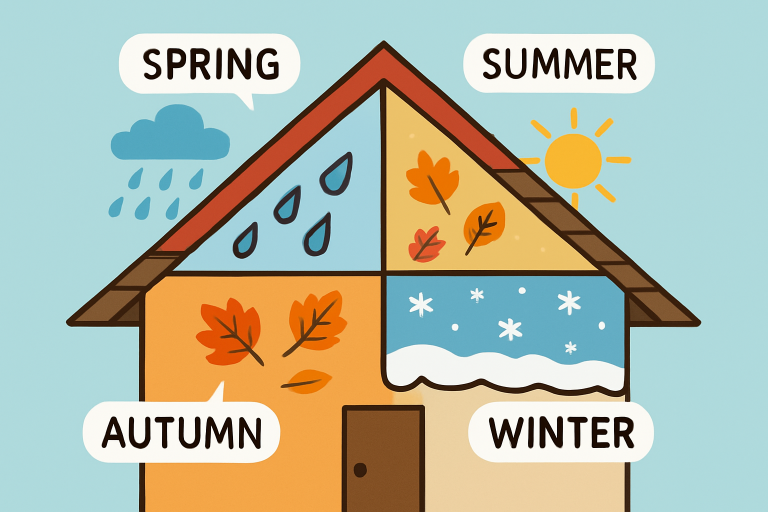
Roof maintenance is a year-round responsibility, with each season presenting unique challenges like clogged gutters, windstorms, and snow damage. Regular inspections and preventive care help identify issues such as damaged shingles, poor ventilation, or insulation gaps before they become costly problems. Seasonal strategies like clearing gutters in autumn, checking ventilation in summer, and removing snow in winter protect your roof, improve energy efficiency, and enhance curb appeal. Prompt maintenance after severe weather is crucial to prevent minor damage from worsening, making consistent roof care a smart investment for Canadian homeowners.
Spring: Inspection and Cleaning
With the arrival of spring, it’s vital to closely inspect your roof for any damage left by snow and ice. Begin with a visual review from the ground, looking for cracked, curling, or missing shingles, as these are common issues after winter weather. Prompt repair now can keep water from seeping into your attic or walls.
- Inspect Shingles: Check for cracked, curled, or missing shingles. Replacing these early helps prevent leaks and water damage.
- Clean Gutters: Remove built-up debris and leaves to ensure clear, functional drainage. Clogged gutters can cause water to overflow, foundation issues, and even roof leaks.
- Check Flashing: Examine the flashing around chimneys, vents, and skylights. Any gaps or rust should be addressed immediately to prevent water from entering.
Summer: Heat and Humidity Management
Summer brings high temperatures, intense sun, and humidity—conditions that can take a toll on your roof’s materials. Proper attic ventilation is crucial to prevent heat from building up beneath the roof, which can lead to premature shingle wear and an increased risk of mildew and mold in the attic.
- Ensure Adequate Ventilation: Make sure your attic has proper airflow. This helps release trapped heat, reducing strain on roofing materials and improving your home’s energy efficiency.
- Inspect for Mold and Algae: Warm, humid conditions favor the growth of mold, algae, and moss. Regularly check and clean affected areas to preserve the roof’s integrity and appearance.
- Trim Overhanging Branches: Branches overhanging your roof can scrape shingles and drop debris, inviting pests and accelerating wear. Cutting back trees helps keep your roof clear and free of damage.
Fall: Preparing for Winter
In autumn, prepare your roof for the colder months ahead by clearing your gutters and downspouts again. This step is essential for preventing dangerous ice dams, which form when water backs up behind blockages and freezes, causing major leaks and even structural issues.
- Clean Gutters and Downspouts: Keep them free of leaves and debris to prevent freezing.
- Inspect Roof Valleys: Roof valleys tend to collect leaves and debris. Clear them out to ensure water can flow freely off your roof.
- Check Attic Insulation: Ensure your attic is well-insulated and well-ventilated. This not only helps control your home’s temperature, but it also prevents heat loss that contributes to ice dam formation.
Winter: Snow and Ice Damage Prevention
During winter, heavy snowfall and freezing temperatures can threaten even sturdy roofs. Excess snow places significant weight on your roof, and any existing vulnerabilities—like loose shingles or flashing—can become major entry points for moisture.
- Remove Snow Buildup: Use a roof rake to safely remove snow, especially after heavy storms. Too much snow can stress the roof structure and, in extreme cases, cause collapse.
- Monitor for Ice Dams: Keep an eye out for ice dams along the roof edge. These blockages prevent melting snow from draining properly and can force water back beneath shingles, causing leaks.
- Inspect for Leaks: Periodically check your attic for any signs of water entry—especially after thaws or rain on snow. Early detection is crucial to preventing bigger damage.
General Maintenance Tips
Some roof-care steps are essential year-round. Regular professional inspections, for example, help catch developing issues before they require costly repairs. At the same time, routine maintenance, such as removing debris and keeping gutters clear, ensures your roof is always ready for the weather. According to This Old House, following these preventive steps can help extend your roof’s lifespan and avoid costly repairs.
- Schedule Regular Inspections: Have a qualified roofing contractor inspect your roof at least once a year to identify and address problems early.
- Maintain Landscaping: Regularly trim trees and plants near your roof to minimize the risk of impact damage and blockages.
- Complete Repairs Promptly: Don’t wait to address minor issues like missing shingles, damaged flashing, or minor leaks. Quick action always saves money and prevents further damage.
When to Call a Professional
Although diligent homeowners can complete some roof maintenance tasks, certain circumstances demand the expertise of a professional. Call a roofing contractor after major storms, for persistent leaks that resist basic fixes, or whenever you notice structural issues like sagging or widespread water damage. Attempting DIY repairs in these situations may create further issues and increase the scope—and cost—of future work.
By adhering to these thorough, seasonally appropriate maintenance strategies, homeowners can maximize the lifespan of their roofs and better protect their homes from the unpredictable weather typical of Ottawa and much of Canada. A small investment in ongoing care could ultimately save you substantial time, money, and complications down the road.