
Key Takeaways
- Unusual noises, especially at night, are early warning signs of wildlife presence.
- Damage to your home’s exterior often suggests entry points for animals.
- Persistent foul odors and scattered droppings indicate active infestations.
- Timely response is critical for maintaining health and minimizing property damage.

Realizing that your home may be hosting uninvited wildlife guests can be stressful and potentially dangerous for both your property and residents. Small signs, if caught early, can help you address the situation before it escalates. Knowing what to watch out for allows homeowners to take swift action and collaborate with critter control experts to protect their living spaces successfully. Many types of wildlife, such as squirrels, raccoons, bats, and rodents, can find their way inside homes in search of food, warmth, or safe nesting areas. Their presence can create health hazards and cause significant damage to your house. Learning to identify the clues left behind by these animals is vital for keeping your property secure and your family healthy. Failing to act on early signs of unwanted wildlife can result in extensive repairs, exposure to disease, and an ongoing infestation that becomes increasingly difficult to manage over time. Recognizing the signs is the first step toward prevention and a safe, comfortable home environment for everyone. This article will help you identify the most common signals of wildlife intrusion, explain what each sign means, and outline what you should do if you suspect animals have made your home their own.
Unusual Noises
One of the first hints that wildlife may have entered your property is the emergence of unfamiliar sounds. Scratching, scurrying, or thumping noises can often be heard at night when many animals are active and moving about unseen. Pay close attention to sounds coming from your attic, behind your walls, or from the ceiling; they may indicate rodents, raccoons, or other animals seeking warmth and food. Consistent noises in the same spot signal a possible nest or established route inside your home.
Visible Damage to Your Home
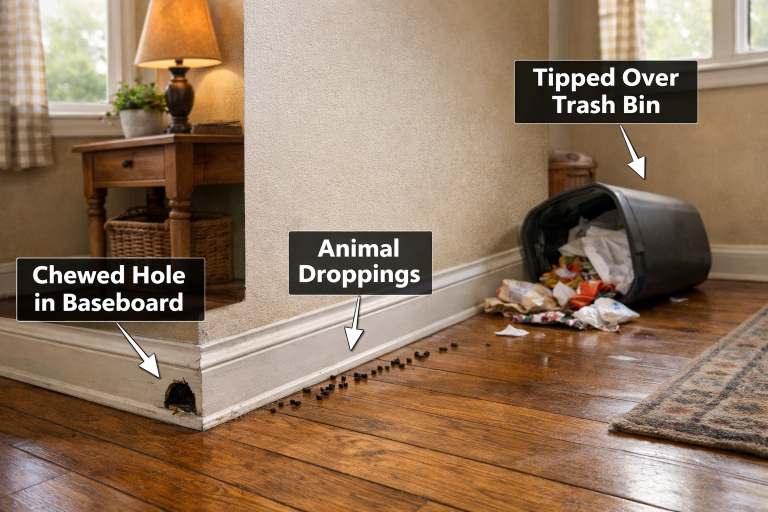
Animals looking for a place to call home frequently cause visible physical damage. Common signs include chewed siding, gnawed wooden beams or soffits, and damaged fascia boards. You may also observe small holes, cracks, or tunnels in your walls, floors, or foundation. Wildlife can enlarge tiny openings to gain entry, weakening your home’s structure and eventually offering easy access to more pests. Regular inspections of the exterior can help catch and repair this type of damage early, reducing the likelihood of a severe infestation.
Foul Odors and Droppings
Persistent bad smells in your home can be another red flag. Musky, pungent scents typically indicate the presence of animals, while a sharp, ammonia-like smell might come from urine. Hidden nesting sites or decaying debris can worsen these odors. You may also come across droppings in basements, attics, or garages. The shape, size, and location of droppings can help you identify the type of wildlife present. For example, rodent droppings are small and dark, while raccoon feces are larger and cylindrical.
Behavioral Changes in Pets
Dogs and cats are sensitive to the smells and sounds of wildlife. If your usually calm pet becomes restless, starts barking or meowing at certain spots, or seems agitated in areas near walls or doors, this could signal animal activity. Pets may also paw at doors or floors where they detect unfamiliar scents. Observing unusual or persistent changes in your pet’s behavior is an important way to catch infestations that have not produced more obvious signs.
Nests and Debris
Finding a nest is a strong indication that wildlife is living inside your house. Animals often gather shredded paper, insulation, leaves, or fabric and stow them away in hidden spaces, such as attics, behind walls, or in closets. Nests may include food scraps, fur, or feathers, which can attract secondary pests and increase health risks for humans. Routine checks of less-frequented areas help prevent animals from settling in and multiplying inside your home.
Tracks and Footprints
Footprints or tracks in dust-prone spots, such as basements, crawl spaces, or attics, often reveal an animal’s path. Different species leave unique prints: raccoon tracks resemble small human hands, squirrels leave elongated marks, and opossums create triangular shapes. By identifying the prints, you can better understand which type of animal has entered your home and how it moves about. This information is useful when discussing removal strategies with professionals. More information on wildlife identification is available through National Geographic resources.
Yard Damage
Indications of unwanted wildlife are not restricted to your home’s interior. Burrows in your lawn, torn plant beds, and toppled garbage cans suggest the presence of wildlife such as skunks, moles, voles, or raccoons. Gardeners may also notice chewed plants and dug-up bulbs. These exterior signs often indicate that animals are nearby and may soon move indoors if they are not already inside.
Taking Action
Once you spot any of these signs, prompt intervention is essential. Wild animals can transmit diseases, cause allergy flare-ups, and inflict expensive property damage. Enlist the help of licensed wildlife removal professionals who follow humane and safe practices. They can identify the specific invaders, remove them ethically, and recommend steps to seal entry points and prevent a repeat problem. After animal-proofing your home, remain alert for any new signs and educate household members on best practices for food storage and waste disposal. Early identification and quick action can help safeguard your home from recurring wildlife issues. Staying aware of common warning signs gives you the upper hand in maintaining a safer, healthier living space for you and your loved ones.
Conclusion
Recognizing the early warning signs of wildlife intrusion is essential for protecting both your home and your family’s health. From unusual nighttime noises to visible damage, foul odors, and droppings, these indicators should never be ignored. Even subtle changes, like shifts in your pet’s behavior or small signs of nesting, can point to a growing problem that needs immediate attention. Taking swift action not only prevents further property damage but also reduces the risk of exposure to harmful bacteria and diseases. By staying vigilant, conducting regular inspections, and addressing issues promptly, you can avoid costly repairs and long-term infestations. When in doubt, seeking professional help ensures the situation is handled safely and effectively. Ultimately, a proactive approach is your best defense. Keeping your home secure, clean, and well-maintained will go a long way in preventing unwanted wildlife from turning your living space into theirs.