
The Connection Between HVAC Systems and Indoor Air Quality

Our homes are meant to be sanctuaries, places where we can relax and escape the elements. However, for many, the indoor air quality can be a hidden source of discomfort, particularly for allergy sufferers. The very system designed to keep us comfortable—our HVAC system—can inadvertently contribute to indoor allergies if not properly managed.
How does an HVAC system contribute to indoor allergies? An HVAC system circulates air throughout your home, heating or cooling it as needed. While this process is essential for comfort, it can also become a superhighway for allergens. When air is drawn into the return vents, it carries any airborne particles in your living space. If your system’s filtration is inadequate or if ducts are dirty, these allergens are then distributed through the supply vents into every room. This constant recirculation means that, instead of removing irritants, your HVAC system can continuously spread them, turning your home into an allergen-filled environment. This is why understanding the connection between your HVAC system and indoor air quality is paramount for effective allergy relief.
What are the common indoor allergens that circulate through HVAC systems? A variety of microscopic invaders can make their way into your HVAC system and, subsequently, into your lungs. We often encounter these common culprits:
- Dust Mites: These tiny creatures thrive in warm, humid environments and feed on dead skin cells. Their waste products are potent allergens. Studies show that eight out of 10 people in the United States are exposed to dust mites, making them a widespread issue.
- Pet Dander: Flakes of skin shed by animals like cats and dogs are a significant allergen. Six out of 10 people in the United States are exposed to cat or dog dander, which can remain airborne for hours and easily get drawn into your HVAC system.
- Pollen: While often associated with the outdoors, pollen can easily enter your home through open windows, on clothing, or even on your pets. Once inside, your HVAC system can distribute it throughout the house.
- Mold Spores: Mold thrives in damp conditions. If there’s any moisture within your HVAC system (e.g., in the evaporator coil or ductwork), mold can grow and release spores that are then circulated throughout your home, triggering allergic reactions and respiratory issues.
- Other Irritants: This can include bacteria, viruses, volatile organic compounds (VOCs) from cleaning products or building materials, and even tiny insect fragments.
These allergens can accumulate in the ductwork, coils, and other components of your HVAC system, becoming a reservoir that continuously reintroduces them into your indoor air.
What are the signs that an HVAC system might be worsening allergy symptoms? Recognizing the signs that your HVAC system might be exacerbating your allergies is the first step toward finding relief. If you or your family members experience any of the following, your HVAC system could be part of the problem:
- Persistent Allergy Symptoms Indoors: If you constantly experience sneezing, coughing, watery eyes, a scratchy throat, or nasal congestion primarily when you are inside your home, especially when the HVAC system is running.
- Worsening Symptoms with System Use: Noticing that your allergy symptoms intensify when the heating or cooling system kicks on suggests that allergens are being stirred up and circulated.
- Musty Odors: A persistent musty or damp smell coming from your vents could indicate mold or mildew growth within your HVAC system or ductwork.
- Visible Dust Accumulation: Excessive dust buildup on surfaces, particularly around air registers and vents, suggests that your system isn’t effectively filtering particles or that your ducts are heavily contaminated.
- Frequent Illness: An increase in respiratory infections, colds, or asthma flare-ups among household members may indicate poor indoor air quality.
Addressing these signs promptly can significantly improve your indoor environment and provide much-needed allergy relief.
High-Efficiency Filtration and Purification Solutions
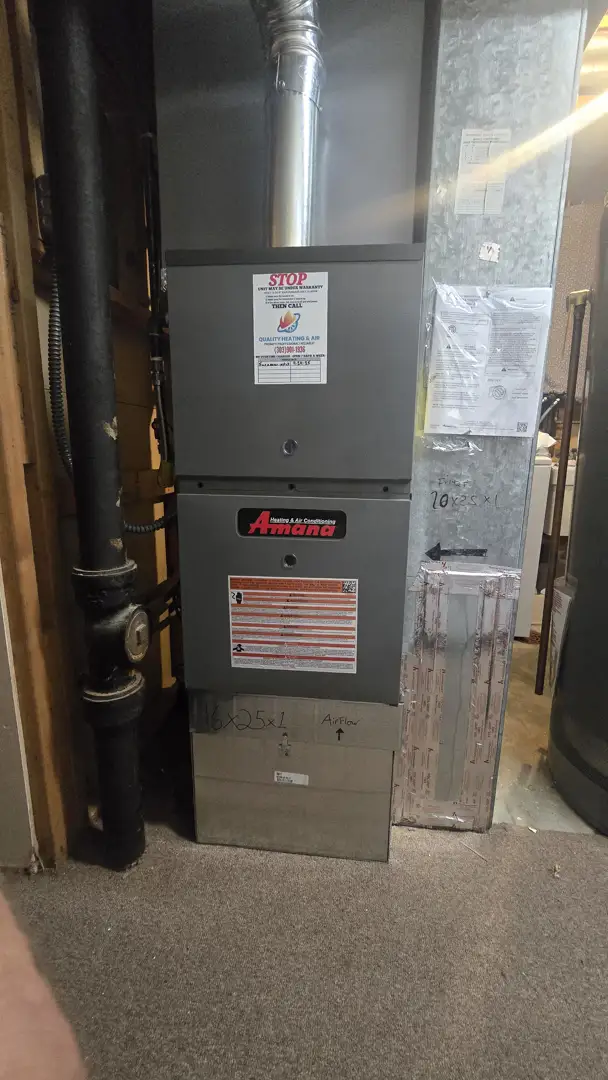
Once we understand how our HVAC system can contribute to indoor allergies, the next step is to implement effective solutions. Fortunately, modern HVAC technology offers a range of high-efficiency filtration and purification options designed to capture and neutralize common indoor allergens. These solutions are often the cornerstone of an effective allergy relief strategy, working in conjunction with your existing heating and cooling system to provide cleaner, healthier air.
What are the most effective HVAC solutions for allergy relief? For comprehensive allergy relief, we recommend a multi-faceted approach that includes:
- Upgrading Air Filters: This is often the simplest and most impactful first step.
- Whole-Home Air Purifiers: These systems integrate with your HVAC to clean all the air in your home.
- UV Germicidal Lights: Targeting microorganisms within the HVAC unit itself.
- Humidity Control Systems: Managing moisture to inhibit allergen growth.
- Professional Duct Cleaning: Removing accumulated debris from your air pathways.
- Energy Recovery Ventilators (ERVs): Bringing in fresh air without compromising indoor air quality or energy efficiency.
How do air filters (HEPA, MERV ratings) help with allergies, and how often should they be replaced? Air filters are your HVAC system’s first line of defense against airborne contaminants. They capture particles as air passes through them, preventing them from recirculating into your home. The effectiveness of an air filter is largely determined by its Minimum Efficiency Reporting Value (MERV) rating.
Understanding MERV Ratings: MERV ratings range from 1 to 20, indicating a filter’s ability to capture larger particles (such as pollen and dust mites) and smaller particles (such as bacteria and viruses).
| Filter Type | MERV Rating | Particle Capture Capability.|.
| Filter Type | MERV Rating Range | Typical Particle Capture [TABLE] comparing fiberglass, pleated, and HEPA filters:
Filter Type MERV Rating Particle Capture (Microns) Pros Fiberglass Filters 1-4 >10 microns (e.g., dust, pollen) Fiberglass Filters 1-4 >10 microns (e.g., dust, pollen) Inexpensive, basic protection, minimal airflow restriction. Very low efficiency; does not capture small allergens such as pet dander, mold spores, or fine dust. Pleated Filters 5-12 1-10 microns (e.g., pet dander, mold spores, dust mites, auto emissions). Better filtration than fiberglass, good balance of cost and efficiency, captures more common allergens. Higher airflow restriction than fiberglass, requires more frequent replacement than basic filters. HEPA Filters 17-20 0.3 microns and larger (e.g., bacteria, viruses, smoke, all allergens) Extremely high efficiency, removes up to 99.97% of particles 0.3 microns, ideal for severe allergies and asthma. It can significantly restrict airflow, often requires specialized HVAC systems or separate whole-home units, and is more expensive. Electronic Air Cleaners N/A (often equivalent to MERV 13-16). Down to 0.01 microns (e.g., smoke, bacteria, viruses, ultra-fine particles). Captures extremely small particles without significant airflow restriction, with reusable collection plates. Requires regular cleaning of collection plates, can produce ozone (a lung irritant) in some models, and has a higher initial cost. For allergy sufferers, we generally recommend upgrading to filters with a MERV rating of 11-13. While HEPA filters (MERV 17-20) offer the highest filtration efficiency, they can significantly restrict airflow in standard residential HVAC systems. They may require system modifications or a dedicated whole-home air purification unit. A MERV 13 filter strikes a good balance, effectively capturing common allergens like dust mites, pet dander, pollen, and mold spores without unduly straining most residential HVAC systems.
How often should air filters be replaced? Filter replacement frequency is critical. For optimal allergy relief, we recommend replacing air filters every 1 to 3 months. If you have pets, live in a dusty area, or have multiple allergy sufferers in your home, monthly replacement might be necessary. Neglecting filter changes can lead to clogged filters, reducing airflow, decreasing system efficiency, and allowing allergens to bypass the filter and recirculate.
Whole-home air purifiers and electronic air cleaners. Beyond standard filters, whole-home air purifiers and electronic air cleaners offer advanced filtration. Whole-home air purifiers are integrated into your HVAC system, cleaning all the air that circulates through your home. Systems like the AccuClean® whole-house air purification system can remove up to 99.98% of airborne pollutants and trap particles down to 0.3 microns, including cooking smoke and bacteria. This level of filtration is significantly more effective than what standard filters can achieve.
Electronic air cleaners use electrostatic charges to attract and capture particles, often with reusable collection plates. They can be highly effective at removing even smaller particles than many pleated filters, sometimes down to 0.01 microns. However, it’s crucial to choose models that do not produce harmful levels of ozone, a known lung irritant.
Enhancing Indoor Air Quality with UV Germicidal Lights
While filters and purifiers address particulate matter, other threats lurk within your HVAC system itself: microorganisms. This is where UV germicidal lights play a crucial role in allergy control.
What is the role of UV germicidal lights in an HVAC system for allergy control? UV germicidal lights, when installed within your HVAC system (typically near the evaporator coil or in the ductwork), emit ultraviolet-C (UV-C) light. This specific wavelength of light is highly effective at destroying the DNA and RNA of harmful microorganisms such as mold, bacteria, and viruses. The light emitted by the UV bulb has been proven to eliminate about 99% of the microorganisms in your system. By neutralizing these biological contaminants at their source, UV lights prevent them from multiplying and being circulated throughout your home, reducing a significant source of indoor allergens and irritants. They are particularly beneficial in preventing mold and mildew growth on damp evaporator coils, which can otherwise release spores into your airstream.
The Role of Ventilation in Indoor Air Quality
Beyond filtering and purifying recirculated air, introducing fresh, clean air from outside is vital for good indoor air quality. Modern homes are often built to be tightly sealed for energy efficiency, which, while beneficial for insulation, can trap indoor pollutants and allergens. This is where proper ventilation becomes critical.
How can energy recovery ventilators (ERVs) help improve indoor air quality and reduce allergens? Energy Recovery Ventilators (ERVs) are sophisticated ventilation systems that introduce fresh outdoor air while simultaneously exhausting stale indoor air. Their key benefit is that they recover energy (heat, coolness, and humidity) from the outgoing air and transfer it to the incoming fresh air. This process minimizes energy loss, making it an energy-efficient way to ventilate your home.
For allergy sufferers, ERVs offer several advantages:
- Fresh Air Intake: They continuously supply your home with fresh air, diluting the concentration of indoor pollutants and allergens that accumulate from daily activities.
- Stale Air Removal: They remove stale, allergen-laden indoor air, preventing it from building up.
- Pollutant Dilution: By regularly exchanging indoor air with outdoor air, ERVs help to reduce the concentration of airborne allergens, VOCs, and other irritants.
- Controlled Filtration: Many ERV systems can be equipped with filters to clean the incoming fresh air, preventing outdoor allergens like pollen from entering your home.
- Humidity Management: ERVs can also help manage indoor humidity levels by transferring moisture between incoming and outgoing air, which is crucial for preventing mold and dust mite growth.
By providing controlled, filtered fresh air, ERVs contribute significantly to a healthier indoor environment, especially in tightly sealed modern homes or during seasons when opening windows would introduce more outdoor allergens.
Managing Humidity and Ventilation for Energy Efficiency
Beyond filtration and purification, controlling the moisture levels in your home is a powerful strategy for allergy relief and energy efficiency. Humidity plays a critical role in the proliferation of many common allergens.
How can maintaining proper humidity levels (30-50%) in a home help reduce allergens? Maintaining indoor humidity levels between 30% and 50% is a best practice recommended by the U.S. Environmental Protection Agency (EPA) for both comfort and health. This range is crucial because many common allergens, particularly dust mites and mold, thrive outside of it.
- Dust Mite Suppression: Dust mites thrive in high humidity (50-60%). By keeping your home’s humidity below this threshold, you create an inhospitable environment for them, effectively dehydrating and suppressing their populations. This significantly reduces the presence of their allergenic waste products.
- Mold Mitigation: Mold requires moisture to grow. High humidity provides the perfect breeding ground for mold and mildew on surfaces, in carpets, and within your HVAC system. By keeping humidity below 50%, you can effectively prevent mold growth and the release of allergenic mold spores into the air.
- Sinus Relief and Respiratory Health: In contrast, excessively dry air (below 30%) can irritate the nasal passages and respiratory tract, worsening allergy symptoms and increasing susceptibility to colds and flu. Maintaining adequate humidity can soothe these membranes, helping them to function better as a natural defense against irritants.
- Wood Furniture Protection: Balanced humidity also protects your home’s structure and furnishings. Very dry air can cause wood floors, furniture, and structural elements to crack or warp, while excessive humidity can lead to swelling and damage.
To achieve these optimal levels, especially in varying climates, we often utilize whole-home humidifiers or dehumidifiers integrated with your HVAC system. A whole-home dehumidifier is excellent for humid climates or seasons. In contrast, a whole-home humidifier can add essential moisture during dry winter months, preventing issues like dry skin, chapped lips, and static electricity.
[LIST] of benefits for balanced humidity:
- Inhibits Dust Mite Growth: Reduces populations of these common allergens.
- Prevents Mold and Mildew: Eliminates the moisture that mold spores need to thrive.
- Soothes Respiratory Passages: Alleviates dry throats, nasal irritation, and congestion.
- Reduces Static Electricity: Prevents discomfort and potential damage to electronics.
- Protects Home Furnishings: Preserves wood furniture, flooring, and musical instruments from cracking or warping.
- Improves Perceived Comfort: Allows you to feel warmer in winter and cooler in summer, potentially lowering energy bills.
- Reduces Airborne Viruses: Some studies suggest optimal indoor humidity levels can significantly affect airborne viruses, rendering them harmless.
By actively managing your home’s humidity, you’re not just improving comfort; you’re creating a healthier, less allergenic environment that also contributes to the longevity of your home and its contents.
Proactive Maintenance for Sustained Air Purity
Even the most advanced HVAC systems and air purification technologies require consistent care to perform optimally, especially when allergy relief is a primary concern. Proactive maintenance is not just about preventing breakdowns; it’s about ensuring your system continuously delivers clean, healthy air.
What are the benefits of professional duct cleaning for allergy sufferers? Over time, your home’s ductwork can accumulate a significant amount of dust, pet dander, pollen, mold spores, and other debris. This buildup acts as a reservoir for allergens, which are constantly recirculated into your living space whenever your HVAC system runs.
For allergy sufferers, professional duct cleaning offers several key benefits:
- Removes Accumulated Allergens: Thorough cleaning removes years of trapped dust, dander, and pollen from the entire duct system, preventing them from becoming airborne.
- Eliminates Mold and Mildew: If mold is present in the ducts due to moisture, professional cleaning can safely remove it and address the underlying moisture issue, stopping the spread of mold spores.
- Improves Airflow and Efficiency: Clean ducts allow air to flow more freely, improving your system’s efficiency and potentially lowering energy bills.
- Reduces Odors: Removing mold, mildew, and other debris can eliminate stale or musty odors circulating throughout your home.
- Enhanced Indoor Air Quality: By removing the sources of many airborne contaminants, duct cleaning significantly improves indoor air quality and can lead to a noticeable reduction in allergy symptoms.
While not a routine annual service, professional duct cleaning is highly recommended if you suspect significant allergen buildup, have recently renovated, or are moving into an older home.
How does regular HVAC maintenance contribute to allergy reduction? Regular HVAC maintenance is fundamental to keeping your system operating efficiently and effectively for allergy relief. It’s more than just changing a filter; it’s a comprehensive check-up that ensures all components are working as they should to maintain optimal indoor air quality.
Key aspects of regular HVAC maintenance that contribute to allergy reduction include:
- Consistent Filter Replacement: As discussed, regular filter changes are paramount. During maintenance, technicians can remind you of the optimal schedule for your specific filter type and home environment.
- Coil Cleaning: The evaporator coil (indoor unit) can become a breeding ground for mold and bacteria due to condensation. Regular cleaning prevents this buildup, ensuring that air passing over the coil remains clean.
- Drain Pan Inspection and Cleaning: The drain pan collects condensation from the evaporator coil. If it becomes clogged or dirty, it can overflow or harbor mold, leading to water damage and the spread of allergens.
- System Calibration and Optimization: A well-tuned system runs more efficiently, helping it maintain consistent temperatures and humidity levels and further deterring allergen growth.
- Ductwork Inspection: Technicians can identify and seal any leaks in your ductwork. Leaky ducts can draw in unfiltered air from attics, crawl spaces, or wall cavities, introducing dust, insulation fibers, and other allergens into your home.
- Blower Motor Check: A properly functioning blower ensures adequate airflow through the filter and throughout your home, preventing air stagnation where allergens can settle.
We recommend scheduling professional HVAC maintenance twice a year – typically in the spring before cooling season and in the fall before heating season. This proactive approach ensures your system is clean, efficient, and ready to provide maximum allergy relief year-round.
Frequently Asked Questions about Indoor Air Quality
We understand that improving indoor air quality for allergy relief can seem complex, with many factors to consider. Here, we address some of the most common questions we encounter.
What is the recommended MERV rating for effective allergy relief?
For most residential HVAC systems and allergy sufferers, we recommend a MERV rating of 11-13. A MERV 13 filter is generally considered the optimal choice for capturing a wide range of common allergens, including pollen, pet dander, dust mites, mold spores, and even some bacteria, without excessively restricting airflow in a typical residential system. While higher MERV ratings (14-16) are available and used in commercial settings or specialized residential systems, they can significantly increase static pressure on your HVAC system, potentially reducing efficiency or even causing damage if your unit isn’t designed to handle them. Always consult with an HVAC professional to ensure your system can accommodate higher MERV filters.
How does humidity control impact the presence of dust mites?
Humidity control has a profound impact on dust mites. These microscopic creatures cannot drink water and rely on absorbing moisture from the air to survive. They thrive in environments where relative humidity consistently exceeds 50-60%. By maintaining your home’s indoor humidity levels between 30% and 50%, you create an environment that is too dry for dust mites to flourish. This dehydration effectively reduces their populations and, consequently, the amount of dust mite allergens (their waste products) present in your home. This makes humidity control a crucial, foundational step in any comprehensive allergy relief strategy, often more effective than simply filtering out existing dust mite allergens.
Can an HVAC system effectively remove pet dander from the air?
Yes, an HVAC system, when properly equipped and maintained, can be highly effective at removing pet dander from the air. Pet dander consists of tiny, lightweight skin flakes that can remain airborne for extended periods, making them easily drawn into your HVAC return vents. To effectively capture pet dander, we recommend:
- High-Efficiency Filtration: Upgrading to a pleated filter with a MERV rating of 11 or higher is essential. These filters have a dense enough medium to trap the small particles that make up pet dander.
- Whole-Home Air Purifiers: Integrating a whole-home air purification system, especially one with HEPA-level filtration, can remove up to 99.97% of particles as small as 0.3 microns, including virtually all pet dander.
- Consistent Operation: Running your HVAC fan continuously, even when not heating or cooling, helps to constantly circulate and filter the air, preventing dander from settling on surfaces.
- Regular Filter Replacement: Given the constant presence of pet dander, replacing your filters monthly or every two months is crucial to maintain filtration effectiveness.
While an HVAC system can significantly reduce airborne pet dander, it should be part of a broader strategy that also includes regular surface cleanings, vacuuming with a HEPA-filter vacuum, and frequently brushing pets.
Conclusion
Achieving optimal indoor air quality (IAQ) is not merely a luxury; it is a fundamental component of a healthy, comfortable home, especially for those seeking HVAC solutions for allergy relief. As we’ve explored, your HVAC system is a powerful tool that can either exacerbate or alleviate indoor allergies, depending on how it’s equipped and maintained.
By implementing strategies such as upgrading to high-efficiency air filters with appropriate MERV ratings, integrating whole-home air purifiers or UV germicidal lights, and diligently managing indoor humidity levels, we can transform your home’s air. These measures actively remove common allergens such as dust mites, pet dander, pollen, and mold spores, leading to a noticeable reduction in allergy symptoms and a significant improvement in overall respiratory health.
Beyond the immediate health benefits, a well-maintained HVAC system optimized for IAQ also contributes to energy efficiency. Clean filters and coils allow your system to operate with less strain, potentially lowering your energy bills. Proper humidity control not only deters allergen growth but also helps your home feel more comfortable at moderate temperatures, further contributing to energy savings.
For long-term home comfort and sustained air purity, a proactive approach to air management is key. This includes regular professional HVAC maintenance, timely filter replacements, and considering upgrades that align with your family’s specific needs. When should a homeowner consider upgrading their HVAC system for better allergy relief? If your current system is old, inefficient, or cannot accommodate the advanced filtration and purification components necessary for significant allergy relief, it might be time to explore Quality VAC for allergies and modern, allergy-friendly HVAC solutions. Also, be aware of the potential downsides of certain air-cleaning devices; for instance, some ionizers can produce ozone, an irritant, and inexpensive fiberglass filters are largely ineffective. Always research and choose certified products.
Investing in your home’s indoor air quality is an investment in your family’s health and well-being. By understanding the connection between your HVAC system and the air you breathe, and by taking proactive steps, you can create an indoor environment where everyone can breathe easier and live more comfortably.