

Key Takeaways
- Design-build integrates design and construction services, promoting collaboration and efficiency.
- Technological advancements, such as Building Information Modeling (BIM), enhance the design-build process.
- Real-world examples demonstrate the effectiveness of design-build in streamlining complex projects.
Understanding the Design-Build Approach
In today’s rapidly shifting construction landscape, minimizing delays and fostering clear communication are top priorities for project success. The design-build method has become increasingly popular due to its ability to unite design and construction professionals under a single contractual umbrella. This approach not only accelerates project delivery but also significantly improves collaboration and reduces the risk of costly disputes. For teams looking to enhance project efficiency with unified solutions, click here for more on streamlined project delivery.
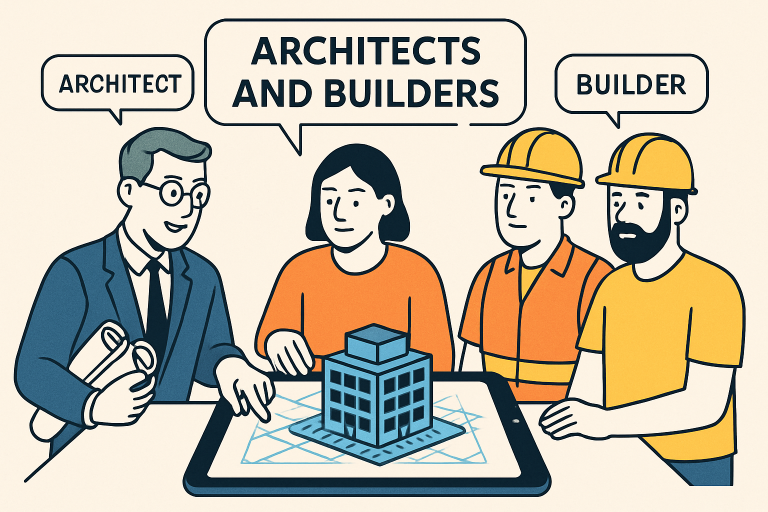
Unlike the traditional design-bid-build model, which separates design and construction into siloed phases, the design-build process allows for an integrated project team from project inception through completion. This seamlessness typically results in fewer surprises, tighter schedules, and a more cohesive project vision. The design-build model has enabled both public and private-sector clients to achieve better cost control and more consistent project outcomes.
Furthermore, project owners who utilize the design-build approach benefit from single-source accountability, which simplifies communication and enhances problem-solving throughout the project lifecycle. The shared responsibility encourages architects, engineers, and contractors to collaborate from day one, minimizing project risk and improving workflow.
One added advantage is the potential to identify project challenges early, enabling the entire team to address issues proactively and keep the project moving forward. By working across disciplines, teams are better equipped to propose innovative solutions and stay agile in response to unforeseen conditions, making the approach an attractive option for even the most complex builds.
Technological Enhancements in Design-Build
Technology has revolutionized the design-build landscape, equipping teams with tools to enhance communication, efficiency, and overall project quality. One of the standout innovations is Building Information Modeling (BIM), which creates a digital representation of a facility’s physical and functional aspects. BIM enables integrated teams to collaborate on a virtual project model, making it easier to detect and address conflicts, visualize outcomes, and streamline workflows.
Platforms offer strong tools for team collaboration, change tracking, and maintaining alignment on design goals and project objectives. Recent innovations, like early decision-making features, assist teams in minimizing rework, decreasing change orders, and promoting more sustainable results from the beginning.
Real-World Applications of Design-Build
Across the construction sector, numerous high-profile infrastructure, commercial, and institutional projects showcase the benefits of design-build. For example, the Silicon Valley Clean Water (SVCW) Gravity Pipeline project leveraged progressive design-build to accelerate timelines, navigate substantial risks, and maintain stringent quality standards. The close collaboration among the owner, designers, and builders led to streamlined construction, greater budget certainty, and reduced project delays.
Similar successes can be observed in healthcare, education, and transportation projects, where accelerated delivery and collaborative partnerships are crucial. These real-world examples highlight the tangible benefits of integrating design and construction, especially in fast-track or high-risk environments. As the demand for smart, resilient infrastructure increases, the design-build model’s flexibility and efficiency have made it the preferred choice for an expanding range of project types.
Benefits of Collaborative Design-Build Solutions
- Enhanced Communication: Design-build teams close communication gaps, ensuring that important decisions are made quickly and with input from all disciplines.
- Time Efficiency: Simultaneous design and construction activities can remove weeks—or even months—from the project timeline.
- Cost Savings: Early collaboration drives value engineering, limits costly change orders, and creates opportunities to maximize the budget.
- Quality Improvement: An integrated focus on quality from all stakeholders leads to superior project outcomes.
This multifaceted approach not only reduces the administrative burden on owners but also fosters a culture of partnership in which all parties share in the project’s success. According to insights from the World Construction Network, successfully implementing a design-build project requires careful coordination and proactive communication to integrate innovations, minimize design changes, and resolve issues quickly. This strategy contributes to higher client satisfaction and long-term value.
Implementing Design-Build in Your Projects
Successful implementation of design-build requires thoughtful planning and adherence to best practices. Start by selecting partners who have a track record of collaboration and design-build delivery; experienced teams are better able to navigate the unique challenges that may arise.
- Select Experienced Partners: Prioritize firms with effective design-build portfolios and an ability to work cohesively across all phases of a project.
- Foster Open Communication: Set up structured channels for transparent dialogue and instant feedback between project stakeholders.
- Leverage Technology: Use advanced tools like BIM to visualize progress, minimize misunderstandings, and align all contributors.
- Define Clear Objectives: Clearly state goals, budgets, and timelines from the start so that everyone is working toward a unified vision.
By incorporating these strategies, owners and developers can fully exploit the design-build method’s advantages while safeguarding against common pitfalls associated with less integrated approaches.
Conclusion
The design-build approach is transforming how construction projects are delivered, offering unmatched potential for streamlined workflows, faster completion, and tighter budget controls. By investing in integrated teams, adopting powerful digital tools, and encouraging open communication, project owners can set a new standard for efficiency and quality in the construction industry.