
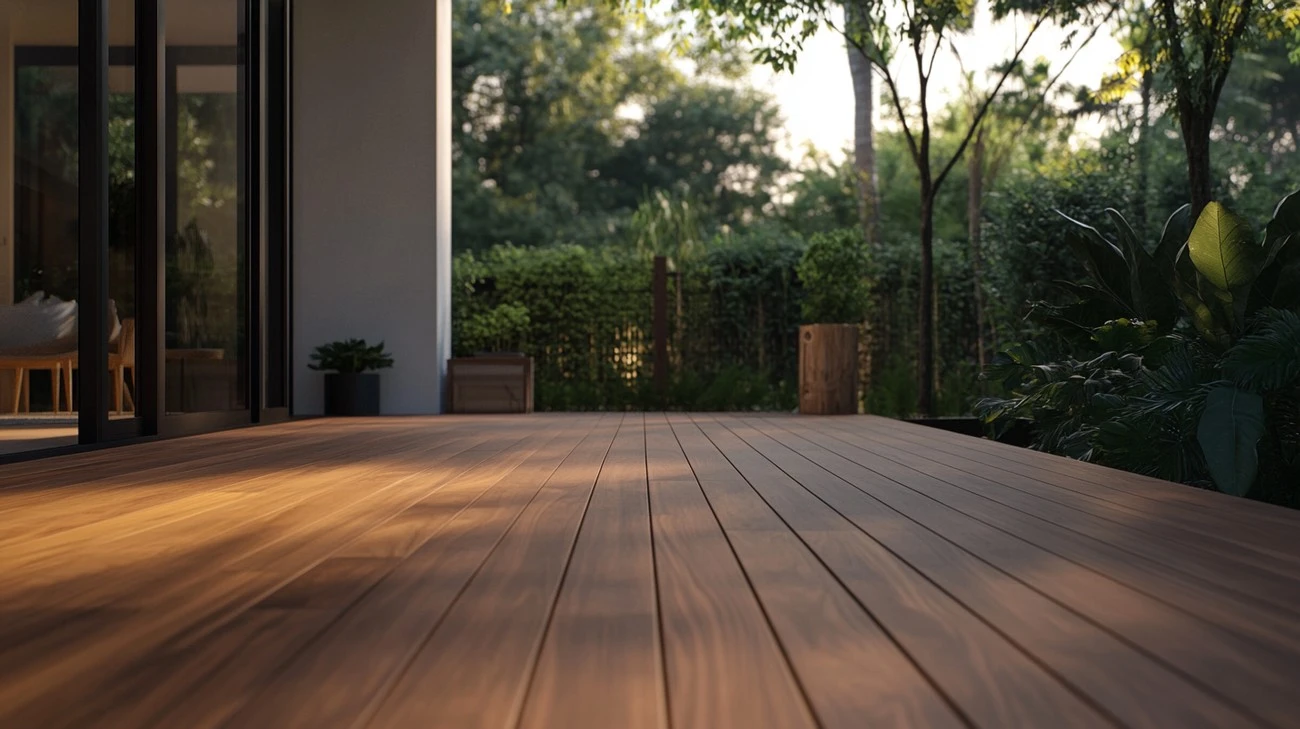
When considering ipe wood, especially for applications like ipe decking or hardwood ipe projects, it’s important to understand both its exceptional benefits and the trade-offs. In this article, we’ll explore its features, advantages, and disadvantages — and how a trusted supplier like Lumberpoint (lumberpoint.com) fits into the picture.
What Is Ipe Wood? (Characteristics)
- Scientific name and origin: Ipe (sometimes called Brazilian walnut or lapacho) comes from tropical forests in South America.
- Hardness & density: Extremely hard — its Janka hardness is around 3,680 lbf.
- Dimensional stability: Low shrinkage makes it very stable, even under varying humidity and temperature.
- Durability class: Rated “very durable” — naturally resistant to decay, rot, and insects.
- Fire resistance: Ipe has a Class A fire rating, comparable to steel or concrete.
- Appearance & aging: Rich brown to reddish tones; if left untreated, it weathers over time into a silvery-gray patina.
- Eco-concerns: Often sourced from tropical forests, so sustainability and certification (e.g. FSC) matter.
Advantages of Ipe Wood
- Exceptional Durability
- Longevity: A properly installed ipe wood deck can easily last 40+ years.
- Strength: Very dense and strong, able to handle heavy foot traffic, furniture, or even snow loads.
- Natural Resistance
- Rot & decay: Highly resistant to moisture, fungi, and decay due to natural oils and tight grain.
- Insect resistance: Dense structure makes it hard for termites and other pests to penetrate.
- Fire Safety
- With a Class A fire rating, wood decking ipe is safer in fire-prone areas than many other wood species.
- Low Maintenance
- If you want, you can leave ipe untreated — it weathers gracefully to a gray tone.
- Clean occasionally; if you prefer the original color, annual oiling helps.
- Aesthetic Appeal
- Hardwood ipe has rich, warm color and fine grain, giving a refined, natural look to decks or siding.
- Over time, the aged patina is very attractive to many.
- Eco-Friendliness (When Sourced Responsibly)
- Because it lasts so long, ipe can be a sustainable choice — fewer replacements over time.
- Certified ipe (FSC, etc.) reduces environmental impact.
Disadvantages of Ipe Wood
- High Cost
- One of the most expensive wood options for decking.
- Higher upfront investment compared to softwoods or some composites.
- Difficult to Work With
- Because of its density and hardness, cutting and drilling ipe blunt tools quickly.
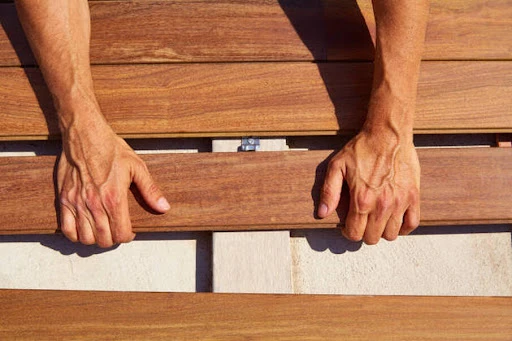
- Requires carbide-tipped saw blades, pre-drilling, and stainless-steel fasteners.
- Gluing can be difficult; some adhesives don’t work well.
- Heavy Weight
- Very dense wood means boards are heavy, which complicates transport and installation.
- Environmental Concerns
- If not sourced sustainably, ipe harvesting can contribute to deforestation.
- Certified options (e.g. FSC) are more expensive and sometimes less available.
- Labor-Intensive Installation
- Skilled labor and special tools increase installation costs.
- Pre-drilling and precise fastening add time to the build.
- Maintenance for Appearance
- If you want to maintain the original rich brown color, yearly oiling is recommended.
- Without maintenance, the wood will turn gray: a matter of preference, but something to plan for.
Use Cases: Where Wood Ipe Excels (and When It Might Be Overkill)
Best for:
- Wood decking ipe / Ipe wood decking: Ideal for patios, terraces, boardwalks.
- High-traffic outdoor areas: Because it’s so strong and durable.
- Marine or dock construction: Thanks to rot and insect resistance.
- Long-term, premium installations: If you’re building to last, hardwood ipe pays off.
Less ideal for:
- Tight budgets: Because of high material and labor cost.
- DIY beginners: Without the right tools or experience, working with ipe is challenging.
- Short-term projects: If you don’t plan to keep the deck for decades, other woods might make more sense.
Why Lumberpoint Matters
- Quality supplier: Lumberpoint is a reputable source for ipe wood, offering decking-grade boards and hardwood ipe.
- Expert support: They provide professional help, design advice, and project planning so you can build with confidence.
- Sustainability & options: Worth asking Lumberpoint about FSC-certified ipe or responsibly sourced options if environmental concerns are a priority.
Real Product Example
Here’s an example of a real ipe wood decking product you might consider for a project:
- Tropical Hardwood Ipe Decking 21 mm: High-density Brazilian walnut decking boards, ideal for outdoor decks, docks, or premium terraces.
- DIY Ipe Outdoor Decking Flooring: Suitable for DIYers, though remember the installation challenges.
- Ipe Hardwood Flooring (Indoor/Outdoor): Can be used inside or outside, bringing the beauty of hardwood ipe into different settings.
Wood ipe is a top-tier choice when durability, longevity, and natural beauty are priorities. Its main strengths lie in its extreme hardness, resistance to rot and fire, and long lifespan. On the flip side, the higher cost, difficult installation, and environmental concerns are factors you can’t ignore.
If you’re planning a long-term, high-quality decking or exterior project, ipe wood decking from a trusted supplier like Lumberpoint could be an excellent investment. But if you’re building on a tight budget or want something easier to install, you might consider other materials.