
Understanding the Impact of Hard Water on Household Systems
The water flowing into our homes, especially in areas known for hard water like much of Southern California, carries dissolved minerals such as calcium and magnesium. While generally safe for consumption, these minerals become problematic when heated. As water temperature rises, calcium and magnesium precipitate out, forming a hard, chalky substance known as limescale. This limescale, along with other sediments like rust and sand, doesn’t just disappear; it accumulates.

This accumulation has a profound and detrimental effect on your water heater. Primarily, limescale and sediment act as an insulating barrier. In tank-style water heaters, this layer settles at the bottom of the tank, directly covering the heating elements (in electric units) or the heat exchanger (in gas units). This insulating layer prevents efficient heat transfer from the element or burner to the water. The water heater must then work significantly harder and for longer to reach the desired temperature, resulting in a substantial decrease in thermal efficiency. For instance, even a thin layer of scale can reduce efficiency by a notable percentage, forcing your unit to consume more energy to achieve the same heating output.
This struggle to heat water translates directly into higher energy consumption and, consequently, inflated utility bills. We’ve seen that water heater filters can reduce energy consumption by 15-30%, depending on water quality and system type, highlighting the significant impact of mineral buildup. Beyond efficiency, the constant overheating of heating elements caused by this insulating barrier can lead to premature degradation and failure. In tankless water heaters, the intricate heat exchanger coils are particularly vulnerable. Limescale can clog these narrow pathways, restricting water flow and reducing the unit’s ability to provide consistent hot water.
Over time, this relentless battle against poor water quality can lead to more severe issues. Sediment accumulation can cause unusual noises, like banging or rumbling, as the water tries to heat through the mineral layer. The internal components, under constant stress, are more prone to wear and tear. Furthermore, certain impurities and corrosive substances in untreated water can cause internal corrosion of the tank and pipes, leading to leaks, costly repairs, or even premature system replacement. This is why addressing water quality proactively, through solutions like water heater filtration for performance, is not just an option but a necessity for the longevity and efficiency of your appliance.
Why Homeowners Need Professional Water Heater Services in Southern California
In a region like Southern California, where water hardness can vary significantly from one community to another—be it Los Angeles, Santa Clarita, Pasadena, or Santa Barbara—the need for professional water heater services is paramount. While water filtration systems play a crucial role in prevention, regular professional maintenance is essential to ensure your water heater operates safely and efficiently, even with filtration in place.
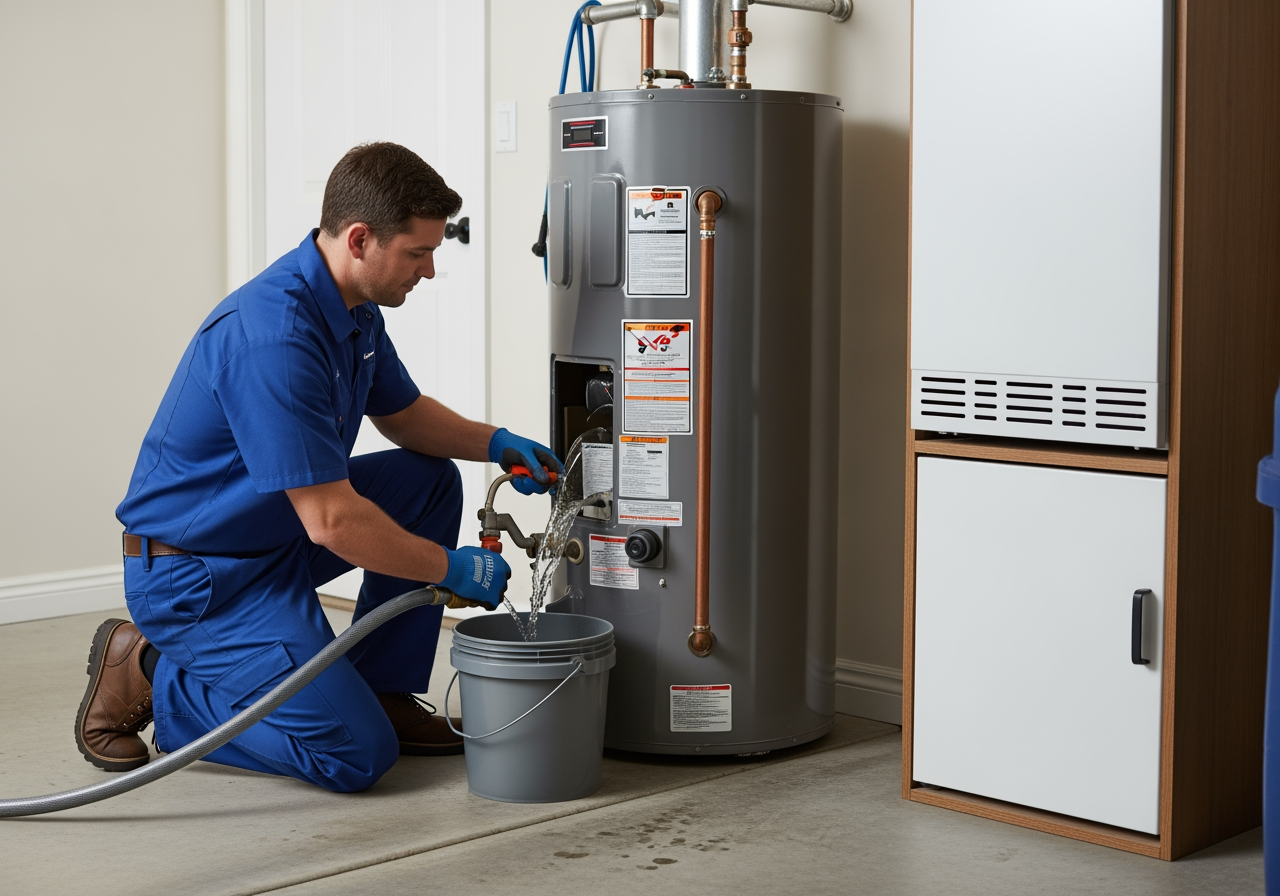
A professional water heater service begins with comprehensive system diagnostics. Our technicians can identify early signs of wear, corrosion, or sediment buildup that an untrained eye might miss. One of the most critical maintenance tasks is tank flushing. Even with a pre-filter, some fine sediment can eventually settle at the bottom of a tank-style water heater. A professional flush removes this sediment, restoring heat transfer efficiency and preventing the conditions that lead to noisy operation and component strain. For tankless units, specialized flushing procedures are necessary to descale the heat exchanger and maintain optimal flow.
Another vital aspect of professional service is the inspection and replacement of anode rods. Often called the “sacrificial rod,” the anode rod is designed to corrode before the metal tank itself. In hard-water areas, this rod can degrade more quickly, leaving your tank vulnerable to rust and corrosion. Regular inspection ensures it’s replaced before significant damage occurs, extending the life of your unit.
Beyond these core tasks, professional services include checking and calibrating safety valves, such as the temperature and pressure (T&P) relief valve, which is crucial for preventing dangerous pressure buildup. We also inspect for any potential leaks, tighten connections, and ensure all components are functioning correctly. This comprehensive approach to maintenance not only prolongs the life of your water heater but also helps prevent unexpected breakdowns, costly emergency repairs, and potential water damage to your home. For Southern California homeowners, investing in these professional services is an investment in peace of mind and the long-term reliability of their hot water supply.
How Water Filtration Enhances System Longevity and Performance
Integrating a water filtration system with your water heater is a game-changer for its longevity and performance. These systems work by intercepting harmful contaminants before they ever reach your water heater, effectively creating a protective shield. The type of filtration most beneficial depends on your specific water quality challenges.
Whole-house filtration systems are installed at the main water line, treating all water entering your home. These systems often include multiple stages, starting with a sediment pre-filter. This initial stage is crucial for removing larger particles like sand, rust, and dirt, which can otherwise accumulate in your water heater tank or clog the delicate components of a tankless unit. By removing these physical impurities, sediment pre-filters prevent a significant source of wear and tear.
Beyond physical filtration, scale inhibitors are specifically designed to address hard-water minerals (calcium and magnesium) that cause limescale buildup. Unlike traditional water softeners that remove these minerals, scale inhibitors chemically or physically alter them, preventing them from adhering to surfaces inside your water heater. Technologies like Template Assisted Crystallization (TAC) create microscopic crystals that keep minerals in the water while preventing them from forming hard scale deposits. Polyphosphate media can even help dissolve existing scale over time. This protection is especially critical for tankless water heaters, where the compact, high-temperature heat exchangers are highly susceptible to scale formation, which can reduce efficiency by up to 30%. By preventing scale, these systems ensure optimal heat exchanger health, maintain consistent flow rates, and protect the intricate internal mechanisms.
Another overlooked benefit is chlorine reduction. Many municipal water supplies use chlorine or chloramines for disinfection. While necessary for public health, these chemicals can, over time, corrode rubber and plastic components in your water heater. Whole-house filtration systems that include activated carbon stages effectively remove chlorine, further extending the life of seals and other internal parts.
Here’s a comparison of common filtration types relevant to water heater protection:
Filtration System Type Primary Function Water Heater Benefit Ideal For Sediment Filter Removes physical particles (sand, rust, dirt) Prevents accumulation in tank, protects components from abrasion All water sources, especially well water or older city pipes Scale Inhibitor (e.g., TAC, Polyphosphate) Prevents hard water minerals from forming limescale deposits Maintains heat transfer efficiency, prevents clogs, extends lifespan, crucial for tankless units Hard water areas Whole-House Carbon Filter Removes chlorine, chloramines, organic compounds Prevents corrosion of internal rubber/plastic parts, improves water quality City water supplies Water Softener (Salt-based) Removes calcium and magnesium ions from water Eliminates scale buildup entirely, improves soap lathering, extends appliance life Very hard water, whole-home benefits desired By choosing the right combination of filtration, homeowners in places like Irvine can significantly enhance their water heater’s longevity and performance, ensuring reliable hot water and protecting their investment for years to come.
Measurable Benefits of Integrating Filtration with Water Heater Services
The decision to integrate water filtration with professional water heater services isn’t just about preventing problems; it’s about unlocking tangible, measurable benefits that impact your wallet, your comfort, and even the environment.
One of the most significant advantages is energy savings. As discussed, mineral buildup acts as an insulator, forcing your water heater to work harder. By preventing this scale and sediment, a quality water heater filter can reduce your energy consumption by a remarkable 15-30%, depending on your water quality and system type. For the average household spending $400-$600 annually on water heating, this translates to an impressive $60-$180 in yearly savings. Over the appliance’s lifespan, these savings compound significantly.
Beyond energy, filtration dramatically contributes to lifespan extension. An unprotected water heater typically lasts 8-10 years. However, with consistent filtration, a quality unit can see its lifespan extended to 12-15 years or more. This means delaying a costly water heater replacement (which can range from $900 to $1,800, including installation) by several years, providing substantial long-term value.
Reduced repairs and maintenance needs are another direct benefit. Sediment and scale are primary culprits behind common water heater malfunctions, from noisy operation to heating element failures and leaks. By eliminating these issues at the source, you’ll experience fewer breakdowns and reduce the frequency of professional service calls for emergency repairs, which typically cost $150-$500 per incident. Furthermore, a quality filter can extend the interval between required tank flushes, reducing water waste (saving up to 150 gallons per year) and saving you time.
For homeowners in Southern California cities like Santa Ana, Camarillo, and Van Nuys, filtration also ensures consistent hot water temperatures. When heating elements or heat exchangers are free of insulating scale, they can heat water more efficiently and evenly, providing a steady supply of hot water without unexpected cold showers.
Finally, the environmental benefits are noteworthy. By enabling your water heater to operate with a 15-30% efficiency gain, you’re not just saving money; you’re also reducing your home’s carbon footprint. A typical household using a filtered water heater can prevent up to 340 pounds of carbon emissions annually—equivalent to planting 15 trees. This commitment to efficiency and sustainability aligns with a broader goal of responsible homeownership. These measurable benefits underscore why professional water heater services, combined with filtration, represent a smart, long-term investment for any homeowner.
Selecting the Right Protection for Your Local Water Source
Choosing the right water heater filter isn’t a one-size-fits-all decision. The optimal solution depends heavily on your specific water source and the unique challenges it presents. Whether your home receives city water or relies on a well, a professional water assessment is the crucial first step.
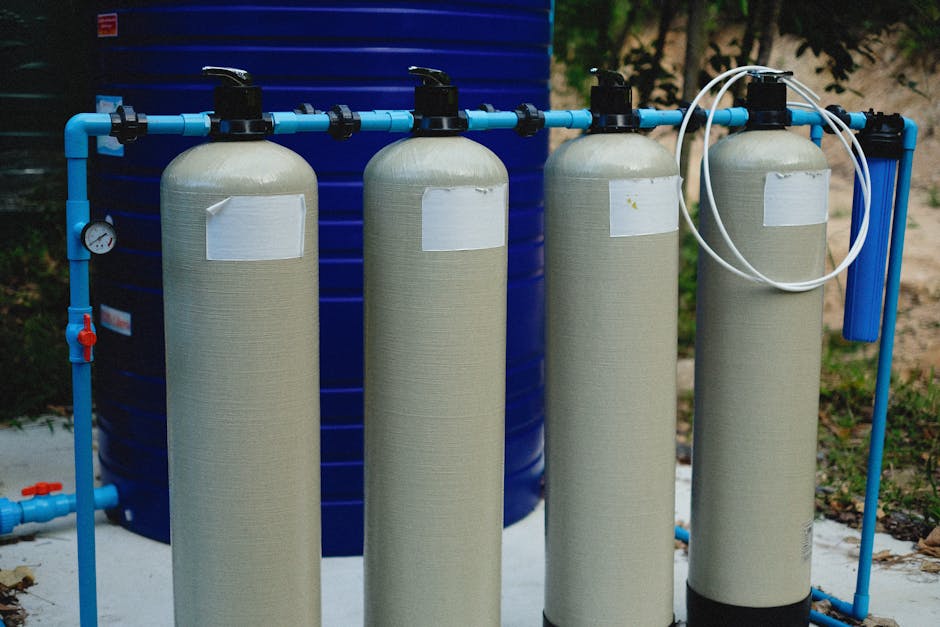
City Water Challenges: Municipal water treatment focuses on making water safe to drink, but it doesn’t typically address appliance protection. City water often contains dissolved minerals that cause hardness and scale, as well as chlorine or chloramines used for disinfection. A professional water assessment will identify the exact hardness levels and presence of chemicals. For city water, a whole-house filtration system that includes a sediment pre-filter, activated carbon (for chlorine removal), and a scale inhibitor (like TAC or polyphosphate) is often recommended. This combination provides comprehensive protection against both scale buildup and chemical corrosion, ensuring system compatibility and often preserving your water heater’s warranty.
Well Water Challenges: Well water can be highly variable and often contains a wider range of contaminants, including sediment, iron, manganese, sulfur, and, in some cases, bacteria or high levels of hardness. A professional water assessment is essential to create a localized mineral profile. For well water, a multi-stage whole-house system is typically required, often including:
- Sediment filters for larger particles.
- Iron filters to prevent rust staining and buildup.
- Water softeners (salt-based) for significant hardness, as well as water can be exceptionally hard.
- Carbon filters for taste, odor, and some chemical neutralization.
- In some cases, a UV filter might be necessary for bacterial disinfection.
Understanding your water’s specific composition allows us to recommend a system that effectively targets your issues, ensuring maximum protection for your water heater and other appliances. We help you navigate the options, considering system compatibility with your existing plumbing and water heater type, to ensure you get the most effective and efficient solution for your home.
Maintaining Your System with Expert Water Heater Services
Installing a water filtration system is an excellent first step, but its effectiveness and your water heater’s longevity also depend on consistent, expert maintenance. Think of it as a partnership: the filtration system protects, and professional water heater services ensure everything runs smoothly.
Annual maintenance is critical. This includes not only checking your water heater but also inspecting your filtration system. Filter cartridges, whether for sediment, carbon, or scale inhibition, have a finite lifespan. Depending on your water quality and usage, they typically need to be replaced every 4 to 6 months, or sometimes annually for larger systems. Neglecting filter replacement can lead to reduced flow, decreased filtration effectiveness, and even damage to the filter housing or your water heater.
Our professional services also include checking and maintaining pressure regulation to ensure your water heater and filtration system are operating within safe and optimal parameters. We perform component testing on all parts of your water heater, from heating elements to safety valves, ensuring they are functioning correctly and preventing potential issues before they escalate.
Given the diverse water conditions and specific environmental factors in Southern California, tailored maintenance is key. Our experts understand these regional nuances and can provide advice on how often to perform maintenance tasks based on your home’s unique situation. This proactive approach ensures long-term reliability for both your filtration system and your water heater, safeguarding your investment and providing you with consistent, high-quality hot water for years to come.
Frequently Asked Questions about Water Quality and Heating
Homeowners often have questions about how water quality affects their water-heating systems. Here are some of the most common inquiries we address:
How does sediment buildup affect my monthly energy bills?
Sediment buildup, primarily from hard water minerals such as calcium and magnesium, settles to the bottom of your water heater tank or coats the heat exchanger in tankless units. This layer acts as an insulator, creating a barrier between the heating element or burner and the water. As a result, your water heater has to work much harder and longer to transfer heat to the water, significantly reducing its efficiency. This increased effort directly translates to higher energy consumption and, consequently, inflated monthly energy bills. Studies show that even a small amount of scale can reduce efficiency by 15-30%, leading to noticeable increases in your utility costs.
Can a water filtration system prevent scale buildup in a tankless water heater?
Absolutely. Tankless water heaters are particularly vulnerable to scale buildup due to their compact design and the intense heat they generate within their intricate heat exchangers. Water filtration systems designed with scale-inhibition technology (such as Template Assisted Crystallization or polyphosphate media) are highly effective at preventing scale. These systems, whether chemical or physical, alter the minerals in the water, preventing them from adhering to the heat exchanger surfaces. By doing so, they maintain the unit’s efficiency, ensure consistent hot water flow, and significantly extend the lifespan of your tankless water heater, often a requirement to maintain manufacturer warranties.
Is municipal water treatment sufficient to protect my home appliances?
While municipal water treatment facilities do an excellent job of making water safe to drink by removing harmful bacteria and contaminants, their primary focus is public health, not appliance protection. City water often still contains dissolved minerals like calcium and magnesium, as well as chlorine or chloramines, which are harmless for consumption but detrimental to your water heater and other water-using appliances. These elements lead to scale buildup, corrosion, and premature wear. Therefore, even with city water, a dedicated whole-house water filtration system is highly recommended to protect your water heater and other plumbing fixtures from the long-term damage caused by common water impurities.
Conclusion
The journey to perfectly consistent, energy-efficient hot water in your Southern California home begins with understanding the critical link between water quality and water heater performance. We’ve explored how unseen culprits, such as hard water minerals and sediment, relentlessly degrade your system, leading to reduced efficiency, higher energy bills, and premature failure.
By embracing preventive care through advanced water filtration systems, you can create a protective barrier that safeguards your water heater from these damaging elements. From whole-house filters that remove sediment and chlorine to specialized scale inhibitors that protect heat exchanger integrity, these solutions are vital for system optimization. The measurable benefits are clear: significant energy savings, extended appliance lifespan, fewer costly repairs, and a reduced environmental footprint.
For homeowners across Southern California —from the bustling streets of Los Angeles to the serene communities of Santa Barbara —integrating professional water heater services with tailored water quality management is not just a luxury—it’s a smart, long-term investment. This holistic approach ensures your home benefits from reliable hot water delivery, enhanced comfort, and substantial savings for years to come. Don’t wait for your water heater to struggle; take proactive steps today to ensure its optimal performance and longevity.
Ready to give your water heater the protection it deserves? Contact us today for a professional water assessment and to explore the best water filtration and water heater services for your Southern California home.