

Key Takeaways
- Red light therapy is a non-invasive, scientifically backed method for improving skin health and appearance.
- Potential benefits include stimulating collagen production, reducing inflammation, and promoting wound healing.
- At-home and professional options are available, each with its unique advantages and considerations.
- Safety is generally high, but individuals with certain medical conditions should consult a healthcare professional before use.
Understanding Red Light Therapy
Red light therapy (RLT), also known as photobiomodulation, is gaining popularity among skincare enthusiasts for its gentle yet practical approach to skin rejuvenation. This therapy involves exposing the skin to low-level wavelengths of red light, which can penetrate various layers without causing harm or the use of chemicals. With a focus on stimulating natural cellular activity, RLT is presenting a new, non-invasive way to target common skin concerns at the cellular level. From beauty clinics to home routines, its adoption is becoming mainstream. Get Radiant Results is one platform where users can explore devices and receive detailed guidance on bringing this innovative technology into their own skincare routines.
Where traditional treatments may rely on abrasives or intense formulations, red light therapy’s core strength is boosting the skin’s own repair and regeneration capabilities. It has caught the attention of both dermatologists and individuals seeking convenient at-home solutions. Understanding how this therapy works and what science says about it is the crucial first step in making informed choices about whether RLT aligns with your personal skincare goals.
How Red Light Therapy Works
The process begins with specific wavelengths of red light, typically between 620–750 nanometers, that penetrate deeply into the skin and are absorbed by the mitochondria—essentially the cell’s powerhouses. This absorption prompts the mitochondria to produce more adenosine triphosphate (ATP), which fuels crucial cellular functions. By accelerating cellular energy production, RLT encourages faster cell turnover and enhanced tissue repair.
As a result, the skin becomes more efficient at regenerating itself, and the effects can include a smoother texture and improved resilience against environmental stressors. According to Healthline, these wavelength interactions can also positively influence the skin’s ability to heal from injuries or irritation, opening up possibilities for both cosmetic and therapeutic use.
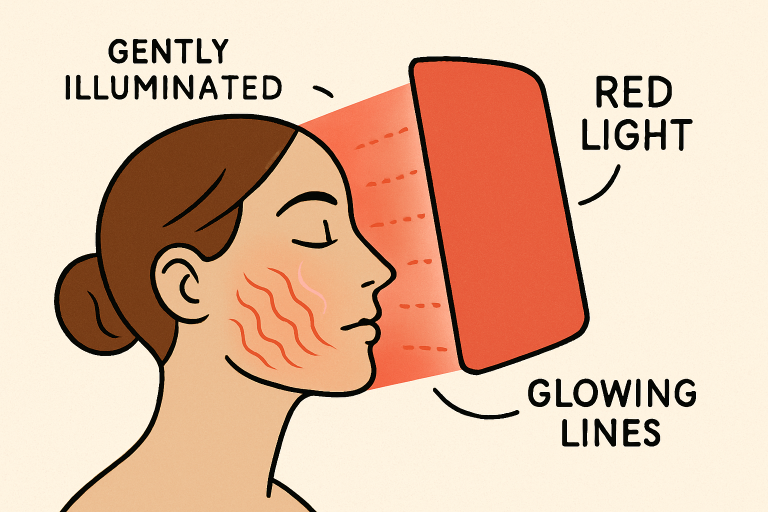
Benefits of Red Light Therapy for Skin
- Stimulates Collagen Production: Red light therapy has been shown to invigorate fibroblasts, the skin cells responsible for producing collagen. Collagen is essential for maintaining skin firmness and elasticity, resulting in a reduction in visible wrinkles and a smoother surface. According to the American Academy of Dermatology, this therapy is considered safe and effective when used properly, making it an appealing option for those seeking non-invasive skin rejuvenation.
- Improves Skin Tone and Texture: An increase in cellular activity means your skin repairs uneven pigment and rough patches more efficiently, resulting in a brighter, more uniform complexion.
- Reduces Inflammation: RLT is recognized for its anti-inflammatory properties, making it a powerful ally for individuals with conditions such as acne, eczema, or rosacea.
- Accelerates Wound Healing: Several studies have demonstrated that consistent exposure to red light can accelerate the healing of wounds, cuts, and post-surgical scars by enhancing tissue repair mechanisms.
Scientific Evidence Supporting Red Light Therapy
Numerous reputable sources underscore the efficacy of RLT for skin health. Red light therapy can significantly enhance skin tissue repair, minimize signs of aging, and improve inflammatory skin disorders when administered consistently and regularly. Furthermore, a study highlighted by UCLA Health documented observable improvements in skin elasticity, fine lines, and overall skin radiance among participants who used red light therapy over several weeks.
Incorporating Red Light Therapy into Your Skincare Routine
For those curious about how to get started with RLT at home or augmenting their routines, here are some steps:
- Choose the Right Device: Look for an FDA-cleared or medical-grade device that matches your needs, whether it’s a face mask, handheld unit, or panel system.
- Follow Usage Guidelines: Always adhere to the manufacturer’s instructions. Most recommend sessions of about 10–20 minutes, three to five times a week.
- Consistency Matters: Like any non-invasive skin strategy, regular use over several weeks is essential to maximize benefits and see visible results. Patience and persistence are key for success.
Safety Considerations and Potential Side Effects
Red light therapy is considered very safe for most people, with minimal risk for side effects. The primary concern arises in individuals with medical conditions that make them photosensitive, or those taking medications that increase sensitivity to light. Mild, temporary side effects, such as redness or tightness, may occur immediately after treatment for some individuals initially. To avoid eye discomfort, most devices recommend eye protection—especially when targeting areas near the eyes.
If you have any doubts or underlying conditions, discussing RLT with a healthcare provider before starting treatment is encouraged to ensure the best and safest results.
Comparing At-Home Devices and Professional Treatments
While professional in-office red light therapy often utilizes powerful, medical-grade devices capable of deep skin penetration and shorter treatment times, at-home units are designed for ease, consistency, and safety. At-home RLT devices may require more frequent sessions to achieve the same efficacy as professional equipment. However, they allow users to incorporate therapy into their daily or weekly skincare routines without clinic appointments. For those with more severe skin concerns or seeking dramatic results, consulting with a licensed dermatologist for professionally administered therapy remains a worthwhile option.
Conclusion
Red light therapy continues to emerge as a versatile, science-backed tool for skin rejuvenation and healing. Its unique approach—tapping into the body’s regenerative power—offers advantages for anyone seeking visible improvements in texture, tone, and resilience, without the need for invasive procedures or lengthy recovery. By learning about its mechanisms, proven benefits, and safe usage practices, individuals can confidently integrate red light therapy into their skincare regimens and work towards healthier, more radiant skin.