

Key Takeaways:
- Pressure washing utilizes high-pressure water to remove dirt, grime, and biological contaminants from various surfaces.
- Understanding the mechanics of pressure washing, including PSI and GPM, is crucial for safe and efficient cleaning.
- Regular pressure washing can extend the lifespan of surfaces and contribute to a healthier environment.
Table of Contents:
- Introduction
- Mechanics of Pressure Washing
- Benefits of Pressure Washing
- Applications of Pressure Washing
- Safety Considerations
- Environmental Impact
- Choosing the Right Equipment
- Conclusion
Introduction
Modern cleaning solutions have evolved to meet the needs of demanding environments, and pressure washing stands out as a preferred method for removing deeply embedded grime, mold, and debris. This powerful cleaning approach harnesses high-pressure water streams, transforming surfaces by returning them to their original state and ensuring long-lasting cleanliness. Whether it’s rejuvenating a home’s exterior or restoring the brilliance of a commercial structure, pressure washing proves indispensable in both residential and commercial contexts.
Not only does this method save time compared to traditional cleaning techniques, but it also offers a safer and more eco-friendly alternative when handled correctly. Pressure washing is versatile and suitable for a variety of hard surfaces—from siding and decks to concrete driveways—making it a go-to solution for property maintenance and aesthetic enhancement.
Many property owners turn to professional pressure washing for effective, efficient cleaning. With the increase in mold, algae, and pollution accumulation, regular maintenance is more critical than ever, both for appearance and the structural integrity of surfaces. Understanding the science behind this process empowers individuals to make wise choices for their property’s care.
While surfaces like exterior walls and driveways respond well to high-pressure cleaning, other materials require specialized care. For interior surfaces or delicate fabrics, carpet cleaners offer a complementary service that preserves and revitalizes textiles without risk of damage.
Mechanics of Pressure Washing
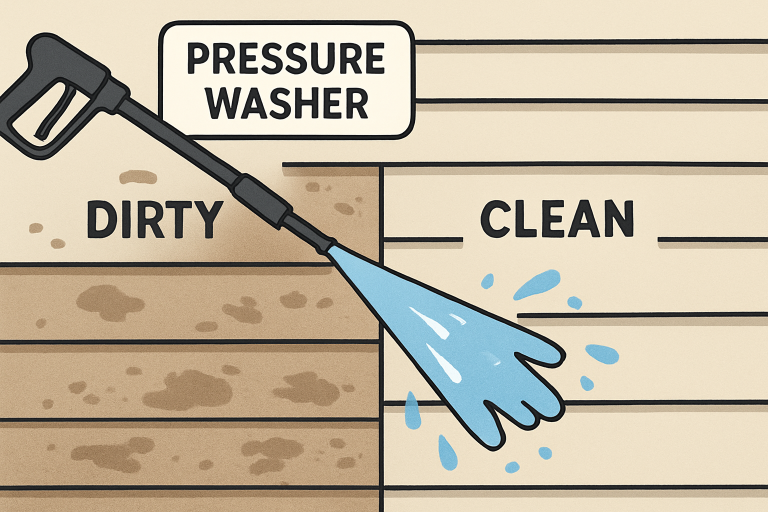
The effectiveness of pressure washing comes down to a blend of simple mechanics and scientific precision. Using a motorized pump, a pressure washer propels water at high velocities, delivering a spray that can strip away years of accumulation in minutes. Two core factors determine the cleaning power of the water jet:
- Pressure (PSI): Pounds per square inch is the metric for the force of water. High PSI (2,000–4,000+) is used for robust surfaces like stone and concrete, while more delicate surfaces call for lower PSI to prevent damage. Choosing the proper PSI is crucial to maximizing cleaning power while protecting materials.
- Water Flow Rate (GPM): The gallons per minute (GPM) defines the water volume delivered. A higher flow means more water efficiently moves dirt, mold, and contaminants away from the surface. Balancing PSI and GPM ensures stubborn grime is removed without unnecessary wear.
The synergy between these two measurements makes pressure washing efficient and adaptable. Adjusting nozzle size and spray patterns allows further customization, making it practical for everything from stripping old paint to gently rinsing off mildew on wood siding. According to the U.S. Environmental Protection Agency, correct pressure washing techniques can even reduce the need for chemical cleaners, making it an environmentally sound choice.
Benefits of Pressure Washing
The advantages of regular pressure washing go far beyond aesthetics:
- Enhanced Curb Appeal: Cleaner surfaces instantly boost property value and attractiveness, making a strong impression on visitors or potential buyers.
- Preventative Maintenance: Removing biological contaminants like mold, algae, and lichen prevents these organisms from breaking down materials, thus extending the lifespan of wood, stone, and concrete surfaces.
- Healthier Environments: By eliminating allergens and harmful growths, pressure washing significantly improves outdoor air quality and reduces exposure to irritants, supporting a healthier home or workplace. The Centers for Disease Control and Prevention notes that regular cleaning practices help reduce allergen loads and lower health risks.
Applications of Pressure Washing
Pressure washing is a versatile practice suitable for numerous applications. Understanding where and how it can be used ensures optimal results without risk to your property:
- Residential Exteriors: From siding and stucco to decks and fences, pressure washing helps preserve home exteriors, removing years of build-up and organic growth that can accelerate surface decay.
- Driveways and Walkways: Concrete, stone, and asphalt are prone to stubborn stains from oil, automotive fluid, and foot traffic. High-pressure cleaning restores these surfaces and helps prevent slipping hazards caused by algae and moss.
- Commercial Buildings: Facades, parking lots, and outdoor gathering spaces benefit from regular pressure washing, maintaining a clean professional appearance, and complying with health and safety codes.
Safety Considerations
While pressure washing offers powerful cleaning, safety precautions are vital to avoid accidents:
- Operators should always wear protective gloves, goggles, and sturdy footwear to shield from debris and accidental spray contact.
- Awareness of surroundings is essential—stay away from electrical sources, open windows, and fragile surfaces that might be damaged by high-pressure streams.
- Always test the washer on a small, inconspicuous area to confirm the pressure is safe for cleaning the material.
- Proper training or guidance from professionals reduces risk, especially for first-time users or challenging tasks.
Environmental Impact
Responsible pressure washing can minimize environmental impact. The method dramatically reduces chemical runoff into local streams and storm drains when performed with only water or eco-friendly detergents. Additionally, modern pressure washing equipment is often designed for maximum efficiency, conserving water without sacrificing cleaning power. Property owners should be mindful of local guidelines and ensure wastewater is disposed of properly to prevent contamination of public resources. For more on sustainable cleaning and environmental considerations, consult the National Geographic Green Cleaning Guide.
Choosing the Right Equipment
Selecting equipment that matches the job’s demands is integral to safe and successful pressure washing:
- Electric vs. Gas-Powered: Electric washers are quieter and ideal for lighter tasks like washing small patios and vehicles. Gas-powered models excel in demanding jobs, handling large areas and tough stains with higher PSI and mobility.
- Nozzle Selection: Pressure washers have multiple nozzles that alter the spray’s angle and intensity. Wider angles (40-degree) are suitable for delicate surfaces, while more focused sprays (0 to 15 degrees) tackle stubborn grime and stains.
- Accessories and Add-Ons: Surface cleaners, extension wands, and detergent injectors provide additional customization for specialized jobs, increasing the efficiency and reach of a standard unit.
Conclusion
Understanding the principles and practicalities behind modern pressure washing enables homeowners and businesses to maintain their properties confidently. By balancing the correct pressure, flow rate, equipment, and safety protocols, anyone can achieve dramatic, long-lasting cleaning without compromising their property’s safety or environmental health. Embracing this high-powered approach isn’t just a matter of aesthetics—it’s a crucial investment in your property’s preservation and overall value.