
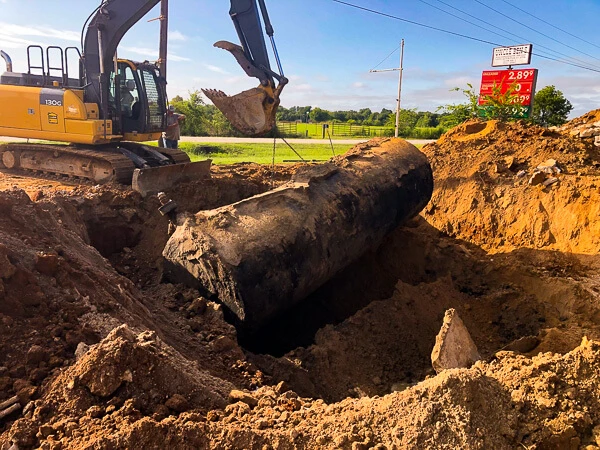
Why Industrial Sites Eventually Need Storage Tank Removal
Commercial facilities rely on storage tanks to manage fuels, chemicals, wastewater, and other essential materials. Over time, these tanks begin to age, corrode, or outgrow their operational purpose. When that happens, storage tank removal becomes a necessary step to maintain both safety and compliance. Removing outdated tanks prevents structural failures, environmental contamination, and costly downtime that results from equipment no longer capable of performing reliably.
Industrial tanks can remain in service for decades, but no tank lasts forever. Environmental regulations evolve, demand increases, and operational needs shift. When a tank can no longer meet current standards or when its condition presents a risk to the facility, removal is the most responsible course of action.
How Tanks Reach the End of Their Service Life
Even the strongest commercial tanks eventually degrade. Internal corrosion, fluctuating temperatures, and wear from continuous use slowly weaken the structure. External conditions such as moisture, chemical exposure, and weather further accelerate deterioration.
Common reasons for removal include:
- Corrosion that threatens structural integrity
- Changes in facility requirements or production volumes
- Tanks failing to meet updated environmental regulations
- Previous leaks or contamination concerns
- End-of-life materials or outdated tank construction
When any of these conditions arise, storage tank removal helps the site avoid future risks.
Why Removal Requires Professional Oversight
Removing a tank isn’t a simple demolition job. It involves strict safety procedures, hazardous material handling, and precise coordination. Tank removal teams must meet industry standards, follow environmental guidelines, and manage any contamination found during the process.
Professional removal crews typically:
- Empty and clean the tank before removal
- Handle vapors and residual materials safely
- Excavate or lift the tank with specialized equipment
- Perform environmental testing after removal
- Dispose of tank materials at certified facilities
This level of oversight ensures the storage tank removal process is safe and compliant from start to finish.
The Steps Involved in Removing a Storage Tank
Tank removal follows a structured sequence to ensure accuracy, safety, and regulatory compliance. The process varies depending on whether the tank is above ground or underground, but the core steps remain similar.
The typical removal process includes:
- Initial site evaluation and preparation of removal plans
- Isolating the tank from active systems and utilities
- Cleaning the tank to eliminate residue and vapors
- Excavating or disconnecting supports
- Lifting and removing the tank safely
- Conducting environmental assessments
- Transporting the tank for proper disposal
Each step must be completed in order to ensure responsible storage tank removal that protects the facility and its surroundings.
Why Environmental Testing Is Essential During Removal
During tank removal, one of the most important concerns is whether any leaks have occurred over time. Environmental testing provides clarity about soil and groundwater conditions. The results determine whether additional cleanup is needed before the site can be cleared or repurposed.
Testing typically includes:
- Soil sampling from multiple depths
- Groundwater monitoring where applicable
- Tank inspection for holes or corrosion
- Documentation of findings for regulatory records
- Recommendations for remediation if contamination is detected
These steps ensure that storage tank removal addresses not only the tank itself but also any environmental impact it may have caused.
How Removal Supports Compliance With Industrial Regulations
Facilities must comply with a wide range of safety and environmental regulations that govern tank handling, removal, and disposal. Regulators expect sites to remove tanks that pose a risk, no longer meet standards, or have the potential to leak.
Removal supports compliance by:
- Eliminating tanks that no longer meet structural requirements
- Preventing environmental damage that leads to fines or penalties
- Providing required documentation for agency audits
- Demonstrating proactive management of hazardous materials
- Ensuring the site meets local, state, and federal guidelines
A properly executed storage tank removal process keeps the facility aligned with these regulatory expectations.
The Importance of Proper Disposal After Removal
Once a tank is removed, it must be transported and disposed of at a facility certified to handle industrial materials. Tanks that once held fuel or chemicals must be processed in a way that prevents environmental harm.
Proper disposal includes:
- Transporting the tank with secure containment
- Cutting and processing the tank for safe handling
- Recycling or scrapping components when possible
- Disposing of hazardous residues according to law
- Documenting disposal with certificates of destruction
Ensuring responsible disposal is the final stage of storage tank removal and is just as important as the removal itself.
When Facilities Choose Replacement Instead of Removal Alone
Some facilities remove a tank because they intend to upgrade to a newer model or change their storage strategy. Removal often leads to the installation of modern tanks with better containment features, improved coatings, and greater compliance certifications.
Facilities may replace removed tanks with:
- Double-walled tanks for enhanced protection
- Corrosion-resistant steel units
- Above-ground systems for easier maintenance
- Modular or flexible-use storage solutions
These upgrades enhance efficiency and reduce long-term maintenance demands.
Why Early Removal Saves Costs and Reduces Liability
Waiting too long to remove a deteriorating tank increases the risk of leaks, contamination, or structural collapse. These issues can be extremely expensive to address after the fact. Early removal prevents emergencies and protects the facility’s long-term operational stability.
Advantages of early removal include:
- Avoiding soil or groundwater remediation costs
- Preventing system shutdowns caused by tank failure
- Reducing regulatory or legal risk
- Protecting nearby workers and equipment
- Making room for more efficient storage solutions
Proactive storage tank removal is far more cost-effective than reacting to tank failure.
Ensuring a Safe Transition Through Proper Tank Removal
Removing a storage tank is a major project, but it creates safer working conditions, protects the environment, and positions the facility for long-term operational success. With careful planning, professional oversight, and thorough environmental testing, storage tank removal becomes a responsible and strategic step in maintaining any industrial property.