
i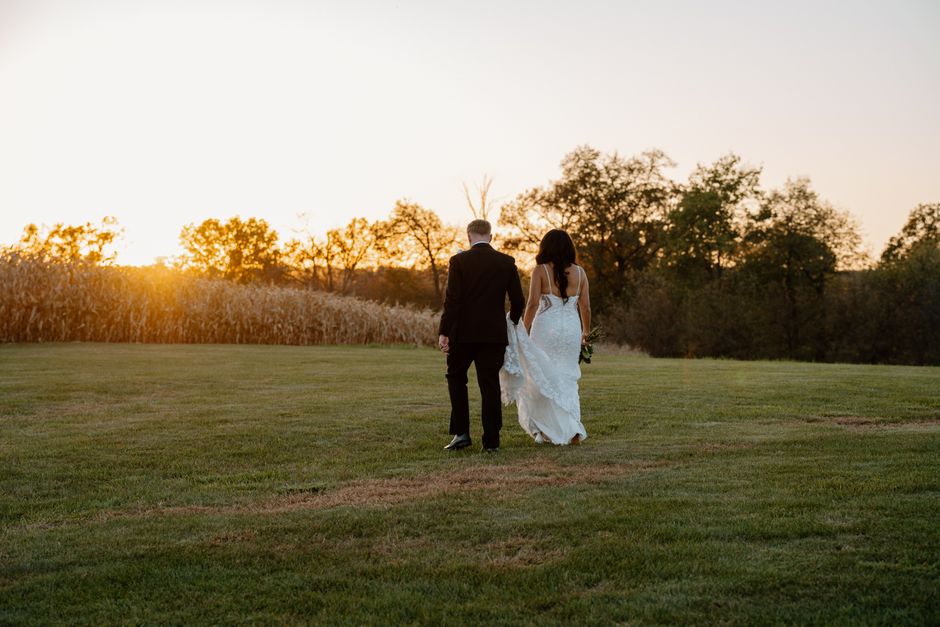
Imagine your wedding photos bathed in a warm, magical glow. They radiate romance and pure joy. This dream is real. It’s thanks to what photographers call the golden hour. The golden hour, often known as the magic hour, is a specific time. It’s just after sunrise or right before sunset. The sun is low, casting a soft, golden light.
This light is perfect for wedding photos. It makes harsh shadows disappear. It flatters skin tones. And, it creates a deeply romantic mood. Your pictures will have a timeless, glowing look.
Many couples want these stunning images. But getting them needs good planning. Especially for Unique destination golden hour photos like yours. In this guide, we will show you how to get amazing golden hour wedding photos for your special day.

The appeal of golden hour for wedding photography isn’t just a trend; it’s rooted in the unique properties of light during this fleeting period. Unlike other times of the day, golden hour offers a quality of light that is inherently flattering and visually rich, changing ordinary scenes into extraordinary memories.
Soft Light vs. Harsh Light: A Visual Change
Consider the stark contrast between midday light and the gentle illumination of golden hour. When the sun is high in the sky, typically between 10 AM and 3 PM, its light is direct, intense, and often unflattering. This harsh midday sun creates deep, defined shadows under the eyes, nose, and chin, which can make subjects squint and appear less relaxed. Colors can look washed out, and high contrast areas often lead to overexposed highlights and underexposed shadows in photographs, making it challenging to capture balanced images.
In contrast, golden hour light is soft, warm, and flattering, reducing harsh shadows and creating a more pleasing image. The sun’s low angle means its rays travel through more of the Earth’s atmosphere, scattering blue light and allowing warmer tones (reds, oranges, yellows) to dominate. This natural diffusion acts like a giant softbox, enveloping subjects in a gentle, even glow. The soft, diffused light of golden hour minimizes shadows and reduces the risk of overexposed highlights, resulting in beautifully balanced images. This quality of light makes it easier for photographers to capture every detail without losing information in either the brightest or darkest parts of the frame.
Warm Color Temperature and Flattering Skin Tones
One of the most celebrated aspects of golden hour is its warm color temperature. This natural warmth improves skin tones, giving them a healthy, radiant glow that looks natural and inviting. It creates a romantic atmosphere, making it ideal for portraits. Unlike the cooler, sometimes stark light of other times, the golden hue adds a sense of intimacy and warmth to every photograph, making couples look their absolute best. This is particularly crucial for wedding photos, where the aim is to capture beauty, emotion, and connection in the most appealing way possible.
Depth, Dimension, and Creative Techniques
The low angle of the sun during golden hour creates longer shadows and a gentle gradient of light, adding depth and dimension to photos. These elongated shadows can be used creatively to frame subjects, add visual interest, or lead the viewer’s eye through the composition. The interplay of light and shadow during this time is dynamic, allowing for a variety of artistic expressions.
Photographers can employ several creative techniques during golden hour to maximize its impact:
- Silhouettes: Golden hour provides the perfect opportunity for silhouette photography against vibrant skies. By exposing for the bright background and allowing the subjects to be underexposed, stunning and dramatic outlines of the couple can be created against a fiery, colorful sky.
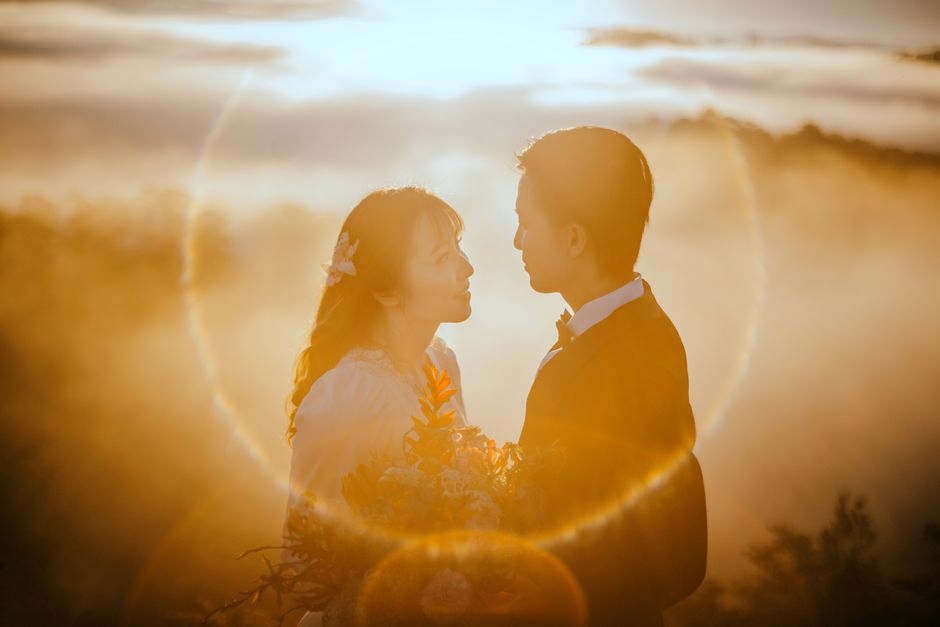
- Lens Flare: The sun’s low position allows for intentional lens flare, which can add a dreamy, ethereal, or cinematic quality to images. When managed skillfully, lens flare can improve the romantic mood without distracting from the subjects.
- Halo Effect/Rim Lighting: When the sun is positioned behind the couple, it creates a beautiful “halo” or “rim light” effect around their hair and shoulders. This separates them from the background, making them pop and adding a magical glow that is highly sought after in wedding portraits.
The golden hour light can transform ordinary backdrops into stunning photographic scenes. Whether it’s a sprawling landscape, an architectural marvel, or a simple garden, the quality of light lifts the entire environment, making every element contribute to a cohesive and breathtaking image. The golden hour light never goes out of style, imparting a timeless quality to wedding photos, ensuring your cherished memories remain enchanting for generations to come.

Planning Your Timeline for Perfect Destination Golden Hour Wedding Photos
Securing those coveted golden hour wedding photos requires meticulous planning and seamless coordination. It’s not just about hoping for the best; it’s about strategically integrating this magical window into your overall wedding day timeline. This is especially true for destination weddings, where unfamiliar locations and varying sunset times add layers of complexity.
Calculating the Golden Hour Window
The first step in planning is to precisely pinpoint when golden hour will occur on your wedding day. Golden hour typically starts about 30 minutes before sunset and ends 5-10 minutes before sunset. However, this is a general guideline. The exact timing and duration can vary significantly based on your specific location, the time of year, and even the local topography.
We highly recommend utilizing specialized photography apps and websites to calculate this window accurately. Tools like “The Photographer’s Ephemeris” or TimeAndDate.com are invaluable resources. They allow you to input your wedding date and specific location, providing precise sunrise and sunset times, as well as the exact golden hour window. For instance, in some mountainous regions, the sun might “set” earlier behind a peak, even if it’s still technically above the horizon. Similarly, dense forests can limit direct sunlight, affecting when and where the golden light appears.
Understanding these nuances is crucial because the “magic” can be incredibly fleeting. While the “hour” in golden hour suggests 60 minutes, the most intense and desirable light often lasts for a much shorter period, sometimes as little as 15-25 minutes.
Building Your Wedding Day Schedule
Once you know your golden hour window, the real planning begins: integrating it into your wedding day schedule. This often means making strategic decisions about your ceremony timing, cocktail hour, and reception.
- Ceremony Timing: If you envision golden hour portraits, consider scheduling your ceremony to conclude roughly 1 to 1.5 hours before the start of golden hour. This allows sufficient time for family photos, bridal party shots, and a brief break before you slip away for your couple’s portraits.
- First Look Impact: Couples who opt for a “first look” before the ceremony often have more flexibility. They can complete many of their formal portraits (couple, bridal party, family) earlier in the day, freeing up the golden hour exclusively for romantic, unhurried couple’s photos. If you choose not to do a first look, you’ll need to be extra efficient with post-ceremony photos to ensure you don’t miss the golden light.
- Guest Entertainment: Golden hour photos often fall just before sunset, making it an ideal time for couples to enjoy quiet moments together. However, this usually coincides with the cocktail hour or the beginning of the reception. Plan with your wedding coordinator to ensure guests are well-entertained during this brief absence. This could involve a lively cocktail hour with signature drinks and appetizers, a photo booth, or even a pre-dinner game. A second photographer can also be invaluable here, capturing candid moments of your guests while you’re away.
- Working with a Wedding Planner: Your wedding planner is your greatest ally in this endeavor. Share your desire for golden hour photos early in the planning process. They can help construct a detailed timeline that accounts for travel time between locations, ensures smooth transitions, and communicates your needs to all vendors, including your photographer, DJ, and catering staff.
Here are some sample timeline adjustments for different ceremony start times, assuming a 7:00 PM sunset and a golden hour from 6:30 PM to 6:55 PM:
- Early Afternoon Ceremony (e.g., 3:00 PM):
- 3:00 PM – 3:30 PM: Ceremony
- 3:30 PM – 4:30 PM: Family & Bridal Party Photos
- 4:30 PM – 5:30 PM: Travel/Relaxation
- 5:30 PM – 6:30 PM: Cocktail Hour (guests entertained)
- 6:30 PM – 6:55 PM: Golden Hour Couple’s Portraits
- 7:00 PM: Grand Entrance/Dinner
- Late Afternoon Ceremony (e.g., 5:00 PM):
- 5:00 PM – 5:30 PM: Ceremony
- 5:30 PM – 6:30 PM: Family & Bridal Party Photos (potentially overlapping with start of cocktail hour)
- 6:30 PM – 6:55 PM: Golden Hour Couple’s Portraits (during cocktail hour)
- 7:00 PM: Grand Entrance/Dinner
- Ceremony Just Before Golden Hour (e.g., 6:00 PM):
- 6:00 PM – 6:30 PM: Ceremony
- 6:30 PM – 6:55 PM: Golden Hour Couple’s Portraits (immediately after ceremony, potentially skipping some formal photos until later if needed, or doing a first look)
- 7:00 PM onwards: Cocktail Hour/Reception (formal photos during reception if needed)
The best time for portraits or location photos is the hour before sunset and even the minutes just after sunset, creating warm, dramatic, golden light.
Location and Venue Considerations for Destination Golden Hour Wedding Photos
Your venue and its surroundings play a significant role in the possibility of capturing successful golden hour photos. Not all locations are created equal when it comes to maximizing this light.
- Unobstructed Horizon: The ideal scenario is a location with a clear, unobstructed view to the horizon. This allows the sun’s low rays to bathe the scene in light without being blocked too early. Think open fields, beaches, rooftops, or lift viewpoints.
- Mountains and Buildings Impact: If your venue is nestled among tall mountains or surrounded by towering city buildings, the sun might “set” earlier than the official time, creating a premature twilight. While beautiful in its own right, this can shorten or eliminate your golden hour window. Discuss this with your photographer during venue scouting.
- Forested Venues: Densely forested areas, while offering beautiful natural backdrops, can also limit direct golden hour light. The light might filter through the trees, creating dappled patterns, which can be lovely but different from the full, glowing effect.
- Beach Locations: Coastal areas are often perfect for golden hour, offering wide-open horizons over the water. The reflective surface of the ocean can also amplify the light, creating stunning effects.
- Cityscapes: Urban environments can provide dramatic golden hour opportunities, especially from rooftops or bridges where the light reflects off buildings, creating a unique urban glow.
When choosing your venue or scouting locations within it, consider where the sun will be during your planned golden hour session. The golden hour light can transform ordinary backdrops into stunning photographic scenes, but only if the light can reach them.
Preparing for Your Golden Hour Session
Once the timeline is set and the location scouted, your preparation as a couple becomes the final piece of the puzzle for a truly magical golden hour session. This involves collaborating closely with your photographer and having contingency plans for unpredictable elements like weather.
Collaborating with Your Photographer
Your photographer is your expert guide in capturing these moments. Their role is paramount, and effective collaboration ensures you get the most out of your golden hour.
- Communicating Your Vision: Share your desires and expectations for these photos. Do you prefer candid moments, or are you hoping for some more posed, editorial shots? Are there specific backdrops or moods you want to achieve? The more information you provide, the better your photographer can tailor the session to your dreams.
- Trusting Professional Expertise: Trust your photographer’s guidance on timing, posing, and location within the venue. They are skilled at reading the light and knowing how to best position you for stunning results. They understand that the golden hour is fleeting and will manage the session efficiently, ensuring a wide variety of shots in a short timeframe.
- Efficient Session Management: An experienced photographer will work quickly and purposefully during golden hour. They know how to guide you into natural, flattering poses with minimal fuss, allowing you to relax and simply be yourselves. This efficiency means you can capture a remarkable number of beautiful images in a relatively short period, allowing you to return to your celebration without feeling like you missed out.
- Posing Guidance: Don’t worry about “what to do with your hands” or how to stand. Your photographer will provide gentle, clear direction, ensuring you look natural and connected. They’ll focus on capturing your authentic emotions and interactions, making the process enjoyable and stress-free.
Weather Contingencies and Alternatives for Destination Golden Hour Wedding Photos
While we all dream of a perfectly clear, sunny golden hour, the weather is inherently unpredictable. A skilled photographer, however, is prepared for anything and can still create stunning images, even if the sun doesn’t make an appearance.
- Overcast Days: Don’t underestimate the beauty of an overcast day. Cloudy skies act as a giant natural diffuser, creating incredibly soft, universally flattering light. This diffused light minimizes harsh shadows and reduces the risk of overexposed highlights, resulting in beautifully balanced images. Overcast conditions can create a moody, romantic atmosphere, and colors often appear more saturated and vibrant than under direct sunlight.
- Rainy Wedding Photos: Rain on your wedding day doesn’t have to be a disaster for photos; it can be an opportunity for unique, dramatic shots. With clear umbrellas, creative lighting, and a willingness to accept the elements, rainy photos can be incredibly romantic and memorable. The wet surfaces reflect light, adding an interesting dimension, and the soft light often present on rainy days is perfect for intimate portraits.
- Dramatic Clouds: Even if it’s not raining, a sky filled with dramatic clouds can provide an incredible backdrop for golden hour photos. The sun breaking through gaps in the clouds can create stunning light rays, adding depth and grandeur to your images.
- Blue Hour Photography: If golden hour is completely missed due to weather or scheduling, or if you simply want a different aesthetic, consider extending your session into the “blue hour.” This is the period just after sunset (or before sunrise) when the sky takes on deep blue and purple hues, and artificial lights begin to glow. Blue hour offers a unique and ethereal quality of light, creating a cool, sophisticated, and often dramatic ambiance. It’s perfect for capturing silhouettes against the deepening sky or for showcasing venue lighting.
- Combining Golden and Blue Hour: The transition from golden to blue hour can be incredibly beautiful, offering a diverse range of lighting conditions within a short timeframe. Many photographers will aim to capture both, moving from warm, soft portraits to cooler, more dramatic shots as the light changes. This provides a rich and varied gallery of images from your special day.
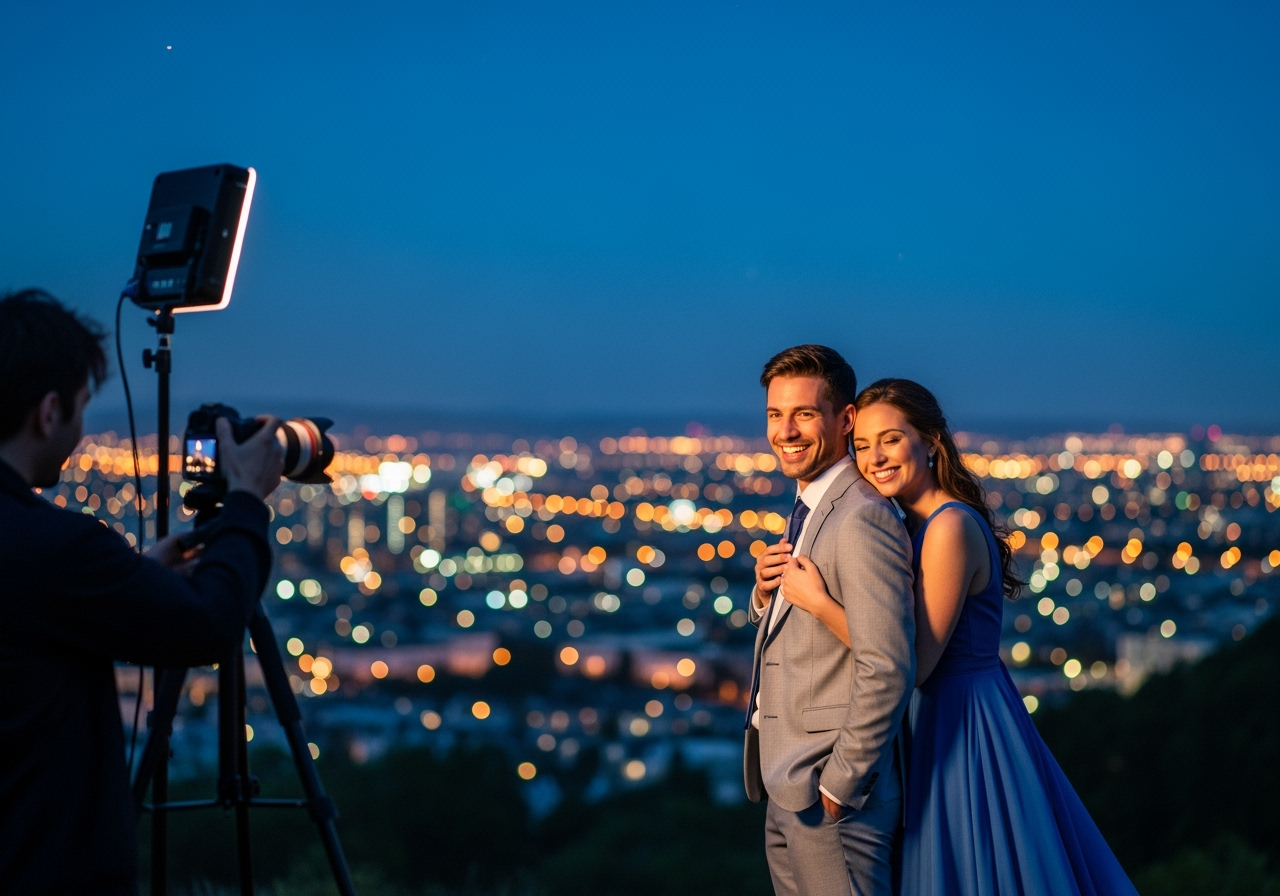
The best time for portraits or location photos is the hour before sunset and even the minutes just after sunset, creating warm, dramatic, golden light. A professional photographer is adept at making the most of any light condition, ensuring you have beautiful photos regardless of the weather.
Frequently Asked Questions about Golden Hour Wedding Photos
Couples often have many questions about how to best incorporate golden hour into their wedding day. Here are some of the most common ones we encounter:
How long should we set aside for golden hour photos?
A: While the “hour” in golden hour can technically last 45-60 minutes, the most magical and intense light is often concentrated in a much shorter 15-25 minute window. For this reason, we typically recommend setting aside approximately 15 to 20 minutes specifically for golden hour couple portraits. This allows your photographer to work efficiently, capturing a wide variety of stunning shots without taking you away from your celebration for too long. An experienced photographer understands the urgency of this light and can guide you through poses and locations quickly, maximizing every precious minute. This brief, intentional break also offers couples a quiet, intimate moment together amidst the joyful chaos of their wedding day, allowing them to reconnect and soak in the magic.
What happens if we miss the golden hour due to weather or delays?
A: Don’t worry! While golden hour is highly sought after, a skilled photographer can create beautiful images in any lighting condition. If the weather doesn’t cooperate, overcast skies can be a blessing in disguise, providing a soft, even, and diffused light that is incredibly flattering for portraits. This natural “softbox” minimizes harsh shadows and highlights, resulting in beautifully balanced images with rich, saturated colors.
Alternatively, the period just after sunset, known as “blue hour,” offers a completely different but equally romantic ambiance. With its deep blue and purple hues, blue hour creates a cool, moody, and sophisticated backdrop for photographs, especially when combined with artificial lights from your venue or decor. Your photographer might also use off-camera lighting techniques to replicate a warm glow or create dramatic effects, ensuring you still receive stunning, unique portraits that reflect the mood of your day, regardless of the natural light available.
Does golden hour look the same at every destination?
A: Absolutely not, and that’s precisely part of the magic and allure of destination golden hour photos! The quality and character of golden hour light are profoundly influenced by geographic location, local atmosphere, and the surrounding environment.
For instance, a sunset in Santorini, Greece, over the Aegean Sea, will likely feature a vibrant palette of oranges, pinks, and purples reflecting off the white-washed buildings and calm waters, creating a serene and ethereal glow. In contrast, golden hour in the Colorado mountains might offer dramatic light rays filtering through pine trees, casting long, textured shadows and highlighting rugged peaks with a warm, earthy tone. A tropical beach golden hour might be characterized by soft, hazy light with lush green surroundings and reflections off the ocean, while an urban setting could see the golden light bouncing off glass skyscrapers, creating a dynamic, modern sparkle.
The time of year also plays a role; summer golden hours are longer and higher, while winter golden hours are shorter and lower. The presence of atmospheric particles (like dust or humidity) can also affect the intensity and color saturation of the light. These unique variations mean that your golden hour wedding photos will be distinctively tied to your chosen destination, making them even more personal and memorable.
Conclusion: Capturing Timeless Memories
The pursuit of golden hour wedding photos is more than just a trend; it’s an investment in capturing the most romantic, flattering, and timeless images of your special day. The soft, warm, and rich light of this magical period transforms ordinary moments into extraordinary heirlooms, imbuing your photographs with an undeniable sense of romance and beauty.
While achieving these stunning shots requires careful planning and coordination, the effort is undeniably worth it. By understanding the science behind golden hour, strategically planning your wedding day timeline, considering your venue’s unique characteristics, and collaborating closely with your professional photographer, you can ensure you seize this fleeting opportunity.
Your wedding day is a once-in-a-lifetime event, and your photographs are the tangible memories you’ll cherish for decades to come. The golden hour light never goes out of style, imparting a timeless quality to wedding photos, ensuring they remain beautiful and enchanting for generations to come. Trust in the expertise of your wedding photography team to guide you, allowing you to relax and fully immerse yourselves in the magic of your golden hour, creating a gallery of images that truly reflects the golden glow of your love.