

Key Takeaways
- Furnace type and size must align with your home’s construction, size, and energy sources.
- Energy efficiency plays a significant role in long-term cost savings and environmental impact.
- Choose a certified, reputable HVAC contractor to avoid installation issues and early equipment failures.
- Regular maintenance and understanding warranty terms will help you maximize your investment.
- Explore modern furnace features, available rebates, and incentives to enhance comfort and savings.
When it’s time to replace or upgrade your home’s heating system, selecting the appropriate furnace installation can significantly impact your comfort and energy expenses for years. The process involves more than just choosing a new unit—it’s about assessing your home’s needs and local climate and ensuring proper installation. For guidance throughout the process, consult Hamilton’s trusted furnace installation experts, who can help you identify the most suitable solution for your specific requirements.
Proper furnace installation doesn’t just affect warmth in winter; it also influences indoor air quality, energy efficiency, and the longevity of your heating investment. Making informed decisions means closely examining furnace types, sizes, efficiency ratings, available features, and the reliability of your chosen installer.
Understanding Furnace Types
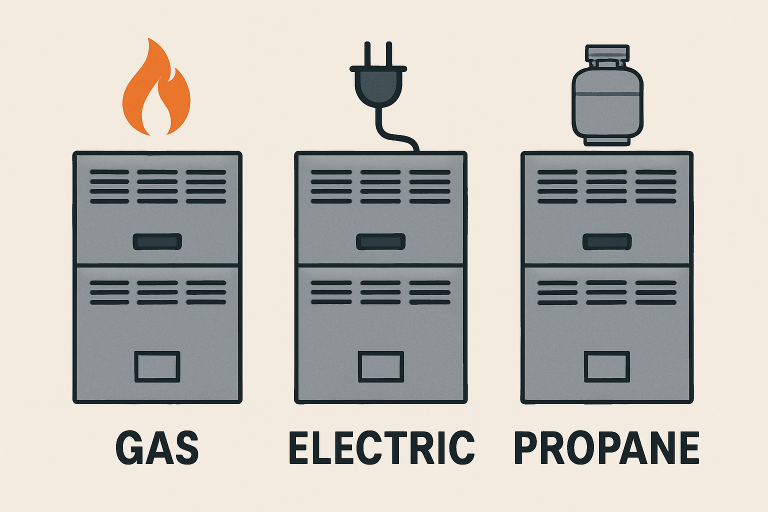
Not all furnaces are created equal. The best type of Furnace for your household depends on accessibility to fuel sources and efficiency goals. The three primary categories are:
- Gas Furnaces: Natural gas furnaces are prized for their prompt, efficient heating and lower fuel costs, especially in regions with affordable gas prices.
- Electric Furnaces: Ideal for homes lacking natural gas infrastructure, these units run entirely on electricity and require minimal maintenance, though operating costs may be higher.
- Propane Furnaces: Often used in rural settings without access to natural gas, propane furnaces store fuel on-site, providing flexibility and reliability.
Work with your HVAC professional to assess local utility prices, home layout, and existing infrastructure before selecting.
Determining the Right Furnace Size
Choosing a furnace that matches your home’s needs is essential. An oversized furnace will cycle on and off frequently, leading to inefficient operation and added wear on the system. Conversely, an undersized furnace will struggle to maintain desired temperatures, especially during extreme cold. A professional HVAC technician will use a detailed load calculation, considering your home’s square footage, insulation, window efficiency, and heat loss to recommend an optimal unit size. For more information about proper furnace sizing, visit the U.S. Department of Energy guide.
Evaluating Energy Efficiency
Furnace efficiency is reported as the Annual Fuel Utilization Efficiency (AFUE) rating—a higher AFUE means more heat for every energy dollar spent. Modern high-efficiency furnaces can achieve 90% or above AFUE ratings, dramatically reducing heating expenses over the unit’s lifetime. Consider models that meet or exceed ENERGY STAR® guidelines to ensure you benefit from advanced technology, improved performance, and reduced carbon emissions. Learn about the impact of the AFUE rating and high-efficiency models from the U.S. Department of Energy.
Selecting the Right HVAC Contractor
Installation quality is just as critical as equipment choice. Look for technicians with certifications such as NATE (North American Technician Excellence), which signifies a high standard of training and expertise. Verify contractor references, check reviews, and request detailed, written estimates before agreeing to any work. Reliable professionals will guide you in planning every aspect of installation, ensuring code compliance and safety.
Maintenance Planning and Warranty Considerations
Routine furnace maintenance is essential for extending the lifespan of your system and keeping it running smoothly. Many reputable contractors offer scheduled maintenance programs, providing cleaning, inspections, and early identification of issues. Additionally, thoroughly review the warranty terms on your new furnace. Some manufacturers offer extended coverage on major components for added peace of mind, while some labor warranties are conditional on regular professional servicing.
Exploring Additional Features and Smart Technology
Today’s furnaces can incorporate features that enhance household comfort and convenience:
- Variable-Speed Blowers: These adjust the airflow to optimize energy use and maintain consistent temperatures throughout your home.
- Smart Thermostat Integration: Modern thermostats allow remote temperature adjustments, scheduling, and energy analytics to track performance and reduce unnecessary heating.
- Built-In Air Quality Enhancements: Some furnaces offer advanced filter options or integrated humidifiers to support healthier indoor air.
Discuss these options with your HVAC installer to find a system that best matches your household’s lifestyle and comfort goals.
Budgeting and Available Incentives
While the initial investment in a new, efficient furnace may seem substantial, remember to weigh long-term savings against upfront costs. Many utility companies and government agencies offer rebates, low-interest financing, or tax credits for high-efficiency HVAC upgrades. Investigate current incentive programs with your installer or visit official government sites for the latest energy efficiency incentives.
Preparing for Installation Day
A smooth installation starts with good preparation. Clear the area around your furnace or installation site to give the crew unobstructed access. Check that your ductwork is not blocked or damaged, as this can affect the performance of any new system. Additionally, evaluate your home’s insulation and address any issues before installation, maximizing the furnace’s efficiency and comfort benefits from day one.
Ultimately, investing the time to research your options and consult experts ensures your furnace installation is successful. By focusing on efficiency, sizing, and professional guidance, you can enhance your indoor comfort and security for years.