
The Different Types of Roofing Warranties Available
When investing in a new asphalt shingle roof, the warranty is as crucial as the quality of the materials and the expertise of the installation. It’s not just a piece of paper; it’s a promise of protection for your significant investment. Understanding the nuances of different warranty types is essential for ensuring your peace of mind and the long-term value of your home. Broadly, roofing warranties can be categorized into material warranties and full system warranties, each offering distinct layers of protection.
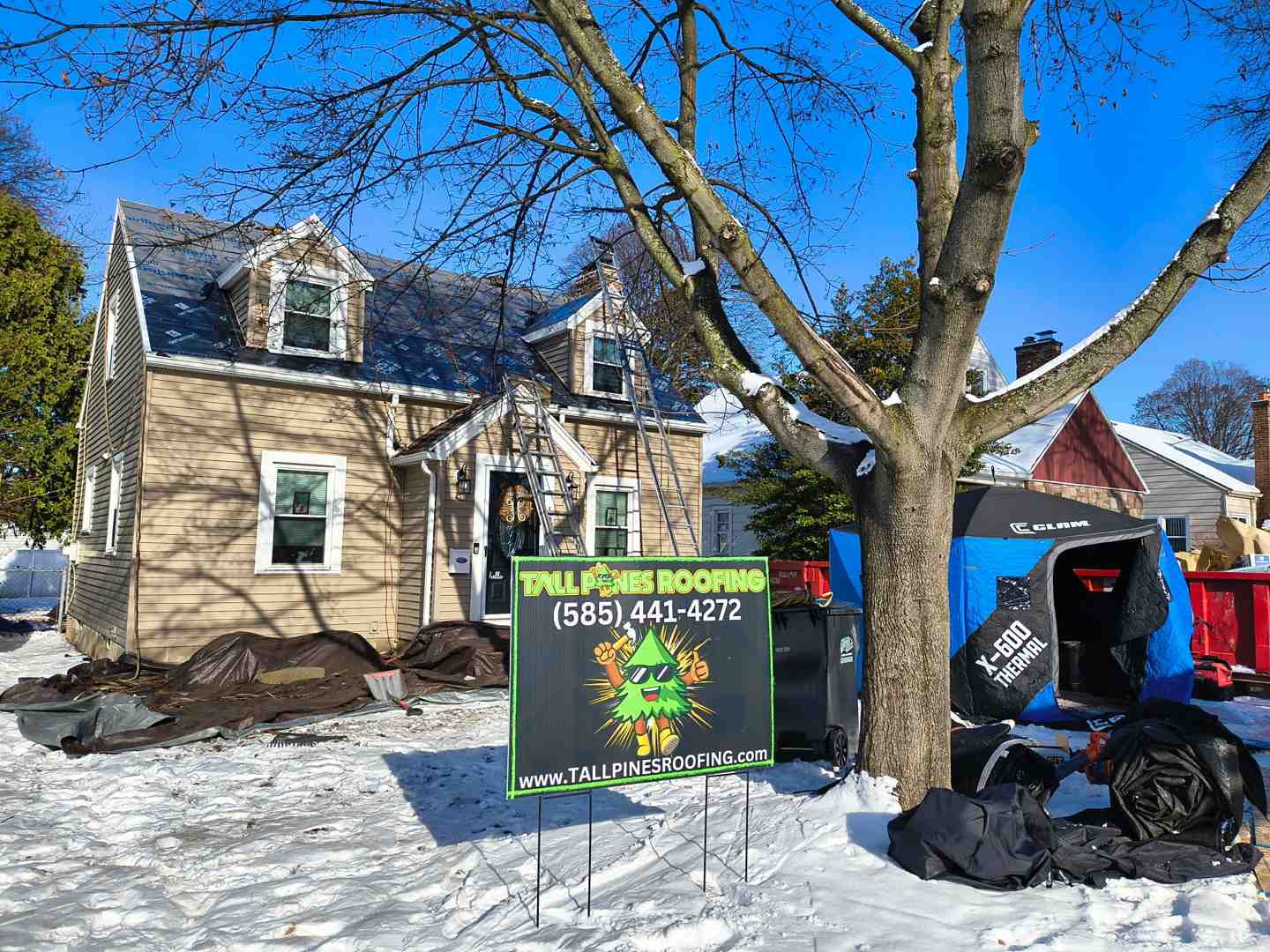 Your home’s roof is a major investment, protecting everything inside from Rochester NY’s weather. When considering asphalt shingle roofing, understanding the long-term value and crucial role of warranties is key. Many homeowners overlook how a good warranty can save money and stress down the road. We will explore the different types of roofing warranties, what they cover, and how they contribute to your roof’s lifespan. We’ll also discuss important factors that can affect your warranty, helping you make informed decisions for your home. This knowledge ensures your roofing project provides lasting peace of mind and secures your investment for years to come.
Material coverage typically focuses on the integrity of the asphalt shingles themselves. This type of warranty protects against manufacturing defects that could lead to premature failure, such as cracking, curling, or excessive granule loss. It ensures that the shingles you’ve purchased meet the manufacturer’s quality standards. If the shingles fail due to a defect within the specified period, the manufacturer will generally cover the cost of replacement materials. This is a foundational level of protection, but it’s important to recognize its limitations; it usually doesn’t cover labor costs for removal or reinstallation, nor does it extend to other components of your roofing system.

However, a more comprehensive approach comes with a full system protection warranty. This type of warranty extends beyond just the shingles to cover all the integral components of your roofing system that are supplied by the same manufacturer. This often includes the underlayment, starter strips, hip and ridge caps, and ventilation products. When all these elements are designed to work together and are installed as a cohesive system, a full system warranty provides a much broader scope of coverage. It acknowledges that a roof is more than just shingles; it’s a complex system where each part plays a vital role in its overall performance and longevity. This integrated approach can be invaluable, as issues often arise from the interaction between different components, not just a single material failure.
Manufacturer defects are a key focus of these warranties. These are flaws in the product that originate during the manufacturing process, making the material inherently less durable or functional than intended. Examples include inconsistent shingle thickness, improper adhesive application, or incorrect granule embedding. While rare, such defects can significantly shorten a roof’s lifespan. A strong warranty will outline how to identify and report such issues, and what recourse homeowners have. It’s worth noting that many manufacturers offer standard warranties, but some reputable roofing companies provide enhanced guarantees, such as a robust Tall Pines 30-year warranty, which speaks to their confidence in the quality of the materials they install and the expertise of their installation teams. Such extended warranties often come with additional benefits, like non-prorated coverage for longer periods, offering superior protection.
When considering common warranty durations, you’ll find a range depending on the shingle type and manufacturer. Basic 3-tab asphalt shingles might come with a 20 or 25-year limited warranty, while architectural or laminate shingles, known for their durability and aesthetic appeal, often carry 30-year or even “lifetime limited” warranties. “Lifetime” in this context usually refers to the lifetime of the original homeowner or as long as they own the home, and it often comes with prorated coverage after a certain initial period. This means the coverage amount decreases over time
Here’s a general list of common warranty durations homeowners might encounter:
Understanding these different types and durations is paramount. A longer warranty, especially one that is non-prorated for an extended period and covers the entire system, represents a higher level of confidence from the manufacturer in their product’s durability and performance. It also translates directly into greater long-term value and reduced financial risk for you, the homeowner. Always scrutinize the terms and conditions, paying close attention to what’s covered, for how long, and any conditions that might affect its validity.
Manufacturer Coverage vs. Workmanship Guarantees
When evaluating roofing warranties, it’s critical to distinguish between manufacturer coverage and workmanship guarantees. While both are essential for comprehensive protection, they address different aspects of your roofing project. Understanding this distinction is key to ensuring you have full security for your home’s most important defense against the elements.
Manufacturer Coverage
Manufacturer Coverage primarily focuses on the quality and integrity of the roofing materials themselves. This type of warranty is provided by the company that produces the shingles and other roofing components. Its main purpose is to protect homeowners against factory defects – flaws in the product that occurred during the manufacturing process. For instance, if a batch of shingles is produced with an adhesive that fails prematurely, or if the granules detach at an accelerated rate due to a manufacturing error, the manufacturer’s warranty would typically cover the cost of replacing those defective materials. This coverage ensures that the products you purchase meet the specified quality standards and will perform as advertised under normal conditions. It’s about the inherent quality of the material itself.
Workmanship Guarantee
On the other hand, a workmanship guarantee is provided by the roofing contractor who installs your roof. This guarantee specifically covers installation errors – any issues that arise due to mistakes or deficiencies in how the roof was installed. Even the highest quality materials can fail prematurely if not installed correctly. Common installation errors could include improper shingle nailing, inadequate flashing around chimneys or vents, incorrect underlayment application, or poor ventilation setup. A robust workmanship guarantee provides labor protection, meaning if a problem occurs because of how the roof was put on, the contractor will repair or replace the affected areas at no additional cost to you. This highlights the contractor’s confidence in their team’s skills and adherence to industry best practices.
Here’s a conceptual comparison to illustrate the differences:
Comprehensive Security
It’s ideal to have both strong manufacturer coverage and a solid workmanship guarantee. Many premium roofing systems offer extended manufacturer warranties that are only valid when installed by a certified contractor. These “system warranties” often blend aspects of both, sometimes even covering labor costs if a material defect leads to failure, provided the entire system was installed according to the manufacturer’s specifications by an approved installer. This layered protection provides the highest level of assurance, safeguarding your investment from both material flaws and installation mistakes.
Material Longevity
The material longevity promised by a manufacturer’s warranty can only be realized if the installation is flawless. A 50-year shingle will not last 50 years if it’s improperly nailed, allowing wind to lift it or water to penetrate. This is where the service reliability of your chosen contractor becomes paramount. A contractor who stands behind their work with a substantial workmanship guarantee demonstrates a commitment to quality and customer satisfaction. They understand that their reputation is built on the durability of the roofs they install, not just the quality of the materials they use.
Therefore, when selecting a roofing company, inquire not only about the manufacturer’s warranty on the shingles but also about the length and scope of their own workmanship guarantee. A reputable contractor will be transparent about both and will often be certified by leading manufacturers, allowing them to offer enhanced manufacturer warranties that include extended labor coverage. This dual protection ensures that your roof is not only built with high-quality materials but also installed with the precision and care necessary for it to withstand Rochester’s diverse weather conditions for decades to come.
Factors That Influence Warranty Validity and Roof Lifespan
A roofing warranty is a valuable asset, but its validity and your roof’s actual lifespan are heavily influenced by several critical factors. Understanding these elements can help you protect your investment and ensure your roof performs as expected for decades. Ignoring them, however, could prematurely void your warranty and lead to costly repairs or early replacement.
Ventilation
One of the most crucial factors is proper roof ventilation systems and attic airflow. An attic that is poorly ventilated can trap excessive heat and moisture. In the summer, superheated air can bake the underside of your shingles, causing them to curl, crack, and age prematurely. In the winter, moisture buildup can lead to condensation, which can rot roof decking and support structures, and even cause mold growth. Many shingle manufacturers explicitly state in their warranty terms that inadequate ventilation can void coverage, as it directly contributes to shingle degradation. Effective ventilation allows hot, moist air to escape, maintaining a more consistent temperature and humidity level in the attic, extending the life of your shingles and the entire roofing system.
Shingle Condition
The condition of your shingle granules is another key indicator of roof health and warranty performance. These small, ceramic-coated particles embedded in the asphalt shingle surface serve multiple vital functions: they protect the asphalt from harmful UV rays, add color, and provide fire resistance. Over time, granules naturally shed, especially during heavy rains or after installation. However, excessive granule loss, often visible as a sandy accumulation in your gutters, can indicate that the shingles are nearing the end of their life or are degrading prematurely. If this premature loss is due to a manufacturing defect, your warranty might cover it. However, if it’s due to other factors like improper installation leading to blistering or impact damage, the warranty might not apply. Regular inspections can help identify abnormal granule loss early.
Moss Prevention
Moss prevention is also essential, particularly in humid or shaded areas like those often found in Rochester, NY. Moss and algae growth on shingles can be more than just an aesthetic issue; they retain moisture, which can accelerate the deterioration of the shingle surface. The roots of moss can lift shingles, making them vulnerable to wind and water penetration. While some warranties might cover algae discoloration, they typically do not cover damage caused by moss growth if it’s due to lack of maintenance. Keeping your roof clean and free of debris, and considering algae-resistant shingles (often containing copper granules), can help prevent this issue and protect your warranty.
Maintenance Records
Maintaining detailed maintenance records is paramount for any warranty claim. Just as with a car, a roof warranty often requires regular upkeep. This includes annual inspections, clearing debris, cleaning gutters, and making minor repairs promptly. If you need to file a claim, manufacturers or contractors may request proof that the roof has been properly maintained. Without documented evidence of regular maintenance, your claim could be denied. We recommend keeping a log of all inspections, cleanings, and repairs, including dates, descriptions of work performed, and any receipts from professionals.
Warranty Transfer
The transferability of your warranty is an important consideration, especially if you plan to sell your home. Many manufacturer warranties are transferable to a new homeowner, often once, and usually within a specific timeframe after the sale (e.g., 60 or 90 days). This feature can significantly enhance the resale value of your home, as it offers the new buyers peace of mind regarding the roof’s condition. However, there are usually specific procedures and sometimes a transfer fee involved. Failing to follow the correct transfer process can render the warranty void for the new owner. Always check the warranty document for specific transfer clauses.
Finally, numerous actions and external factors can inadvertently void coverage. Here’s a list of common culprits:
By paying close attention to these factors, homeowners can ensure their asphalt shingle roof not only achieves its maximum lifespan but also remains fully protected by its warranty, safeguarding their investment for years to come.
Frequently Asked Questions
Understanding the intricacies of roofing warranties can be complex, and homeowners often have specific questions. Here, we address some of the most frequently asked questions to provide clarity and help you navigate your roofing investment with confidence.
What is typically covered under standard roofing warranties?
Standard roofing warranties, particularly those offered by manufacturers for asphalt shingles, primarily focus on protecting against shingle defects and manufacturing errors. This means if the shingles themselves are inherently flawed due to the production process, leading to premature failure, the warranty should cover their replacement. These defects might manifest as premature aging, such as rapid granule loss, cracking, or curling that occurs much earlier than the expected lifespan of the shingle.
The coverage typically extends to the material’s ability to withstand normal environmental conditions, offering a degree of weather resistance. For example, if shingles become brittle and crack under normal temperature fluctuations, or if their adhesive fails to seal properly under standard wind conditions (below hurricane force, for instance), this could fall under a manufacturing defect. However, it’s crucial to understand that standard warranties usually do not cover damage caused by extreme weather events like hail, tornadoes, or hurricanes, which are typically covered by your homeowner’s insurance.
Furthermore, standard warranties may cover component failure for other parts of the roofing system supplied by the same manufacturer, such as starter strips, hip and ridge caps, and sometimes even underlayment, if they also exhibit manufacturing defects. The key is that the issue must stem from a flaw in the product itself, not from improper installation or external damage. It’s important to read the fine print, as many standard warranties are prorated, meaning the coverage amount decreases over time, and they often do not cover the labor cost for removal and reinstallation.
How long do most roofing warranties last?
The duration of roofing warranties varies significantly, largely depending on the type of asphalt shingle and the specific manufacturer. For traditional 3-tab asphalt shingles, which are generally more economical, you might see warranties ranging from 15-25 years. These warranties are often limited and prorated, meaning the full replacement value is only covered for an initial period, after which the coverage amount declines based on the age of the roof.
For more durable and aesthetically pleasing architectural or laminate shingles, the warranty periods are typically longer, often starting at 30 years. Many premium architectural shingles come with what are marketed as 50-year material options or “lifetime limited” warranties. It’s vital to understand that “lifetime” usually refers to the period the original homeowner owns the property, and these warranties also become prorated after an initial non-prorated period (e.g., 10-15 years). This initial non-prorated period is crucial, as it offers the highest level of protection.
Beyond these standard offerings, many manufacturers, in conjunction with their certified contractors, offer extended protection plans. These can significantly enhance the warranty, sometimes extending the non-prorated period, adding coverage for labor costs, and providing additional protection against installation errors. These extended warranties are a strong indicator of both the manufacturer’s confidence in their product and the contractor’s commitment to quality. The actual asphalt lifespan of a roof in a climate like Rochester, NY, can vary, but with proper installation and maintenance, a quality asphalt shingle roof can often meet or exceed its warranty period, typically lasting between 15-25 years for standard shingles and 25-40+ years for architectural ones.
Can a warranty be transferred to a new homeowner?
Yes, many roofing warranties, particularly those from reputable manufacturers and contractors, can be transferred to a new homeowner. This feature is a significant benefit, as it can positively impact your home’s real estate value. A house with a transferable roof warranty offers prospective buyers peace of mind, assuring them that a major component of the home is protected against future issues. This can be a compelling selling point in a competitive market.
However, the process and conditions for transferability are crucial. Typically, there are specific requirements to fulfill the transfer. You will need to provide documentation of the original warranty, often including the date of installation, the contractor’s information, and proof of purchase. Most warranties require the transfer to be completed within a specific timeframe after the sale of the home, such as 30, 60, or 90 days. Failing to adhere to this window can render the warranty void for the new owner.
There may also be transfer fees associated with the process. These fees are usually a nominal amount intended to cover administrative costs. Both the seller and the buyer need to understand these potential costs and who is responsible for them. Furthermore, while the warranty transfers, the coverage limits for secondary owners might differ from those of the original homeowner. For instance, a “lifetime limited” warranty for the original owner might convert to a 50-year prorated warranty for the subsequent owner. Always review the specific terms regarding transferability in your warranty document to ensure a smooth transition and continued protection for the new homeowner.
Conclusion
Navigating roofing warranties can seem daunting, but understanding their nuances is fundamental to safeguarding your home and your financial investment. We’ve explored the critical distinctions between material and full system coverage, the importance of workmanship guarantees versus manufacturer warranties, and the various factors that can influence both your warranty’s validity and your roof’s overall lifespan. From proper ventilation and diligent maintenance to understanding transferability, each element plays a vital role in ensuring your roof performs optimally for years to come.
A comprehensive warranty package—combining robust manufacturer coverage with a solid workmanship guarantee from a certified professional—provides invaluable peace of mind. It assures you that your home is protected against both material defects and installation errors, offering a safety net against unforeseen issues. This layered protection is not just about repairs; it’s about securing your home’s investment security, knowing that a major component of your property is built to last and backed by reliable assurances.
As your roofing project concludes, a thorough final inspection is essential. This is your opportunity to confirm that the installation meets all specifications and that you have received all necessary warranty documentation. Keep these documents in a safe place, along with any maintenance records, as they will be crucial should you ever need to file a claim or transfer the warranty.
By making informed decisions about your asphalt shingle roofing and understanding the power of a comprehensive warranty, you are investing in the long-term durability of your home. This proactive approach leads to greater homeowner confidence, ensuring that your roof will continue to protect your family and your assets through all of Rochester NY’s seasons, providing lasting value and comfort for decades to come.