
Essential Materials for a Durable Home Exterior
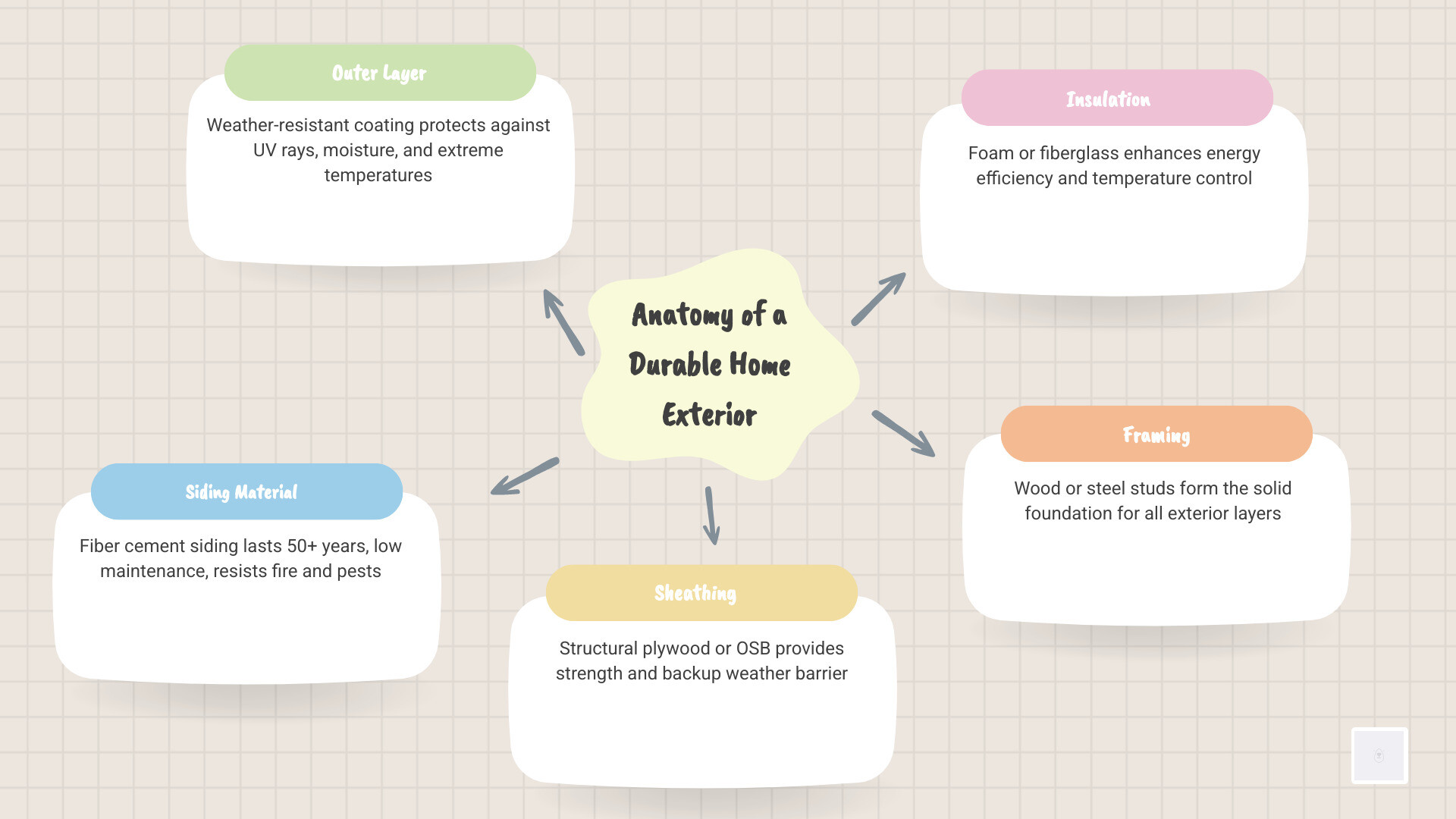
When we consider upgrading our home’s exterior, the choice of materials is paramount. Beyond fleeting trends, we prioritize longevity, resilience, and aesthetic appeal that endures. For 2026, the focus is firmly on materials that offer excellent durability, require low maintenance, and contribute to the overall character of our homes.
One of the most popular and highly recommended materials is fiber cement siding. Praised for its exceptional durability and low maintenance, fiber cement is a consensus choice for full-facade renovations. It’s known to last 50 years or more with proper care, offering a robust shield against the elements. The cost, typically ranging from $6 to $12 per square foot, makes it an attractive option given its performance.
Natural stone veneer is another material gaining significant traction. Offering a timeless, organic, and upscale feel, natural stone is virtually permanent and requires almost no maintenance. While the initial investment is higher, typically $15 to $30 per square foot, its enduring beauty and resilience make it a worthwhile choice for those seeking a distinguished look.
Brick, particularly natural red and earthy tones with tumbled or handmade-look textures, is experiencing a strong resurgence. It provides a solid, grounded base that other materials can beautifully complement. Stucco, especially in arid climates, continues to be a popular choice for its smooth finish and thermal properties, often used in textural layering with other materials.
Choosing the right materials also means considering their long-term performance and environmental impact. For instance, permeable pavers are becoming a go-to for hardscapes. These innovative pavers allow water to seep through, reducing stormwater runoff and contributing to better drainage and sustainability. They are an eco-friendly choice that can enhance both the functionality and aesthetics of driveways, patios, and walkways.
Here’s a quick comparison of some popular exterior materials:
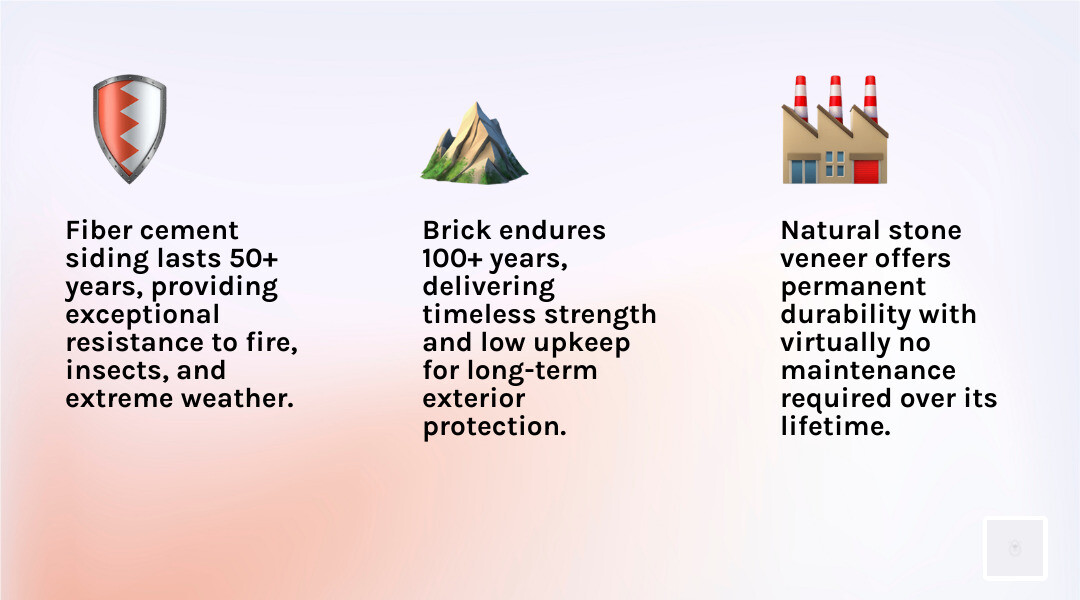
Material Durability (Years) Cost per sq ft (Approx.) Maintenance Level Fiber Cement Siding 50+ $6 – $12 Low Natural Stone Veneer Permanent $15 – $30 Very Low Brick 100+ $8 – $20 Low Stucco 50-80 $7 – $15 Moderate Wood Siding 20-40 $8 – $16 High These choices reflect a broader trend towards “material confidence,” where we opt for fewer, higher-quality materials that create facades feeling both inevitable and coherent.
High-Performance Roofing and Cladding Solutions
The roof of our home is far more than just a protective cap; it’s a critical component of our home’s exterior design, energy efficiency, and structural integrity. In fact, the roof can account for over half of the visible shell of a home, making its aesthetic and functional qualities paramount.
When considering high-performance roofing, metal roofing stands out for its longevity, durability, and energy efficiency. Metal roofs can reflect solar radiant heat, significantly reducing cooling costs, especially in sun-drenched regions. They are also incredibly resilient against extreme weather conditions, a crucial factor in areas prone to intense heat, monsoons, and high UV exposure.
Asphalt shingles remain a popular choice due to offering a wide array of colors and styles, allowing us to complement our home’s architecture and landscaping. Modern asphalt shingles are designed for enhanced durability and weather resistance, providing excellent protection for decades.
A well-maintained roof not only protects our home from damage but also plays a significant role in its curb appeal. An aging or damaged roof can create a poor first impression, overshadowing even the most pristine interiors. This is why regular inspections and timely repairs are essential. For expert guidance and reliable service, we always recommend consulting with experienced Phoenix roof repair experts. They can help us choose the right materials and ensure professional installation or repair, safeguarding our investment.
Beyond the roof, cladding solutions are vital for the overall performance and appearance of our home’s exterior. Cladding acts as a protective layer, shielding the structure from moisture, pests, and temperature fluctuations. Modern cladding materials, including fiber cement and innovative composite options like WPC home exterior cladding, offer superior performance. These materials are designed to withstand harsh environmental conditions while providing a wide range of aesthetic possibilities, from sleek contemporary finishes to traditional textures. They contribute to the biophilic design trend by offering natural looks with enhanced durability and minimal upkeep.
Investing in high-performance roofing and cladding solutions is a strategic decision that enhances our home’s curb appeal, boosts its energy efficiency, and provides long-term structural protection, ensuring our home remains a beautiful and secure sanctuary for years to come.
Mixing Materials for a Timeless Aesthetic
The days of single-material facades are largely behind us. For 2026, a key trend is the thoughtful integration of multiple materials to create exteriors with visual depth, character, and a timeless appeal. This approach, often referred to as textural layering, allows us to achieve a sophisticated look that feels both modern and enduring.
Imagine a home where brick forms a grounded, classic base, providing a sense of history and permanence. This can then be beautifully complemented by warm wood accents on porches, pergolas, or garage doors, introducing natural texture and a touch of warmth. Stone elements, perhaps as a wainscoting or around the entryway, add another layer of organic texture and a feeling of solidity. Finally, strategic use of metal, in elements like window frames, railings, or even roofing accents, can introduce a contemporary edge and subtle contrast.
The art of mixing materials lies in creating harmony rather than busyness. We aim for a cohesive palette where each material enhances the others, contributing to the overall architectural coherence of the home. This might mean using a warm white brick with creamy trim and deep green accents, allowing the natural tones of wood and stone to tie everything together. The goal is to avoid a patchwork effect and instead achieve a balanced composition that respects the home’s architectural style, whether it’s a modern farmhouse, a traditional colonial, or a contemporary desert dwelling.
This approach also lends itself well to modern-traditional balance, where classic materials are used in contemporary ways or modern forms are softened with natural textures. For example, large-format pavers can be edged with traditional brick for a balanced look, or a sleek metal roof can top a home clad in a mix of stucco and wood.
Furthermore, mixing materials can help create seamless indoor-outdoor continuity. By extending materials like brick or stone from the exterior into transitional spaces, such as covered patios or entryways, we blur the lines between inside and out, fostering a more integrated living experience. This strategy not only enhances the aesthetic flow but also reinforces the biophilic design principle of connecting our homes with their natural surroundings.
Strategic Upgrades to Maximize Curb Appeal and Value
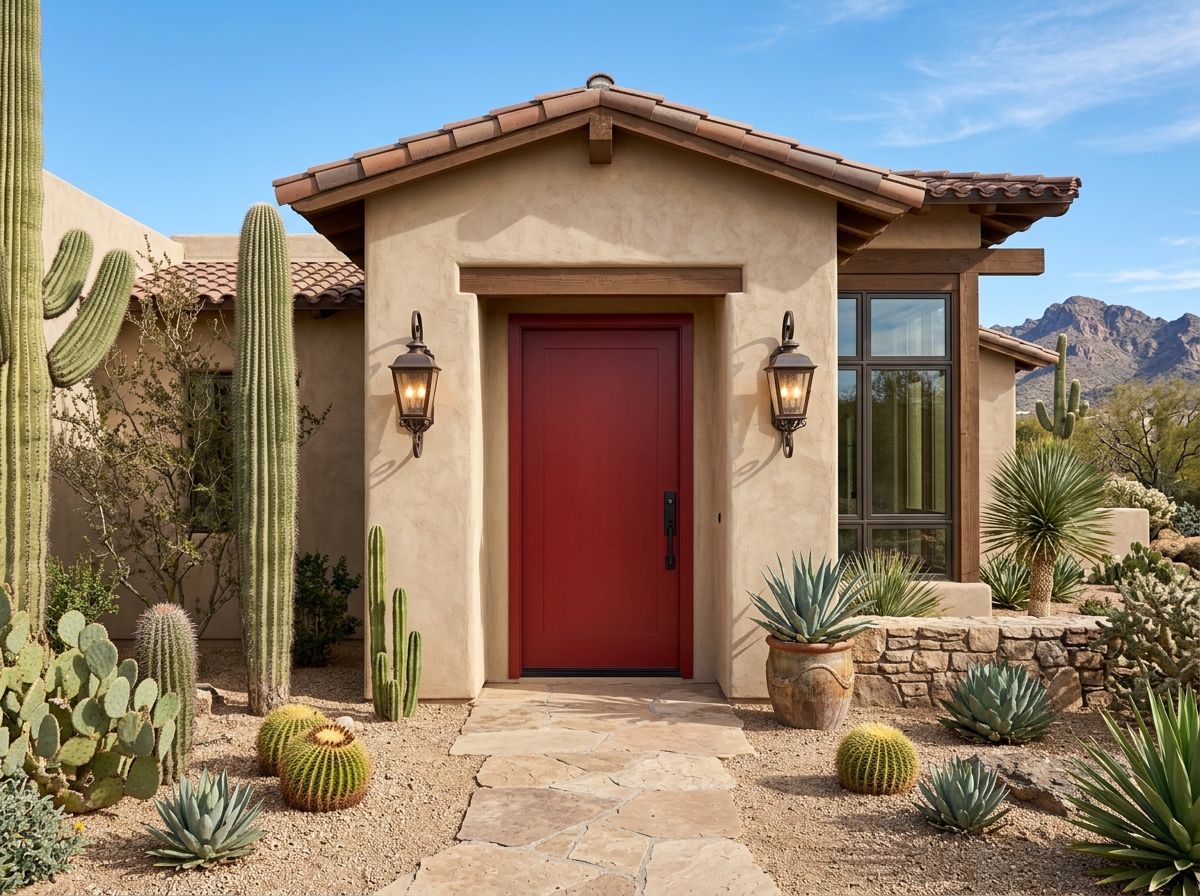 _
When we talk about enhancing our home’s exterior, we’re not just discussing aesthetics; we’re also making strategic investments that can significantly boost curb appeal and, consequently, our home’s value. First impressions are incredibly powerful, and the exterior of our home is its face to the world.
Some upgrades offer a higher return on investment (ROI) than others, making them smart choices for homeowners looking to make an impact without necessarily undertaking a full renovation. Even on a budget, there are numerous ways to elevate our home’s exterior from “blah” to “beautiful.”
For instance, a fresh coat of paint on the front door, new house numbers, updated exterior lighting, and well-maintained plantings can dramatically transform the entryway for under $500. These high-impact budget exterior upgrades focus on the focal points that draw the eye.
Landscaping levels also play a crucial role. By arranging plants of varying heights and textures, we can create visual interest and frame the house effectively. Editing foundation plantings to ensure windows are visible and adding fresh mulch can instantly refresh the look.
Finally, paying attention to hardware cohesion—matching the finishes of our door handles, house numbers, light fixtures, and mailbox—creates a polished and intentional look that speaks volumes about attention to detail. These seemingly small elements collectively contribute to a sophisticated and welcoming exterior.
Here are some high-impact budget exterior upgrades:
- Repaint the front door in a bold, complementary color.
- Update house numbers, mailbox, and light fixtures.
- Pressure wash siding, walkways, and driveways.
- Refresh landscaping with new mulch, pruned shrubs, and potted plants.
- Clean windows and gutters.
- Add decorative window boxes or planters.
The Impact of Front Doors, Lighting, and Hardscapes
These three elements—front doors, lighting, and hardscapes—are fundamental to creating a stunning and inviting home exterior. They are not merely functional components but powerful design tools that define character and enhance livability.
The front door is arguably the most impactful focal point of any home. It sets the tone, offering a glimpse into the style within. Choosing a front door that complements our home’s architecture, whether it’s a midcentury modern, a traditional craftsman, or a rustic farmhouse, is crucial. A bold color choice, such as a deep navy, forest green, or even a warm cognac, can make the door truly pop. Beyond color, the material (wood, steel, fiberglass), hardware (matching finishes with other exterior elements), and glass details (sidelights, transoms) all contribute to its dramatic effect.
Exterior lighting transforms our home after dusk, extending its curb appeal into the night. We advocate for a three-layer lighting strategy:
- Facade wash lighting: Softly illuminates the architectural features of the house.
- Path and entry lighting: Ensures safety and guides visitors to the front door.
- Landscape accent lighting: Highlights key garden features, trees, or sculptures. Using a warm color temperature (2700K-3000K) is essential for residential exteriors to create an inviting glow rather than a harsh, commercial feel. Integrating smart controls allows for automated scheduling and energy efficiency. Elements like gas lanterns add a timeless, elegant touch, casting a warm, flickering light that enhances charm.
Hardscapes provide the structural framework for our outdoor living spaces and guide visitors. Bluestone walkways offer a classic, upscale feel, elevating the entire approach to the home. The rise of permeable pavers is not just about aesthetics but also sustainability, managing stormwater effectively. We can use large-format pavers for a modern, expansive look or traditional patterns like herringbone brick for a classic touch in driveways and courtyards.
Other details like louvered shutters (operational bifold styles are particularly charming) and materials that develop a natural copper patina add layers of character. Copper elements, such as porch roofs or gutters, can be sprayed with water to accelerate their aging process, achieving that desirable verdigris look faster. These thoughtful additions create an exterior that feels rich, detailed, and truly unique.
Planning and Executing Your Exterior Refresh
Embarking on an exterior refresh project can feel daunting, but with a structured approach, it becomes an exciting journey toward realizing your home’s full potential. The key is thorough planning and a clear vision, balanced with practical steps.
One excellent example of a thoughtful exterior transformation is the McGee Home refresh. This project showcased how adding subtle layers and making strategic “design pivots” can elevate a previously minimal new build into a home with timeless character. Instead of a complete overhaul, they focused on details like lime-painting brick for an aged patina, adding decorative vents, and reshaping garden walls—proving that character can be built over time with careful consideration.
Our first practical step is to define our vision. What aesthetic are we aiming for? How do we want our home to feel? We should gather inspiration from various sources, such as the vast collection of photos on Houzz or curated Pinterest boards. This initial phase helps us understand what styles, colors, and materials resonate with us.
Next, we must consider the practicalities. This involves assessing our existing home’s architecture, its surroundings, and the local climate. For instance, in an Arizona climate, materials need to withstand intense UV exposure and extreme temperatures. We need to think about site-specific adaptations that ensure our choices are not only beautiful but also functional and durable for our environment.
Professional consultation is invaluable at this stage. Engaging with architects, designers, or specialized contractors can help translate our vision into a feasible plan. They can provide insights into material performance, structural considerations, and local building codes. Many professionals now utilize 3D modeling and visualization tools that can convert simple smartphone photos into scaled 3D models, allowing us to experiment with colors, materials, and design elements virtually before committing to any changes. This saves time, money, and prevents costly mistakes.
When selecting materials, we should prioritize longevity and low maintenance. Ask ourselves: “Will this still look good 10, 20, or 30 years from now?” Durable options like fiber cement, natural stone, and quality brick are investments that age gracefully. We also need to understand the maintenance schedules associated with our chosen materials to ensure we can commit to their long-term care.
Finally, we develop a phased approach. It’s often wise to start with the “long-term elements” like roofing, siding, and hardscapes, as these form the foundational character of the home. Then, we can layer in “trend-forward choices” in easily updatable areas like front doors, lighting, and landscaping. This strategy ensures a strong, enduring base while allowing for periodic refreshes to keep the home current.
By following these steps, we can plan and execute an exterior refresh project that not only boosts our home’s curb appeal but also provides a significant long-term ROI, making our home a source of pride and enjoyment for years to come.
Honestly, the journey to a perfect home facade is a marathon, not a sprint. You know what? The most successful transformations happen when homeowners prioritize quality materials that age gracefully rather than chasing fleeting fads. If you are ready to protect your investment and elevate your curb appeal, you can reach out to the team at 602-237-2478 or simply Request a Free Quote to start your project today.