

Key Takeaways:
- Selling a home with a mortgage is common, and proceeds typically pay off existing loans.
- Understanding home equity and your current payoff amount is crucial to estimating profits.
- Challenges like negative equity, prepayment penalties, and secondary liens can affect your sale.
- Cautious coordination may be needed if selling and buying at the same time.
Selling your home quickly can bring excitement and stress, especially if you still have a mortgage. Many homeowners in Palm Coast and similar markets face the question: What happens to your outstanding loan when you need to sell fast? If you’re in this situation and seeking a smooth, transparent process, contacting home-buying professionals like quick cash Palm Coast can help clarify your options and streamline your experience.
Navigating a speedy sale often means managing complex steps, including mortgage payoff, escrow balance returns, and dealing with secondary liens. By understanding every milestone, you’ll avoid surprises and make informed decisions.
Understanding Mortgage Payoff During a Sale
When you sell a property with an outstanding mortgage, the first step is to obtain a loan payoff statement from your mortgage lender. This statement gives you the amount needed to settle your remaining loan when the property changes ownership. The payoff amount may be higher than your current principal due to accrued interest, service fees, or late charges.
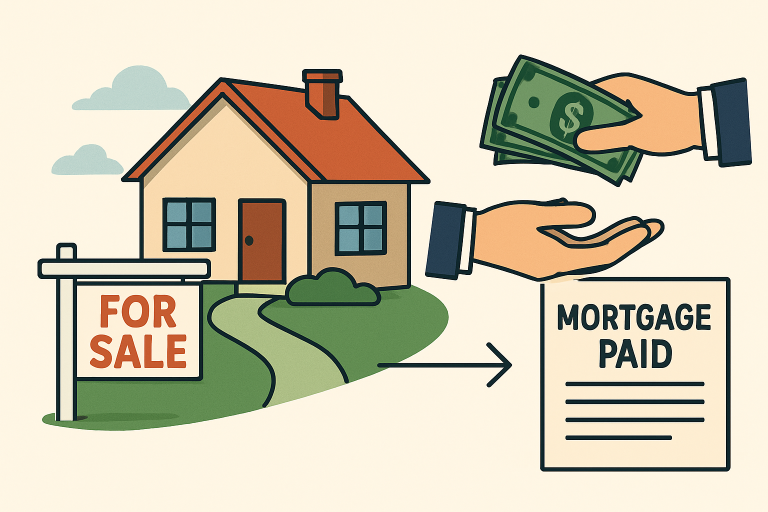
If you’re ready to sell your house today, understanding this process ensures you’re prepared for what happens at closing. At closing, your mortgage is paid in full directly from the home sale proceeds. Any remaining funds are then distributed according to your agreement, typically going to you or toward closing costs. Ensuring your lender is promptly informed about your intent to sell is critical for a smooth transaction.
Calculating Your Home Equity
Home equity is the market value of your home minus the amount you owe on your mortgage. It’s the earning potential from your sale—essentially, what you get after your mortgage and other obligations are satisfied. For example, if your home sells for $350,000 and the remaining mortgage balance is $220,000, your equity is $130,000 before accounting for agent commissions and fees. Equity can be used for a new home down payment, paying off personal debts, or investing in other opportunities.
Addressing Negative Equity
Owing more than your home’s market value is known as negative equity or being “underwater.” In this scenario, typical selling options may not fully cover your mortgage balance. Homeowners might consider:
- Short Sale: Selling the home for less than the mortgage balance—with your lender’s approval. This can negatively affect your credit score.
- Bringing Cash to Closing: Covering the shortfall yourself to complete the sale and transfer the title cleanly.
Both routes have financial and credit score implications, so it’s wise to seek advice from a real estate attorney or financial advisor to decide which is best for your circumstances.
Considering Prepayment Penalties
Some mortgages include prepayment penalties and fees for paying off your mortgage before a set period, usually within the first few years of the loan. These can range from 1% to 5% of your remaining principal, potentially costing thousands.
Carefully review your mortgage documents or speak with your lender to confirm whether such penalties apply. Avoiding surprises can save money and make the selling process much less stressful.
Managing Escrow Accounts
Escrow accounts are often set up with your mortgage servicer when you apply for a mortgage to collect funds for property taxes and homeowners’ insurance. Any surplus left in your escrow account should be refunded after the sale closes and the mortgage is paid off. Each lender’s refund process may differ, so confirm the timing and method with your mortgage provider.
Handling Secondary Loans and Liens
If you have a Home Equity Line of Credit (HELOC), second mortgage, or any municipal or IRS liens, these debts must be satisfied before or at closing. Typically, funds from the sale clear your main mortgage, and secondary loans or liens are paid out of any remaining proceeds.
The title can only transfer to the new owner once all debts tied to the property are paid. Failing to address these obligations can delay the sale or cancel a transaction. For guidance on complicated lien issues, consult a title attorney or experienced real estate agent.
Coordinating the Sale and Purchase of a New Home
Careful planning is crucial if you need to sell before buying your next home. Helpful options include:
- Home Sale Contingency: Make your offer on a new home conditional on selling your current home—this can be difficult in competitive markets.
- Bridge Loan: A short-term loan to help cover down payments and expenses until your old home sells.
- Rent-Back Agreement: Negotiate temporarily renting your home back from the buyer after closing, giving you more time to move.
Discuss these strategies with a licensed real estate agent. The agent can outline the pros and cons and help you coordinate closing dates for both transactions.
Conclusion
Selling your home with an active mortgage requires clarity on your payoff, equity position, and possible penalties or liens. Preparation is key to a successful and stress-free sale when facing negative equity or managing overlapping transactions. Lean on experts for guidance, especially in fast-paced markets, so you can confidently advance to your next chapter.