

Key Takeaways
- Minor repairs and maintenance issues can deter potential buyers.
- Professional photography and online presentation are crucial in today’s digital market.
- Understanding and disclosing property boundaries and legalities can prevent future disputes.
Successfully selling a home involves more than a fresh coat of paint and a “For Sale” sign. Many sellers invest in major renovations or décor upgrades, yet often overlook the subtle yet essential details that significantly impact buyers’ perceptions. By carefully addressing these often-overlooked factors, sellers can increase both their property’s appeal and their chances of a quick, lucrative sale. To further streamline the selling process and avoid common pitfalls, it is beneficial to partner with professionals who are knowledgeable about every aspect of the market, such as https://www.ateambuyshomes.com/. Proactive attention to detail can make a notable difference as buyers sift through countless listings.
When listing your property, understanding buyer psychology is crucial. The smallest flaw or oversight can raise red flags or cause hesitation during showings and online viewings. Sellers should realize that today’s buyers are more informed and discerning than ever, utilizing digital resources to evaluate homes before stepping inside. Addressing these potential setbacks ahead of time helps to present a property in its very best light—both in-person and online.
Minor Repairs and Maintenance
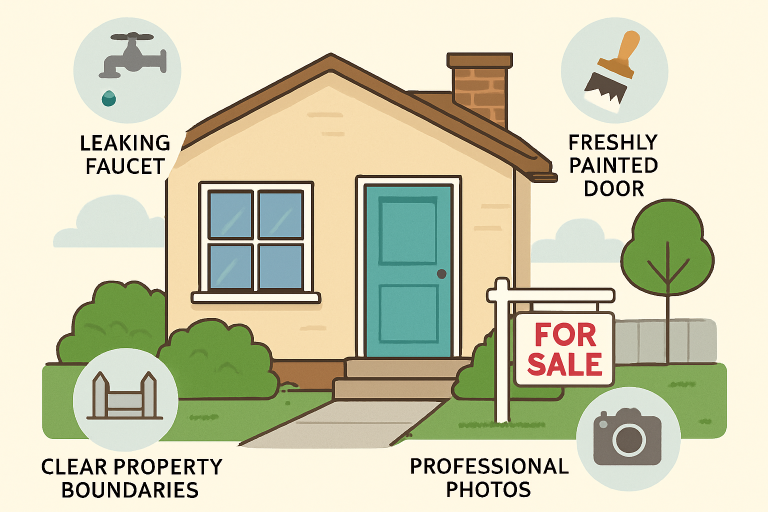
It’s easy to dismiss small home repairs as unimportant, but even a slightly leaky faucet, scuffed walls, or creaking cabinets can imply deeper neglect. Buyers often judge a property not just by its major features but by its perceived level of care. According to the National Association of Realtors, neglecting minor issues can sabotage home sales by giving buyers the impression that more significant hidden problems exist. Scheduling a pre-listing inspection identifies issues early, allowing for repairs that can boost confidence and fetch better offers.
Professional Photography and Online Presentation
More than 90% of buyers begin their search online, and first impressions are often made before a showing is ever requested. Listings with professional photography consistently attract more buyers, sell faster, and often for a higher price. Professional images showcase a home’s features in the best light, and virtual tours can make a property more accessible to buyers from out of town and those in remote areas. As noted by Zillow, homes with high-quality photos sold 32% faster than those with amateur shots, underscoring the importance of visual marketing in today’s market.
Property Boundaries and Legalities
Property boundary confusion is a silent deal-breaker. Disputes over fences, easements, and encroachments can not only derail negotiations but may also result in post-sale legal headaches. Sellers should verify lot lines, check for any encroachments, and disclose easements or restrictions on the property. Bringing in a licensed land surveyor and having paperwork ready for buyers demonstrates transparency and protects both parties from costly misunderstandings. For guidance on resolving boundary issues and preparing your property for a smooth sale, A Team Real Estate Solutions – Chicago, IL offers professional support and resources tailored to your needs.
Curb Appeal
The moment buyers pull up to your home, the exterior sets immediate expectations. Overgrown shrubs, weed-filled flower beds, and weathered front doors can create a negative first impression that persists throughout the tour. Enhancing curb appeal through basic landscaping, pressure washing sidewalks, and maintaining paintwork doesn’t have to be expensive, but it creates a lasting impression of care and pride. As advised by Forbes, small investments in a property’s exterior often yield major returns and competitive advantages in a crowded market.
Pricing Strategy
Getting the listing price right is crucial. Overpricing a home can lead to fewer showings and a prolonged time on the market, while underpricing may result in financial loss for the seller. The best strategy combines a comparative market analysis (CMA) with input from experienced real estate professionals who understand current trends and neighborhood values. Sellers should avoid emotional pricing and instead rely on data-driven approaches that reflect current market realities and buyer expectations.
Disclosure of Known Issues
Being upfront about property defects isn’t just ethical—it’s a legal necessity in most states. Sellers should disclose material issues such as roof damage, plumbing leaks, or foundational concerns. Transparency can build trust with buyers and prevent costly lawsuits after the sale. According to Kiplinger, even selling a home “as is” does not shield the seller from liability for knowingly concealed defects.
Flexibility in Showings
Limiting access for showings can cost sellers valuable exposure. Today’s buyers juggle busy schedules and often want to visit homes during evenings, weekends, or with little notice. The more flexible the seller, the more likely it is that qualified buyers will see their home. A neat, always-ready appearance, combined with a responsive scheduling policy, can directly increase the likelihood of competitive offers and a faster sale.
Final Thoughts
Major home upgrades are valuable, but it’s often the most overlooked details that sway buyer decisions. By addressing routine repairs, investing in professional marketing, clarifying legal boundaries, boosting curb appeal, setting a smart pricing strategy, being transparent about issues, and accommodating showings, sellers can optimize their outcomes in any market. Thoughtful preparation paired with expert guidance makes every step toward closing smoother and more successful for all parties.