
Key Takeaways
- Regular chimney inspections reduce fire risk and increase safety.
- Each season demands specific maintenance strategies for optimal performance.
- Annual professional inspections and cleanings are essential for chimney health.
Maintaining a safe and efficient fireplace requires more than just occasional attention. Regular chimney inspections are crucial for preventing fires and ensuring your home’s safety and comfort. No matter the season, proper chimney care helps avoid preventable hazards. Get the details here and the steps recommended by industry experts.

Each season brings unique challenges that impact the longevity and safety of your chimney system. From winter’s freezing temperatures to summer’s humidity, proactive maintenance can address seasonal risks and keep your home protected year-round. Incorporating annual professional cleanings is key to identifying hidden problems and extending your chimney’s lifespan.
Understanding the Importance of Chimney Maintenance
Your chimney safely vents smoke and gases from your fireplace, but neglecting routine maintenance can turn it into a danger zone. According to the National Fire Protection Association (NFPA), uncleaned chimneys are one of the top sources of home heating fires. Debris, cracks, and creosote deposits increase fire risk and can block the proper ventilation of harmful gases, jeopardizing your family’s health.
Even newer and infrequently used fireplaces can benefit from regular inspections. Weather changes, animal nests, and small fractures in masonry can develop unnoticed and require professional evaluation. Scheduling a chimney check-up is an important part of responsible homeownership, whether you heat with wood, gas, or pellets.
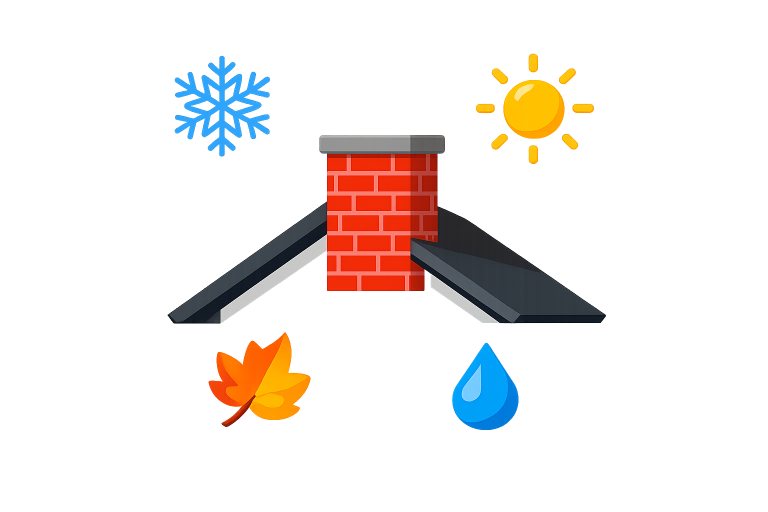
Spring: Post-Winter Inspection and Cleaning
Once winter is over, it is essential to assess how your chimney fared through the months of heavy use. The freeze-thaw cycle of colder climates can lead to masonry cracks or leaks as moisture expands and contracts within the structure. Creosote, a flammable byproduct of wood burning, tends to accumulate during winter. Having your chimney professionally inspected and cleaned in the spring can catch emerging issues and clear out hazardous buildup. The NFPA recommends annual inspections for every home with a fireplace.
Summer: Preventing Moisture Damage
Warm, humid summer air brings its own set of challenges for chimneys, primarily moisture intrusion. Excessive humidity can accelerate mold growth and deteriorate the structural integrity of your chimney. Installing or replacing chimney caps provides a barrier against rain, debris, and nesting animals. Applying a waterproof sealant to the exterior masonry helps defend against long-term water damage. Routine checks for any dampness or musty odors can indicate water infiltration that should be addressed before it leads to major repairs.
For in-depth guidance on moisture prevention and chimney waterproofing, large home improvement resources offer homeowner-friendly tips and best practices.
Autumn: Preparing for Increased Use
As the weather cools, fireplace use rises dramatically. Before lighting that first fire, it is crucial to ensure your chimney is clean and obstruction-free. Unaddressed creosote from previous seasons increases the likelihood of a chimney fire. Fall is the ideal time for a professional chimney sweep to perform a comprehensive cleaning and review for blockages such as leafy debris or animal nests. Making these preparations now can ward off emergencies during winter’s peak demand.
Winter: Monitoring During Peak Usage
Winter is the time when chimneys are put to the test, often running daily to heat your living space. Remain alert for warning signs like smoke entering your home, strange odors coming from the fireplace, or difficulty starting a fire. These may indicate underlying problems such as blockages, excessive creosote, or ventilation issues. A quick response to these symptoms can prevent health hazards and fire risks during the season when fireplaces are used most.
Signs That Your Chimney Needs Attention
Any time of year, keep an eye out for red flags that suggest your chimney requires professional attention:
- Smoke is backing up into your home rather than exhausting through the chimney flue.
- Persistent unpleasant smells from the fireplace area.
- Soot, creosote, or tar-like deposits are visible inside the chimney’s flue or firebox.
- Cracks or noticeable damage to the exterior masonry or flue liner.
Choosing a Professional Chimney Service
Selecting the right chimney professional ensures your system remains safe and sound. Look for contractors certified by organizations such as the Chimney Safety Institute of America (CSIA), which requires ongoing education and adherence to best practices. Reading reviews and asking for credentials is crucial. While DIY cleaning tools are available, they lack the expertise and thoroughness of certified professionals. Yearly inspections and cleanings can prevent costly repairs, extend the life of your chimney, and protect your home.
Conclusion
Year-round chimney maintenance is not just about keeping your fireplace operating efficiently. It is a vital responsibility that protects your family and property. By recognizing the challenges each season brings and taking proactive steps, you can enjoy safe, cozy fires with confidence throughout the year.