

Trying to successfully organize your home can sometimes feel like an impossible task. One room gets cleaned and organized, only for another area to become cluttered before you’ve finished. Kitchen counters collect paperwork, closets overflow with clothes, and living rooms slowly fill with everyday items that don’t quite make it back to where they belong. It’s easy to become discouraged and feel like you’re constantly organizing without ever making lasting progress.
The good news is that learning how to organize your home doesn’t require expensive storage products or an entire weekend devoted to decluttering. The secret is to take a room-by-room approach, create simple systems that fit your family’s lifestyle, and build habits that help you maintain your progress. This home organization checklist will guide you through organizing every major area of your house so you can create a home that feels calmer, more functional, and easier to maintain.
1. Start with a Home Organization Plan
Evaluate Your Home Before You Begin
Before purchasing storage bins or rearranging furniture, take a walk through your home with fresh eyes. Look at each room and identify the areas that consistently become cluttered. These “problem spots” often reveal where your current organization systems aren’t working.
Pay attention to countertops covered with paperwork, overflowing closets, crowded kitchen cabinets, and entryways where shoes and backpacks seem to collect. Instead of feeling frustrated by these spaces, view them as opportunities to improve how your home functions.
Making notes as you walk through your home can help you prioritize which rooms need the most attention. You don’t have to organize your home all at once. In fact, focusing on one room at a time usually produces better long-term results than trying to reorganize the entire house in a single weekend.
Set Realistic Goals
One of the biggest mistakes people make is expecting their home to become perfectly organized overnight. Most homes accumulate clutter gradually over months or even years, so it makes sense that organizing takes time as well.
Rather than aiming for perfection, choose one room or even one section of a room to complete before moving to the next project. Each finished space builds momentum and makes future organizing projects feel more manageable.
Small victories also help you stay motivated. Organizing one bathroom cabinet or one kitchen drawer may not seem significant, but those completed projects eventually add up to an organized home.
Declutter Before You Organize
Organization works best when you’re organizing only the items you actually use and love. If cabinets, closets, and drawers are already overflowing, adding storage containers won’t solve the underlying problem.
As you begin each room, ask yourself a few simple questions:
- Do I use this regularly?
- Would I buy this again today?
- Does this item still serve a purpose?
If the answer is no, consider donating, recycling, or discarding it. The fewer unnecessary items you own, the easier you can organize your home.
Gather Basic Organizing Supplies
You don’t need dozens of expensive organizing products to create an organized home. In fact, purchasing storage before decluttering often leads to wasted money.
Start with simple supplies like baskets, drawer dividers, shelf bins, clear storage containers, and labels. These basic tools can organize most household items while allowing flexibility as your needs change.
Remember that organizing products should support your systems—not become the system themselves. Simple solutions are often the easiest to maintain.
2. Organize High-Traffic Living Areas First
Create an Organized Entryway
Your entryway sets the tone for the rest of your home. It’s also one of the easiest places for clutter to accumulate as family members come and go throughout the day.
Create designated places for shoes, jackets, backpacks, keys, purses, and mail. Hooks, shoe racks, baskets, and small benches with storage can make this area much more functional.
When everything has an assigned location near the door, family members are more likely to put items away instead of carrying clutter throughout the house.
Simplify the Living Room
Living rooms often serve multiple purposes, including relaxing, entertaining, reading, watching television, and spending time with family. Because of this, they can quickly become filled with blankets, toys, electronics, magazines, and miscellaneous items.
Begin by removing anything that belongs in another room. Then group similar items so they have designated storage areas.
Remote controls can be stored in a decorative tray. Blankets can be folded into a basket. Books can be placed on shelves instead of stacked on tables.
Reduce Visual Clutter
An organized room isn’t necessarily one with less furniture—it’s often one with fewer unnecessary items displayed on every surface.
Coffee tables, side tables, and entertainment centers should have enough decorative touches to feel inviting without becoming crowded.
Try leaving some open space on shelves and tables. An empty space allows decorative items to stand out while making the room feel larger and calmer.
Build Daily Reset Habits
Even the best organizing systems require a little daily maintenance. Spend five to ten minutes each evening returning blankets, books, toys, and electronics to their designated places.
These quick resets prevent clutter from building throughout the week and make your regular cleaning routine much easier.
An organized living room isn’t created by occasional marathon organizing sessions. It’s maintained through small daily habits that take only a few minutes.
3. Organize the Kitchen for Everyday Efficiency
Clear and Simplify Countertops
Kitchen counters often become catch-all spaces for appliances, paperwork, grocery bags, mail, and random household items.
Start by removing everything that doesn’t belong. Only keep appliances you use frequently on the countertop. Everything else should be stored in cabinets or the pantry.
Clear countertops instantly make the kitchen feel larger, cleaner, and easier to work in.
Organize Cabinets by Activity
Rather than storing kitchen items wherever there’s available space, group them according to how you use them.
Keep baking supplies together, cooking utensils near the stove, dishes close to the dishwasher, and food storage containers in one cabinet.
Organizing by activity reduces unnecessary movement around the kitchen and makes meal preparation much more efficient.
Create a Functional Pantry
A well-organized pantry saves time during meal planning and grocery shopping.
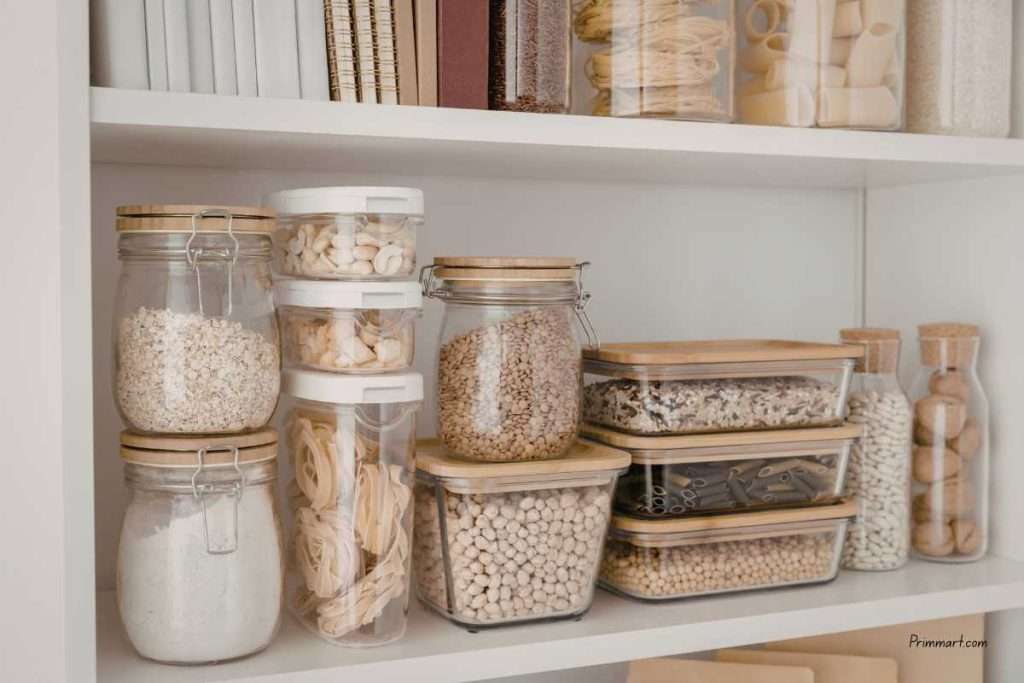
Group similar foods together, such as canned goods, baking ingredients, pasta, snacks, breakfast foods, and spices. Use clear containers where appropriate to make ingredients easy to identify.
Periodically check expiration dates and remove food your family no longer eats. A pantry filled with current, useful items is much easier to maintain.
Simplify Drawers
Kitchen drawers tend to become cluttered with duplicate utensils, takeout menus, batteries, rubber bands, and miscellaneous gadgets.
Remove everything from one drawer at a time and sort through the contents. Keep only tools you actually use regularly.
Drawer organizers can help separate utensils, measuring spoons, and cooking tools so everything stays in place.
Develop Simple Maintenance Habits
The easiest kitchens to organize are usually the ones that are maintained consistently.
Unload the dishwasher promptly, wipe counters after meals, return ingredients to the pantry immediately, and spend a few minutes each evening resetting the kitchen.
These habits prevent clutter from accumulating and keep your organizing systems working well.
4. Organize Bedrooms, Closets, and Bathrooms
Create a Peaceful Bedroom Environment
Your bedroom should be one of the most relaxing rooms in your home, but it’s often where clutter quietly accumulates. Clothing piles on chairs, books collect on nightstands, and miscellaneous items seem to appear without notice. An organized bedroom not only looks better but can also help you feel more relaxed at the end of a busy day.
Begin by clearing everything that doesn’t belong in the room. Dishes, paperwork, children’s toys, and household items should be returned to their proper locations. Removing these distractions immediately creates a calmer atmosphere.
Next, focus on the surfaces that are most visible. Nightstands, dressers, and bedside tables should contain only the items you use regularly. A lamp, clock, book, or framed photo may be all you need. Limiting decorative items makes dusting easier and helps the room feel less crowded.
Finally, make your bed every morning. This one simple habit instantly makes the room appear cleaner and encourages you to maintain the rest of the space throughout the day. Simple habits like this set you up for easier success to organize your home.
Organize Your Closet for Daily Convenience
Closets are often one of the most overwhelming areas to organize because they tend to become storage spaces for far more than clothing. Shoes, handbags, seasonal decorations, extra blankets, and boxes often compete for valuable storage space.
Start by removing everything from one section of the closet at a time. Sort clothing into categories such as shirts, pants, dresses, jackets, and seasonal items. As you work, remove clothing that no longer fits, is damaged beyond repair, or hasn’t been worn in a long time.
Arrange clothing by category and, if helpful, by color. While organizing by color isn’t required, it can make getting dressed easier and create a more visually organized closet.
Store off-season clothing in labeled bins or vacuum storage bags if closet space is limited. This leaves more room for the items you wear most often and reduces overcrowding.
Shoes should also have a designated storage system. Shoe racks, stackable shelves, or clear containers can keep footwear organized while making it easier to find what you need.
Simplify Dressers and Bedroom Storage
Dressers often become cluttered because drawers are overfilled or items don’t have designated spaces. Instead of stuffing clothing into every available drawer, assign each drawer a specific purpose.
One drawer may hold T-shirts, another pajamas, another workout clothing, and another undergarments. Keeping similar items together makes it easier to find what you’re looking for and simplifies putting away laundry.
The top of your dresser should also remain relatively uncluttered. Too many decorative items or miscellaneous belongings can quickly make the room feel disorganized.
Consider using small trays or decorative containers for jewelry, watches, or frequently used accessories. These simple solutions keep everyday items organized without creating visual clutter.
Organize Bathrooms for Easy Maintenance
Bathrooms are among the most frequently used rooms in the home, which means they also require efficient organization. Fortunately, most bathrooms become much easier to maintain once unnecessary items are removed.
Begin by emptying cabinets and drawers. Dispose of expired medications (following your local disposal guidelines), old cosmetics, empty containers, and products you no longer use.
Next, group similar items together. Store first aid supplies in one container, hair products in another, skincare items together, and cleaning products separately. Clear bins or drawer organizers make these categories easy to maintain.
Reserve your countertops for the products you use daily. Everything else can be stored inside cabinets or drawers. Clear countertops not only make bathrooms appear cleaner but also make wiping surfaces much faster during your regular cleaning routine.
Don’t forget the linen closet if you have one. Fold towels neatly, donate worn linens, and organize toiletries by category so everything is easy to find when needed.
5. Maintain Your Organized Home Long-Term
Develop Daily Organization Habits
Organizing your home is only half the process. Maintaining those organized spaces is what creates lasting results. Fortunately, maintaining organization requires much less effort than starting over from scratch.
One of the simplest habits you can develop is putting items away immediately after using them. Instead of leaving shoes by the couch or mail on the kitchen counter, return them directly to their designated locations.
This habit may only save a few seconds at the moment, but it prevents clutter from gradually taking over your home.
Another helpful routine is spending five to ten minutes each evening doing a quick household reset. Straighten blankets, return dishes to the kitchen, clear countertops, and put away anything that has accumulated throughout the day.
These short daily sessions help your home remain organized with very little effort.
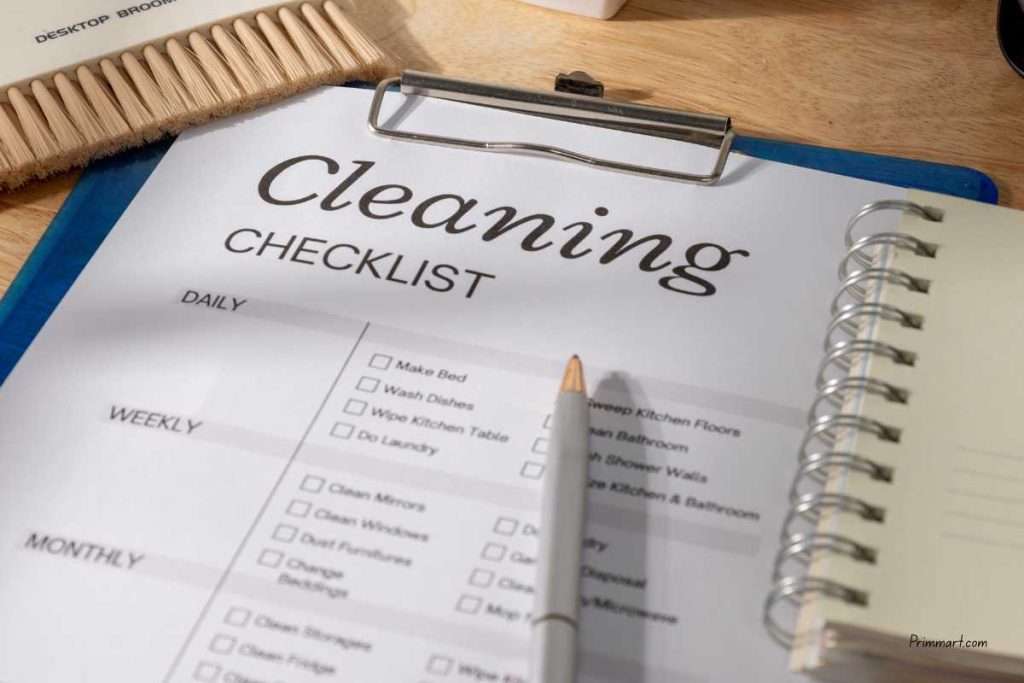
Follow a Weekly Organization Checklist
While daily habits keep clutter under control, a weekly organization routine allows you to address areas that naturally need regular attention.
Your weekly checklist might include:
- Return misplaced items to their proper rooms.
- Sort incoming mail and paperwork.
- Empty household trash bins.
- Straighten pantry shelves.
- Organize refrigerator contents.
- Fold and put away laundry.
- Wipe down storage baskets and shelves.
- Restock household supplies.
Completing these small tasks weekly prevents larger organizing projects from becoming necessary later.
Instead of waiting until clutter becomes overwhelming, you’re continually maintaining the systems you’ve already created.
Review One Small Area Each Month
Even organized homes need occasional maintenance. Rather than waiting for entire closets or cabinets to become overcrowded again, choose one small area each month to review.
One month you might reorganize the junk drawer. The next month you might tidy the pantry or linen closet. Later you might declutter under the bathroom sink or organize holiday decorations.
These small monthly projects usually take less than an hour, yet they prevent your home from slowly returning to its previous state.
Think of them as tune-ups that keep your organization systems working efficiently year after year.
Avoid Bringing Unnecessary Clutter Home
One of the easiest ways to stay organized is to reduce the amount of new clutter entering your home.
Before making a purchase, ask yourself a few questions:
- Do I truly need this?
- Where will I store it?
- Do I already own something similar?
- Will this make my life easier or simply add more to maintain?
Being intentional about purchases helps prevent closets, cabinets, and storage spaces from becoming overcrowded.
You can also practice the “one in, one out” rule. Whenever you bring a new clothing item, kitchen gadget, or decorative accessory into your home, consider donating or discarding a similar item you no longer use.
This simple habit helps maintain balance while preventing unnecessary accumulation.
Remember That Organization Is an Ongoing Process
Even the most organized homes require regular attention. Life changes, children grow, hobbies evolve, and household needs shift over time.
Instead of viewing organization as a one-time project, think of it as an ongoing process of adjusting your home to better support your current lifestyle.
Some seasons of life will naturally be messier than others, and that’s perfectly normal. The goal isn’t perfection—it’s creating simple systems that make your home easier to live in every day.
When you focus on progress instead of perfection, maintaining an organized home becomes far less stressful and much more enjoyable.
Frequently Asked Questions
Where should I start organizing my house?
Start with one small area that you use every day, such as your kitchen countertops, entryway, or bathroom vanity. Completing a small project first builds confidence and creates momentum for larger organizing tasks. Avoid trying to organize your entire house at once, as this often leads to frustration and unfinished projects.
How long does it take to organize an entire home?
The timeline depends on the size of your home and how much clutter has accumulated. Many homeowners see noticeable improvements within a few weekends by working room by room. Consistent daily and weekly organizing habits will help you continue making progress without feeling overwhelmed.
Should I declutter before organizing?
Yes. Decluttering should always come before organizing. Removing items you no longer need makes it much easier to create storage systems that actually work. Organizing unnecessary belongings simply creates more work and uses valuable storage space.
What is the easiest room to organize first?
Many people find success starting with the bathroom, pantry, or entryway because these spaces are relatively small and can often be completed in a few hours. Seeing a finished room motivates to continue organizing the rest of the house.
How do I keep my home organized after I finish?
Daily habits are the key to long-term success. Return items to their designated places, complete quick evening resets, and follow a simple weekly organization checklist. Small, consistent efforts prevent clutter from building back up.
Do I need expensive storage products?
No. Most homes can be organized using inexpensive baskets, bins, drawer dividers, and storage containers. In many cases, decluttering alone creates enough additional space that very few organizing products are needed.
Conclusion
Learning how to organize your home isn’t about creating picture-perfect rooms that never get used. It’s about designing practical systems that make everyday life easier for you and your family. By taking a room-by-room organization approach, decluttering before organizing, and giving every item a designated home, you’ll create spaces that are easier to clean, easier to maintain, and much more enjoyable to live in.
Remember that organization is a journey rather than a destination. Your needs will change over time, and your organizing systems should evolve with them. Focus on building simple daily habits, maintaining your home one room at a time, and celebrating the progress you make along the way. Before long, you’ll discover that keeping your home organized requires far less effort because your systems are working with your lifestyle instead of against it.